



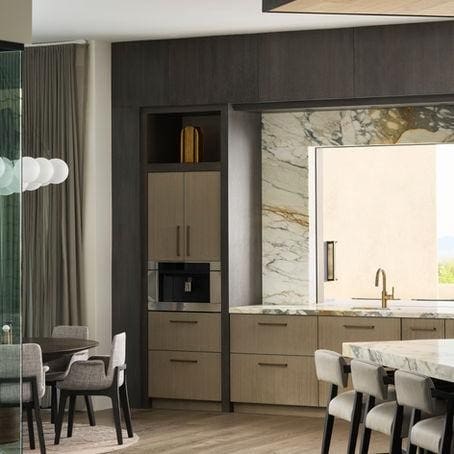
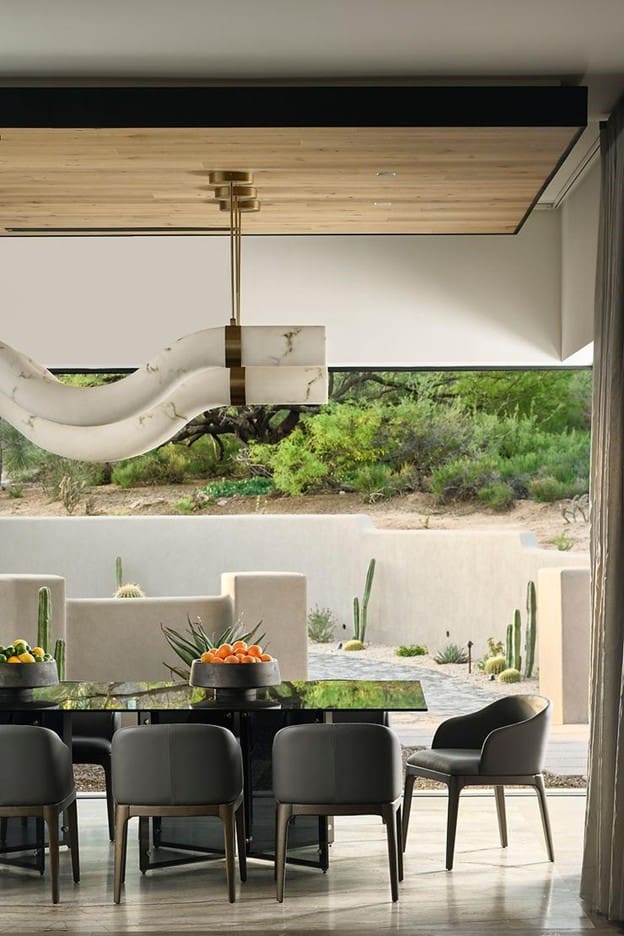
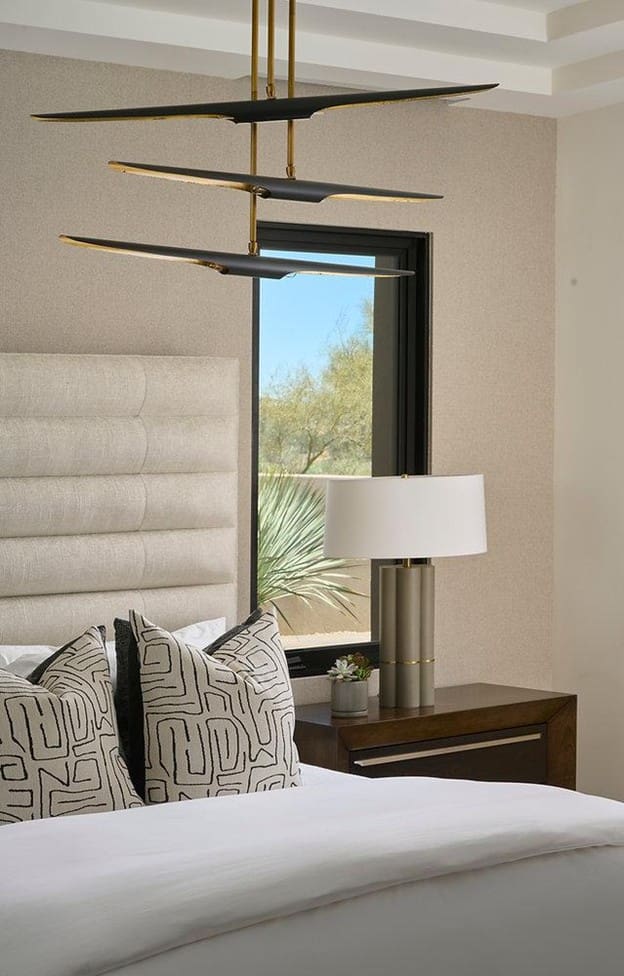
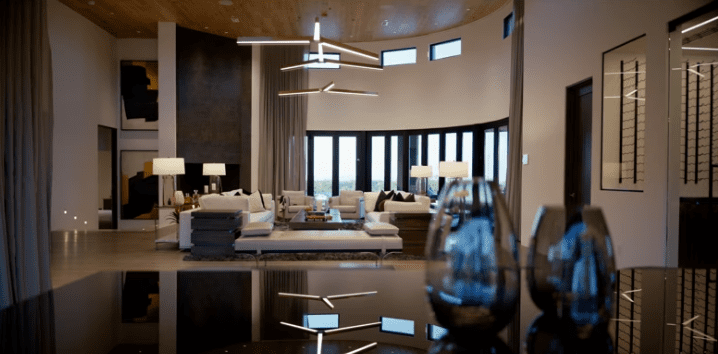
In the elite enclaves of Scottsdale, where luxury homes command panoramic desert vistas and embody architectural mastery, home plaster design emerges as the unsung architect of enduring elegance. Far beyond conventional wall treatments, this craft channels the raw poetry of ancient techniques into contemporary splendor, transforming mere surfaces into tactile symphonies of light, texture, and depth. For discerning homeowners and design professionals, plaster is not an afterthought; it is the foundational narrative that elevates a residence from opulent to iconic.
This in-depth analysis dissects the nuances of home plaster design tailored to Scottsdale’s luxury market. We explore advanced applications, from the luminous sheen of Venetian and Tadelakt plasters to innovative integrations with sustainable materials and smart home systems. Readers will gain insights into bespoke finishes that withstand the region’s arid climate, harmonize with mid-century modern and Southwestern motifs, and amplify interior luminosity. Expect rigorous examinations of material science, artisan methodologies, and real-world case studies from Scottsdale’s premier estates. Whether you seek to retrofit an existing property or blueprint a legacy build, this guide equips you with the authoritative knowledge to master plaster’s transformative power.
Overview of Home Plaster Design
Home plaster design encompasses hand-applied textured finishes derived from natural materials such as slaked lime, marble dust, and mineral pigments. These include Venetian plaster, with its burnished, iridescent layers mimicking marble; lime plaster variants like Marmorino for subtle mineral depth; Tadelakt, a polished Moroccan lime sealed for waterproofing; and minimalist options such as Roman clay or unburnished finishes that deliver suede-like tactility. Applied in multiple thin coats by skilled artisans at $8-15 per square foot, these surfaces introduce dimensional depth and materiality to walls, ceilings, fireplaces, range hoods, and accents, evolving with light shifts for a living quality unmatched by paint. The global Venetian plaster market, valued at $1.2 billion in 2024, is projected to reach $2.3 billion by 2033, reflecting surging demand in luxury residential sectors (Venetian plaster trend guide).
In Scottsdale and Paradise Valley projects, these finishes integrate seamlessly with clean architectural lines, natural stone, and wood elements prevalent in Desert Contemporary homes. Sand-toned plasters enhance indoor-outdoor flows toward Sonoran landscapes, while breathable properties regulate arid humidity for long-term durability. JSF Design specifies these through detailed construction drawings, ensuring builders execute precise trowel marks and tonal variations that amplify spatial volume without overwhelming minimal forms.
The shift from flat paints to plasters marks a pursuit of tactile sophistication in modern builds and remodels. Designers now prioritize “texture over color,” as flat surfaces appear outdated amid 2026’s textured revival, with lime and Venetian plasters leading faux finishes due to their acoustic softness and low-VOC sustainability (Lime plaster and Venetian plaster 2026).
In Arizona desert environments, plasters balance minimalism’s austerity with organic warmth, their light-diffusing qualities softening intense sunlight. Earthy neutrals pair with stucco exteriors and oak millwork, fostering climate-responsive cohesion in spec homes at Desert Mountain. This approach, documented meticulously at JSF Design, aligns material choices with architectural intent, budgets exceeding traditional finishes, and timelines demanding skilled applicators for flawless execution (Venetian plaster vs. Tadelakt comparison).
Market Trends and Growth in 2026
The Venetian plaster segment within home plaster design exemplifies this momentum, with the global market valued at $1.2 billion in 2024 and projected to reach $2.3 billion by 2033. This expansion, driven by surging demand for premium residential finishes that impart marble-like depth and artisanal tactility, underscores a pivot toward durable, light-responsive surfaces in luxury builds. Residential applications, comprising over 40 percent of revenues, favor these materials for feature walls, fireplaces, and ceiling treatments, where layered burnishing techniques yield subtle movement and longevity surpassing traditional paints. In the Phoenix market, this aligns with spec home developers specifying warm, sand-toned variants to harmonize with desert stone palettes and expansive glass walls. For precise execution, firms like JSF Design produce detailed specification books that guide applicators through multi-stage application processes, mitigating on-site variances. Venetian plaster coatings market analysis
Interior Design Sector Growth and Decorative Plasters’ Dominance
The broader interior design sector reinforces this trajectory, forecasted to attain $222.2 billion globally by 2032 at a 5.45 percent CAGR. Within faux finish coatings, decorative plasters command leading market share due to upscale adoption in high-end residences, outpacing paints with superior acoustic softening and eco-friendly lime bases. North America holds over 33 percent of this segment, fueled by urbanization and preferences for low-VOC, customizable textures in custom homes. Phoenix-area projects exemplify this, integrating gypsum plasters for smooth, fire-rated ceilings alongside tadelakt for seamless, waterproof wet areas.
Surge in Skilled Applicators Demand Signals 2026 Strength
A booming need for skilled applicators highlights robust 2026 performance, particularly for gypsum’s versatile smoothness and tadelakt’s polished, water-resistant sheen in Phoenix spec homes. Arizona’s construction workforce shortage, projected at 195,000 by late 2026, intensifies competition for trades proficient in hand-troweling and burnishing. Developers must secure these experts early, often through architect-designer-builder collaborations documented via precise drawings to ensure material integrity during extended timelines.
Strategic Implications for Paradise Valley Developers
For Paradise Valley developers, these trends demand proactive integration of home plaster designs to deliver market-ready, differentiated interiors that command premiums in multimillion-dollar sales. Sandstone-hued plasters enhance biophilic flow, pairing with oak millwork and courtyards for timeless appeal, while boosting resale through proven durability. Actionable steps include early applicator contracting and partnering with documentation-driven firms like JSF Design to align finishes with architectural intent, minimizing change orders and maximizing ROI amid labor constraints. This structured approach transforms plaster from accent to foundational element, elevating property value in competitive Desert Mountain and Scottsdale markets. Interior design trends for 2026
Primary Plaster Types for Residential Applications
Venetian Plaster
Venetian plaster consists of slaked lime combined with finely ground marble dust, applied in multiple thin layers and burnished to a stone-like polish. This process yields a subtle sheen that diffuses light evenly, creating depth and warmth in living rooms and entryways where natural illumination varies throughout the day. Its durability stems from carbonation, forming a hard, breathable surface resistant to cracking, fading, and moisture, with lifespans exceeding 50 years on stable substrates. In Scottsdale new builds, JSF Design specifies it for high-traffic zones, coordinating with architects to integrate it over drywall or cement board, ensuring precise execution via detailed shop drawings. Application costs range from $8 to $15 per square foot, including skilled labor over 3 to 5 days per room; builders report fewer callbacks due to its low-VOC composition and repairability with matching slurry. For optimal results, select variants like Tintoretto for matte finishes in Paradise Valley homes, enhancing spatial perception without overwhelming modern cabinetry. Venetian plaster FAQs
Lime Plaster
Lime plaster, formulated from hydraulic or non-hydraulic lime, aggregate sand, and natural fibers, prioritizes breathability to manage humidity in Arizona’s climate. Its soft matte finish absorbs sound waves effectively, reducing echo in open-plan great rooms common to Desert Mountain residences. Eco-friendly attributes include carbon reabsorption during curing and antimicrobial properties, aligning with sustainable specifications for affluent clients. JSF Design documents three-coat applications, scratch through skim, spanning 20 days for monolithic adhesion, collaborating with plasterers to test aggregates for color consistency. The global market reached USD 1.87 billion in 2026, with residential use at 46.7 percent share and a 4.9 percent CAGR projected to 2033. Lime plaster market report Durability matches historic structures, with insulating variants achieving U-values of 0.3 to 0.8 W/m²·K, cutting long-term energy costs in Phoenix remodels.
Tadelakt
Tadelakt, a Moroccan lime plaster polished and sealed with olive oil soap, achieves waterproofing through crystallization while remaining vapor-permeable. This suits spa bathrooms and range hoods exposed to steam during Arizona monsoons, preventing mold without synthetic membranes. JSF Design details base coats over cement backer board, followed by on-site burnishing, timeline 4 to 7 days per wet zone with builder input for substrate flatness. Its seamless application resists stains and supports integral sinks, elevating luxury utility spaces in Paradise Valley estates. Centuries-proven in hammams, it demands certified applicators to avoid delamination, with costs at $12 to $20 per square foot reflecting precision labor.
Fluted and Minimalist Plasters
Fluted plasters introduce linear grooves via hand-troweled lime or micro-cement, casting shadows for dimension on feature walls like fireplaces in Scottsdale spec homes. Minimalist subtypes maintain flat planes with subtle undulations, preserving clean lines amid oak millwork and stone floors. JSF Design’s specifications include CAD mockups for groove depth (typically 1/4 to 1/2 inch), ensuring alignment with architectural reveals during framing. These finishes demand professional installation over primed drywall, 2 to 4 days per wall, with neutral sand tones amplifying desert indoor-outdoor transitions. Pairing with acoustic underlays enhances performance in media rooms, offering tactile interest that outperforms paint in market valuation for high-end listings. The decorative plaster sector projects USD 20.1 billion in 2026, underscoring demand. Drywall and building plasters market
Applications in Scottsdale and Paradise Valley Homes
In Scottsdale and Paradise Valley homes, home plaster design manifests through sand-toned, hand-applied finishes that integrate with the Sonoran Desert’s materiality, enhancing architectural depth in estates valued at median sales prices of $5.2 million as of late 2025 Paradise Valley Luxury Report. These applications demand precise coordination among designers, architects, and builders to align with 12- to 14-month construction timelines, where detailed specification books minimize field ambiguities and control costs for projects exceeding $3 million. Lime-based plasters, prized for their thermal mass and low-maintenance durability, outperform paint in Arizona’s climate, diffusing light while pairing with local stone and millwork for enduring value.
Sand-Toned Plasters Complementing Desert Stone and Oak Millwork for Indoor-Outdoor Flow
Sand-toned plasters, applied in rake or minimalist textures, mirror desert stone like honed limestone and integrate with wide-plank oak millwork in Paradise Valley estates. This combination fosters seamless indoor-outdoor transitions via expansive glass walls up to 30 feet, regulating temperature in courtyards optimized for year-round use. Builders report 20-40% cost premiums for artisan labor, offset by enhanced resale in communities like Silverleaf. JSF Design’s construction drawings ensure millwork joints align flawlessly with plaster edges, preserving monochromatic continuity.
Ceiling-to-Floor Installations in Moody Living Rooms
Ceiling-to-floor Venetian or limewash plasters elevate moody living rooms with 14- to 18-foot vaults, amplifying volume through subtle light reflection from clerestory windows. These treatments soften open layouts, concealing imperfections while adding acoustic benefits for large gatherings. In remodels, they pair with retractable glazing to frame mountain views, requiring on-site collaboration to match textures across surfaces. Durability data shows these finishes retain integrity over decades, justifying investment in spec homes.
Plaster on Fireplaces and Accents as Focal Points in Spec Homes
Plaster-wrapped fireplaces and accents anchor spec homes for Phoenix’s $3 million-plus buyers, using hand-troweled finishes on linear or asymmetrical units extending to ceilings. This creates vertical drama in Modern Ranch great rooms, boosting market appeal where listings average 71 days on market Paradise Valley Listing Trends. Custom detailing elevates focal points, with firms like JSF Design specifying integrations for precise builder execution.
Local Trends Pairing Plasters with Custom Lighting and Cabinetry
Scottsdale remodels layer plasters with FSC-certified oak cabinetry and circadian lighting, zoning multi-functional spaces in 16- to 20-month projects. Earth-toned finishes unify matte hardware and integrated tech, aligning with buyer demands for sustainability. This cohesive approach, documented rigorously, delivers market-ready interiors that sustain $6.9 million average sales Valley Luxury Sales.
Performance and Durability Advantages
In multi-million-dollar residences throughout Scottsdale and Paradise Valley, home plaster design delivers unmatched longevity, with installations enduring 50 to 75 years or more, far surpassing paint’s typical 5- to 10-year cycle or drywall’s 20- to 30-year span. This superior performance stems from plaster’s dense, multi-layered composition, which flexes with structural movements and resists impacts, chips, and scuffs in high-traffic areas such as hallways, stairwells, and family gathering spaces. Contractors with decades of experience report 1970s applications still performing flawlessly, minimizing disruptions and preserving architectural integrity in demanding environments with children or pets. For spec home developers, this translates to higher long-term ROI and enhanced market appeal, as plaster develops a subtle patina that signals refined craftsmanship. JSF Design’s detailed specification books ensure precise execution, aligning material tolerances with builder capabilities from the outset. See detailed comparisons in expert contractor insights on plaster longevity.
Lime-based formulas further elevate home plaster design through eco-friendly attributes, emitting zero VOCs and achieving carbon neutrality via CO₂ absorption during curing. In arid climates like the greater Phoenix area, their vapor-permeable structure buffers indoor humidity fluctuations by 5 to 15 percent, reducing mean radiant temperatures by 1 to 5°C for passive cooling that cuts energy use by 25 to 30 percent. This breathability prevents mold growth below 60 percent relative humidity, supporting healthier indoor environments without nonporous barriers.
Acoustic softening from plaster’s thickness, up to 7/8 inch, reduces inter-room noise transmission by 30 to 40 percent over standard drywall, with specialized variants achieving Noise Reduction Coefficients of 0.80 to 1.00. Subtle light diffusion from textured surfaces, such as burnished Venetian or matte limewash, enhances spatial livability in open-plan estates, creating depth without visual distraction.
Low-maintenance protocols involve simple microfiber cleaning with pH-neutral solutions, while repairability allows seamless patching that blends invisibly, slashing lifetime costs versus recurring paint applications. For affluent homeowners and builders, upfront investments of $8 to $25 per square foot yield decades of savings, ensuring timeless performance in luxury projects.
Design and Construction Integration Strategies
Specification Process
The specification process for home plaster design begins with comprehensive architectural drawings that delineate plaster extents, substrate preparations, layer thicknesses, and accessory placements. Finish schedules, presented as centralized tables, assign unique codes such as PT-1 for Venetian plaster variants, specifying exact materials, approved vendors, and application protocols like smooth troweling over 1/2-inch gypsum base. Material schedules further detail substrates including diamond mesh metal lath at 3.4 pounds per square yard or cement board, basecoats with mill-aggregated coverage rates of 3250 to 4250 square feet per ton, and finishes such as lime-gauged or burnished Venetian layers. This precision minimizes on-site deviations, ensuring builders execute with fidelity. JSF Design employs this documentation-driven methodology to produce specification books that link schedules directly to plans, sections, and elevations, fostering unambiguous communication.
Collaboration with Architects and Trades
Integration demands rigorous collaboration among designers, architects, structural engineers, and trades, achieved through shared documentation like BIM models and request-for-information logs. Architects align plaster applications with framing at 16- to 24-inch centers, door jambs, and HVAC penetrations, while engineers verify load-bearing compatibility on masonry walls via furring strips. Early workshops address control joints every 30 feet and sound-sealing perimeters for STC 62 ratings. In Paradise Valley projects, this process harmonizes interior plasters with stucco exteriors and stone trims, enhancing indoor-outdoor transitions resilient to desert conditions. JSF Design facilitates these sessions, positioning itself as the central coordinator for seamless execution.
Application Timelines
Plaster application unfolds in 2- to 5-day cycles per area: scratch or basecoat on day one, brown coat on days two to three, and finish troweling on days four to five, followed by curing periods of 2 to 5 days or up to 4 weeks for lime-based systems. Controlled environments maintaining temperatures above 55 degrees Fahrenheit and low humidity, often via air conditioning and ventilation, prevent cracking in Paradise Valley’s arid climate. Steel-trowel stucco finishes require precise 7-day intervals between coats per local codes. Full-room timelines integrate into broader framing phases spanning 2 to 4 months.
Budgeting and Return on Investment
High-end home plaster installations range from $15 to $40 per square foot, scaling with complexity: $15 to $30 for labor-intensive Venetian or tadelakt, and up to 20 percent more for ceilings or textured profiles. A 200-square-foot accent wall might total $3,000 to $6,000. These investments yield 10- to 20-percent property value increases in Scottsdale and Paradise Valley markets, where average builds exceed $130 per square foot, recouping 60 to 96 percent via enhanced durability and appeal. JSF Design’s detailed budgeting within specifications optimizes costs while maximizing long-term asset value.
Actionable Takeaways for High-End Projects
For high-end residential projects in Scottsdale and Paradise Valley, initiate site mockups at the schematic design phase to evaluate plaster tones under site-specific natural light and alongside adjacent materials such as rift-sawn oak or desert stone. These full-scale prototypes, typically 4×4 feet, reveal subtle color shifts from Arizona’s high UV exposure, averting adjustments that could extend timelines by weeks and inflate budgets by 15-20 percent.
Engage applicators proficient in JSF Design’s documentation-driven methodology, where precise specification books and layered construction drawings facilitate unambiguous trade coordination. Align plaster selections with project scale: deploy Venetian plaster, with its marble dust composition, for focal elements like range hoods or entry niches; opt for lime-based plasters across expansive walls to leverage their breathability and broad coverage without overwhelming spatial volume.
Partner with firms like JSF Design Inc. to manage full specification, material procurement, and on-site oversight, ensuring execution aligns with architectural intent. Track 2026 market reports forecasting textured plaster growth amid a $2.3 billion Venetian segment by 2033, prioritizing timeless, durable finishes that enhance long-term property value.
Conclusion
In Scottsdale’s luxury homes, home plaster design stands as a transformative force, blending ancient artistry with modern innovation to create timeless elegance. Key takeaways include the superior durability of Venetian and Tadelakt plasters against arid climates; seamless harmony with mid-century modern and Southwestern aesthetics; sustainable integrations that enhance smart home functionality; and bespoke finishes that turn walls into captivating focal points.
This guide equips discerning homeowners and designers with the knowledge to select plasters that elevate residences to iconic status. Embrace the tactile poetry of plaster today. Consult a Scottsdale specialist for a custom consultation, and witness how these surfaces can redefine your living spaces with enduring sophistication and style. Your dream home awaits its finishing touch.


BEST THE EDIT
of
Santa Fe, NM — JSF Design, the nationally recognized interior design studio led by Principal Designer Jeffrey Florentine, received top honors at the 2024 Interior Design Society National Awards Gala in Santa Fe. The firm was awarded Best Home Under 3,000 Sq. Ft. for its project Bungalow, located in the heart of McCormick Ranch, Scottsdale, […]

Elevate Your Space
Let’s Bring Your Vision to Life
Design Goes Beyond Aesthetics...
It Shapes Experience.

+ Show / Hide Comments
Share to: