


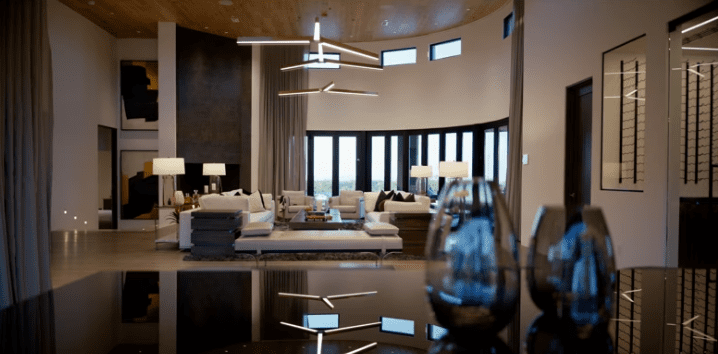
In the heart of Scottsdale’s sun-drenched luxury enclaves, where opulent residences rise like architectural statements against the Sonoran Desert backdrop, one element commands immediate reverence: the modern staircase. Far beyond mere functionality, it serves as the sculptural spine of contemporary design, dictating flow, light, and grandeur in homes that redefine elite living.
This analysis delves into how modern staircases have become the defining signature of Scottsdale’s premier properties. We examine cutting-edge configurations, from cantilevered glass treads that defy gravity to sleek metal helices that spiral with minimalist precision. Precision engineering meets bespoke artistry in materials like polished concrete, charred oak, and hand-forged steel, each chosen to harmonize with the region’s modernist ethos.
Readers will gain insights into the strategic integration of these features, their impact on spatial dynamics, and their role in elevating property values amid Scottsdale’s competitive high-end market. Whether you are an architect refining a commission, a developer curating a portfolio, or a discerning homeowner envisioning an upgrade, this exploration equips you with the authoritative knowledge to discern true innovation from fleeting trends. Discover why the modern staircase is not just an ascent; it is the ascent of luxury itself.
Modern Staircases as Architectural Focal Points
In open-plan luxury residences, modern staircases have transcended their origins as mere functional connectors, evolving into sculptural centerpieces that orchestrate spatial dynamics. Cantilevered treads with open risers and minimalist railings, often in slim metal or frameless glass, create an illusion of weightlessness, directing sightlines across multiple levels while maximizing natural light penetration. This design strategy unifies expansive living areas, such as great rooms extending to upper galleries, fostering a cohesive vertical narrative. For instance, floating configurations paired with integrated LED edge lighting not only enhance perceived volume but also demand precise engineering to ensure structural integrity amid Scottsdale’s seismic considerations. Architectural Digest gallery of modern staircase designs showcases such applications, where architects prioritize seamless transitions that amplify architectural intent.
Alignment with Clean Lines and Natural Materials in Scottsdale Homes
JSF Design’s aesthetic, rooted in clean modern lines layered with natural materials like rift-sawn white oak treads, honed marble risers, and brushed steel stringers, finds perfect expression in these elements. In Scottsdale’s sun-drenched estates, this material palette tempers the desert climate’s intensity, introducing warmth through textured hardwoods and stone veining that echoes the Sonoran landscape. Custom millwork detailing, such as integrated handrails with wood-on-wood junctions, ensures durability and low maintenance, critical for high-traffic family zones. The firm’s documentation-driven process produces detailed shop drawings, facilitating builder coordination for flawless on-site execution. JSF Design portfolio illustrates this in projects where staircases anchor open plans without overwhelming adjacent cabinetry or flooring transitions.
The global prefabricated interior staircase market underscores this shift, valued at USD 1.55 billion in 2023 and projected to reach USD 2.04 billion by 2029 at a CAGR of 4.7%. This growth reflects rising demand for bespoke, modular systems in luxury new builds and remodels, enabling faster timelines without compromising customization.
Visual Anchors in Paradise Valley and Desert Mountain Projects
In Paradise Valley and Desert Mountain developments, modern staircases establish interior visual anchors that surpass traditional curb appeal, captivating buyers from the entry sequence. Double-height configurations with curved steel balustrades or herringbone wood runners create dramatic axes, outperforming facades in gated communities where exteriors remain understated. JSF Design collaborates closely with architects and builders here, specifying load-bearing capacities and finish schedules to align with multi-phase construction. These investments enhance resale value, as 2026 trends forecast statement staircases driving quicker luxury sales through experiential impact. JSF Design website highlights executed examples, emphasizing precision that elevates property narratives.
Key Trends Shaping 2026 Modern Staircases
Floating Treads with Hidden Supports
Floating treads, cantilevered from concealed steel frames or wall-embedded supports, deliver an airy minimalist profile suited to high-ceilinged homes in Paradise Valley estates. These designs demand precise engineering to meet structural codes, with treads typically crafted from engineered oak, walnut, or honed marble for durability under heavy foot traffic. In construction, collaboration between architects and structural engineers ensures hidden supports integrate seamlessly with monolithic walls, minimizing visible hardware while maximizing light penetration in open-plan foyers. JSF Design’s detailed specification books outline tread thickness (often 2-3 inches), riser heights, and nosing profiles, reducing on-site ambiguities and expediting timelines by 20-30 percent. For Phoenix’s desert climate, UV-resistant finishes prevent fading, with slip-resistant texturing essential for safety. Recent market data projects the indoor staircases sector growing from USD 6.5 billion in 2023 to USD 9.5 billion by 2032 at a 4.3 percent CAGR, fueled by such custom prefabricated systems.
Railing Innovations for Safety and Refinement
Railing systems in 2026 favor slim metal balusters in matte black aluminum, frameless glass panels, and wood-on-wood assemblies using oiled hardwoods. Glass options, tempered for impact resistance, provide unobstructed views in double-height spaces, while metal configurations offer code-compliant spacing under 4 inches to prevent falls. Wood-on-wood setups, with handrails flush-mounted over matching balusters, deliver tactile warmth and lower maintenance costs compared to painted metals. Builders appreciate JSF Design’s construction drawings, which specify weld points, glass etching for privacy, and integration with smart home systems. These choices enhance spatial flow, with durability tested for 50,000 cycles in high-use homes.
Curved Forms and Integrated Lighting
Curved or spiral staircases introduce sculptural drama to entry sequences, winding around central steel spines with treads in layered materials like black metal and marble accents. Integrated LED strips, recessed in risers or under treads, feature motion sensors and dimmable outputs for even illumination, extending fixture life to 50,000 hours. Spatial planning requires early architect coordination to align curves with ceiling vaults, ensuring headroom compliance. Handrail Creations outlines latest trends confirming their rise in luxury builds.
Statement staircases lead 2026 trends, outperforming curb appeal to accelerate luxury sales, as Realtor.com reports. In Phoenix-area estates near Desert Mountain, black metal treads with marble surrounds exemplify this, boosting market values by 10-15 percent per Houzz data through precise execution via documented designs.
Material Strategies for Durability in Desert Climates
Premium Woods for Treads
In Scottsdale and Paradise Valley residences, premium woods such as rift-sawn white oak or quartersawn walnut excel for modern staircase treads due to their density and load-bearing capacity under daily use. These hardwoods withstand foot traffic exceeding 10,000 cycles annually without excessive wear, but Arizona’s UV index, often surpassing 11, demands specialized finishes. Water-based polyurethane with UV inhibitors or spar urethane penetrates the grain, blocking over 90 percent of degradation and preventing fading or cracking from prolonged sun exposure through expansive windows. Application requires three to five thin coats post-120-grit sanding, with annual reapplication extending service life fivefold compared to untreated surfaces. Thermally modified oak further resists the 5 to 10 percent humidity fluctuations during monsoons, maintaining dimensional stability in floating tread assemblies.
Metal Railings: Balancing Strength and Thermal Performance
Matte black powder-coated steel or 316-grade brushed stainless steel provide robust railing solutions, each calibrated for desert extremes. Brushed stainless resists corrosion from dust and monsoon moisture, structurally rated to 1,598 degrees Fahrenheit, while its finish remains tens of degrees cooler to the touch than matte alternatives under 115-degree peak heat. Powder coating on steel mitigates glare and UV aging, though high-contact areas favor stainless for thermal comfort and bi-annual waxing protocols that yield 20-plus year lifespans. Stainless railing maintenance strategies underscore drainage integration to avert tea-staining. These metals integrate seamlessly with wood treads, supporting code-compliant 42-inch heights without visual bulk.
Natural Stone Risers and Glass Railings
Natural stone like travertine or honed marble for risers leverages thermal mass to moderate temperature swings, absorbing daytime heat and releasing it nocturnally. Solvent-based impregnators seal pores, slashing moisture penetration by 95 percent against July downpours, with initial applications of one to five coats on all edges followed by semiannual refreshers. Tempered low-iron glass panels, at 8 to 12 millimeters thick, ensure 91.5 percent light transmittance for unobscured views, five times stronger than annealed variants per ASTM C1048, shattering safely into granules. Laminated options with PVB interlayers enhance pet and child safety in open-plan Desert Mountain homes.
JSF Design’s specification process documents these selections meticulously, from lab-tested samples to construction drawings, fostering architect-builder alignment. This ensures material cohesion across interiors, prioritizing longevity that elevates property value in the Phoenix market. 2026 trends for multi-million-dollar Arizona homes affirm such strategies drive premium sales.
Refined Detailing and Custom Millwork Integration
Custom Millwork for Tread Nosings, Stringers, and Integrated Storage
Custom millwork transforms modern staircases into multifunctional assets, particularly in expansive Paradise Valley homes where space efficiency drives value. Tread nosings, crafted from rift-sawn oak or walnut with precision-mitered edges, ensure durability under high traffic while aligning seamlessly with tread surfaces for a monolithic appearance. Stringers, often fabricated as exposed steel-wrapped wood elements, support floating configurations without visual bulk, their custom profiling allowing for subtle curves that respond to architectural geometry. Integrated storage solutions, such as soft-close drawers beneath treads or recessed shelving within stringers, optimize under-stair voids, accommodating linens or collectibles while adhering to code-mandated riser heights of 7 to 8 inches and tread depths of 10 to 11 inches. This approach elevates functionality in open-plan layouts common to Desert Mountain properties, where millwork must withstand desert humidity fluctuations. The U.S. millwork market, growing at a 5.1% CAGR to $18.4 billion by 2032, underscores demand for such tailored fabrication psmarketresearch.com/market-analysis/us-millwork-market-report.
Runner Applications and Riser Treatments
Herringbone wool runners, installed over full wood treads, introduce texture and acoustic control essential for noise-prone Phoenix-area great rooms. These patterns absorb 60 to 80% of footfall impact via high-density underlays, outperforming synthetics in longevity and grip. Painted contrasts on risers, such as matte charcoal against light treads, or ceramic tiles in geometric motifs, deliver measured drama that complements rather than competes with minimalist architecture. Tiled risers, sealed for moisture resistance, conceal wear in family-oriented spec homes. Searches for stair runner installations surged 402% year-over-year per recent trends, signaling their role in accelerating luxury sales domino.com/style-shopping/stair-runner-ideas-yelp-trends-2026.
Lighting Coordination and Fabrication Precision
JSF Design coordinates early with lighting specialists to embed recessed LEDs or linear fixtures within tread undersides, ensuring even illumination that enhances safety and spatial depth. These systems, with 50,000-hour lifespans and motion activation, integrate via pre-cut grooves planned in construction documents. The firm’s detailed CAD drawings and BIM models minimize on-site errors by 20 to 30% during custom fabrication, fostering seamless collaboration among architects, builders, and millworkers. This documentation-driven process guarantees precision execution, aligning with $522 billion in projected U.S. remodeling spend jchs.harvard.edu/blog/remodeling-growth-set-downshift-late-2026.
Execution Through Designer-Builder Collaboration
Structural Engineering Challenges and Code Compliance
Executing modern staircases, especially floating designs in multi-story Paradise Valley homes, demands rigorous structural engineering to manage cantilevered loads and vibration. Treads must support a minimum 300-pound live load per International Residential Code (IRC) standards, with deflection limited to span/360 and headroom at 80 inches minimum. Wall anchors or mono-stringers require verification of masonry or stud capacities, often necessitating reinforcements to prevent failures. Code compliance extends to 36-inch widths, uniform risers (4-7 inches), 11-inch treads, and 42-inch guards with gaps under 4 inches. Local seismic amendments in the Phoenix area add complexity, requiring stamped reports and phased inspections. Poor sequencing leads to 20-30 percent of projects facing delays, underscoring the need for early engineer involvement.
JSF Design’s Specification Books and Construction Drawings
JSF Design’s specification books and construction drawings provide unambiguous directives for trades, detailing tolerances like ±1/8 inch for fabrication, material grades such as rift-sawn oak treads with steel stringers, and joinery methods. These documents integrate BIM models to map load paths and finishes, reducing miscommunication by up to 40 percent in collaborative workflows. In spec homes, they ensure precise integration with architectural elements, from custom millwork nosings to LED-embedded risers. This documentation-driven approach minimizes change orders, aligning design intent with builder execution across Scottsdale projects.
Timelines and Prefabricated Components
Prefabricated components slash installation timelines to 2-8 hours, compared to weeks for site-built assemblies, with the global market projected to grow from USD 1.55 billion in 2023 to USD 2.04 billion by 2029 at a 4.7 percent CAGR. In new builds, skeleton frames install post-framing; remodels use modular flights post-drywall to limit disruption. This accelerates market readiness for Desert Mountain spec homes, cutting total timelines by 50-70 percent while embedding code-compliant railings. Sequencing after structural pours avoids rework, a critical factor in tight Phoenix-area schedules.
Budget Considerations and ROI
High-end features like glass balustrades or walnut treads elevate costs 30-50 percent, ranging USD 20,000 to over USD 100,000 for floating systems. Yet, ROI reaches 70-80 percent through enhanced property differentiation, with statement staircases driving 10-15 percent resale premiums in USD 5 million-plus Paradise Valley listings. These investments unify aesthetics and safety, outperforming other upgrades in buyer appeal per 2026 forecasts. Statement staircases as top trend.
On-Site Collaboration in Paradise Valley Spec Homes
Weekly on-site walkthroughs between JSF Design, architects, and builders verify framing alignments and finishes against drawings, preventing deviations in competitive spec markets with 90-120 days on market. Real-time adjustments integrate stairs with desert views, as seen in JSF’s structured processes. Early fabricator input curbs change orders by 20-30 percent, ensuring precision. 2026 stair design trends. This rigor delivers timeless, high-value outcomes.
Market Impact and Property Value Enhancement
The global indoor staircases market underscores the strategic value of modern staircases in luxury residential design, valued at USD 6.5 billion in 2023 and projected to reach USD 9.5 billion by 2032, with a compound annual growth rate of 4.3 percent. This expansion reflects surging demand for custom, sculptural configurations in high-end new builds and renovations, driven by premium materials such as rift-sawn oak treads and frameless glass balustrades. Developers and builders in the Phoenix area benefit from this trajectory, as these installations align with structural demands in multi-level estates, ensuring compliance with local codes while enhancing spatial continuity.
Statement staircases amplify resale appeal, positioning them as a dominant 2026 real estate trend that surpasses traditional exterior features like facades or landscaping. Real estate data indicates homes with these focal elements sell 20 to 30 percent faster, commanding premiums of 10 to 20 percent due to their immediate visual impact in foyers and open plans. In competitive markets, photogenic designs featuring matte black metal stringers and textured stone risers generate superior listing engagement, signaling investment-grade quality to discerning buyers.
For developers in Desert Mountain, resolved interiors including modern staircases denote market readiness amid a policy shift favoring renovations over 15 percent of purchase price for priority golf memberships. This accelerates sales cycles by 25 to 40 percent for spec homes, transforming aging inventory into turnkey assets amid median prices near USD 2.6 million.
JSF Design’s Desert Mountain portfolio, featured in Haven Phoenix magazine, exemplifies seamless execution in a six-bedroom estate, where detailed specification books facilitated precise coordination between architects and builders. Their documentation-driven process minimized on-site ambiguities, delivering cantilevered treads integrated with custom millwork.
Timeless materials like quartersawn walnut and natural stone ensure long-term value, resisting trend obsolescence with 20- to 30-year lifespans and 5- to 10-percent appreciation contributions, ideal for Sonoran Desert properties.
Actionable Steps for Integrating Modern Staircases
Assess Architectural Intent Early, Coordinating with Designers like JSF for Space Planning
Begin by evaluating the staircase’s role within the home’s spatial hierarchy during schematic design. In Paradise Valley estates, position modern staircases to enhance vertical circulation and light penetration, favoring floating or helical forms for open-plan connectivity. Coordinate with firms like JSF Design to align interior layouts, ensuring structural supports integrate seamlessly with architectural elements. This upfront collaboration prevents costly retrofits and optimizes flow in multi-story Desert Mountain residences.
Prioritize Detailed Specifications to Streamline Builder Trades and Reduce Change Orders
Develop precise fabrication drawings and material schedules to mitigate errors, which account for 56.5 percent of construction overruns. JSF Design’s specification books detail tolerances for treads, railings, and integrations, cutting change orders by 10 to 15 percent of project value. This documentation facilitates trade sequencing, from steel framing to millwork installation, ensuring on-time execution in Phoenix-area builds.
Select Materials Tested for Local Climate, Consulting Experts on Durability and Maintenance
Opt for UV-resistant options like 316 stainless steel railings and granite treads suited to Scottsdale’s intense sun and dust. Avoid untreated woods prone to warping; pair rift-sawn oak with powder-coated aluminum for longevity. Expert consultation verifies low-maintenance finishes, requiring only annual pH-neutral cleanings to sustain performance over decades.
Budget for Custom Elements, Viewing Them as Investments in Property Differentiation
Allocate $16,000 to $28,000 for floating modern staircases, representing 1 to 2 percent of luxury budgets yet accelerating sales by 20 to 30 percent. Custom winders or integrated LED lighting differentiate $5 million-plus properties. Early planning avoids 20 percent cost escalations from modifications.
Contact JSF Design for Consultations on Paradise Valley Projects
JSF Design ensures precision through concept to installation, leveraging detailed drawings for flawless outcomes in high-end Arizona homes. Schedule consultations to tailor staircases that endure and elevate value.
Conclusion
In Scottsdale’s luxury homes, modern staircases emerge as transformative elements that redefine elite living. Key takeaways include their function as sculptural spines dictating flow, light, and grandeur; innovative configurations like cantilevered glass treads and sleek metal helices; premium materials such as polished concrete, charred oak, and hand-forged steel that align with the Sonoran modernist ethos; and their proven impact on elevating property values.
This analysis delivers actionable insights into strategic integration and spatial dynamics, empowering you to envision these features in your own residence. Ready to make a statement? Connect with Scottsdale’s premier architects or tour featured properties today.
Ascend to new heights of sophistication; let your staircase become the enduring signature of desert luxury.

BEST THE EDIT
of

Material Moves: Inside Jeffrey Florentine’s Collaboration With Antolini Stone Some collaborations happen because of timing. Others happen because of shared philosophy. The partnership between Jeffrey Florentine of JSF Design and Antolini Stone feels very much like the latter — a collaboration rooted in a mutual belief that materials should shape architecture, not simply finish it. […]
Elevate Your Space
Let’s Bring Your Vision to Life
Design Goes Beyond Aesthetics...
It Shapes Experience.

+ Show / Hide Comments
Share to: