



An arch can soften a modern interior, mark a transition and introduce a sense of procession. It can also feel applied or overly thematic when its proportion has no relationship to the architecture.
Use arches to explain the plan
An opening may frame a view, distinguish a private passage or signal the move from one ceiling volume to another. Repeating an arch without purpose weakens the gesture.
Get the proportion right
Spring line, radius, wall thickness and opening width determine whether the form feels graceful or compressed. We study the arch in elevation and in perspective from the rooms around it.

Choose the edge character
A crisp plaster return reads differently from stone trim or detailed millwork. The finish should support the overall language of the home rather than introduce a separate historic reference.
Coordinate doors and glazing
Arched doors and steel windows require early fabrication coordination. Hardware, head conditions and sightlines should be resolved before rough openings are fixed.
Use lighting with restraint
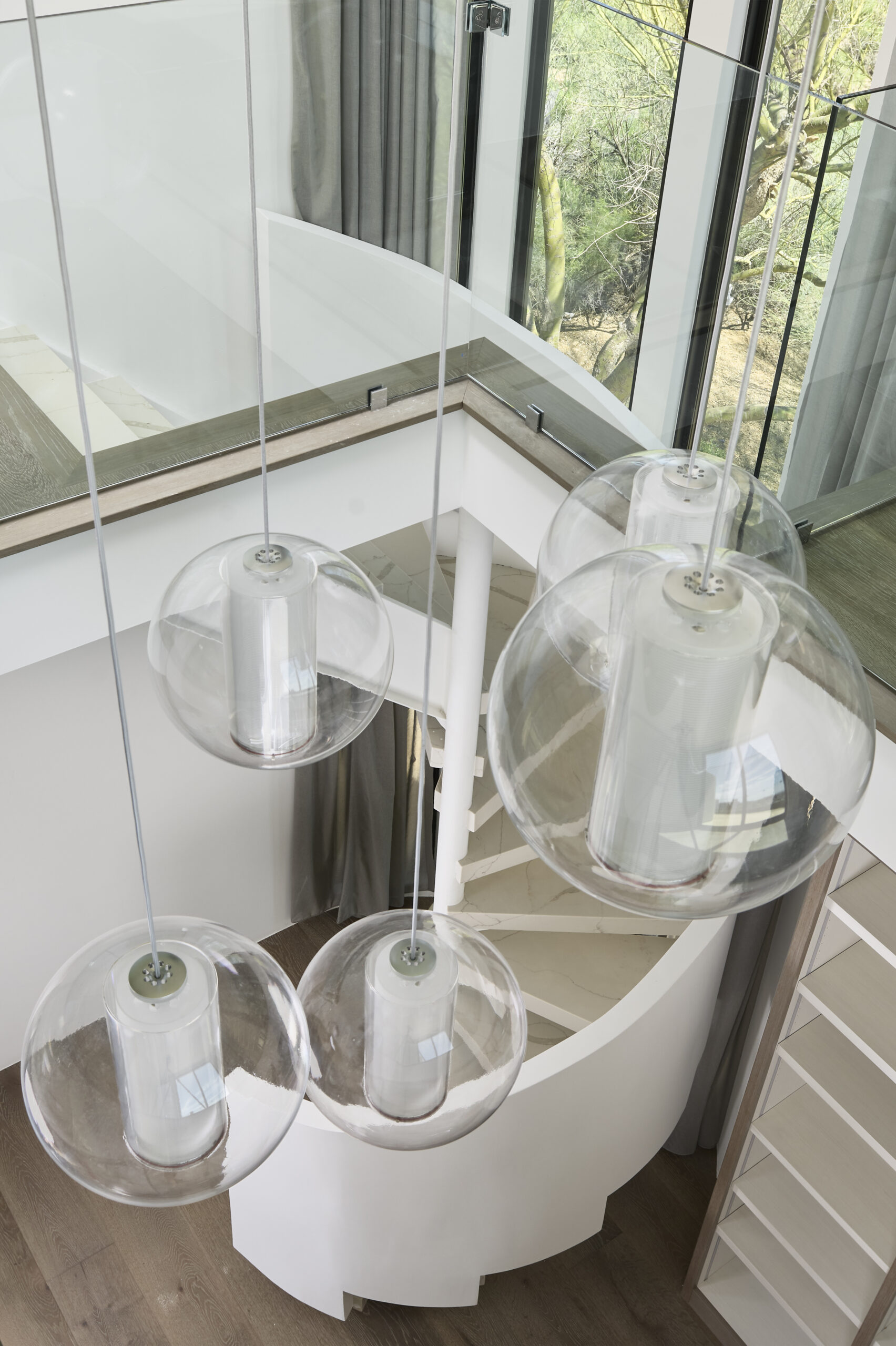
Wall washing can emphasize the curve, but a row of decorative fixtures may compete with it. Natural light often reveals the form more beautifully than added ornament.
Avoid making every opening an arch
Contrast gives the form significance. A few carefully placed arches can coexist with square openings and modern detailing, creating warmth without turning the interior into a motif.
The best arch feels inevitable—structurally plausible, beautifully proportioned and connected to the experience of moving through the home. Contact JSF Design.
BEST THE EDIT
of

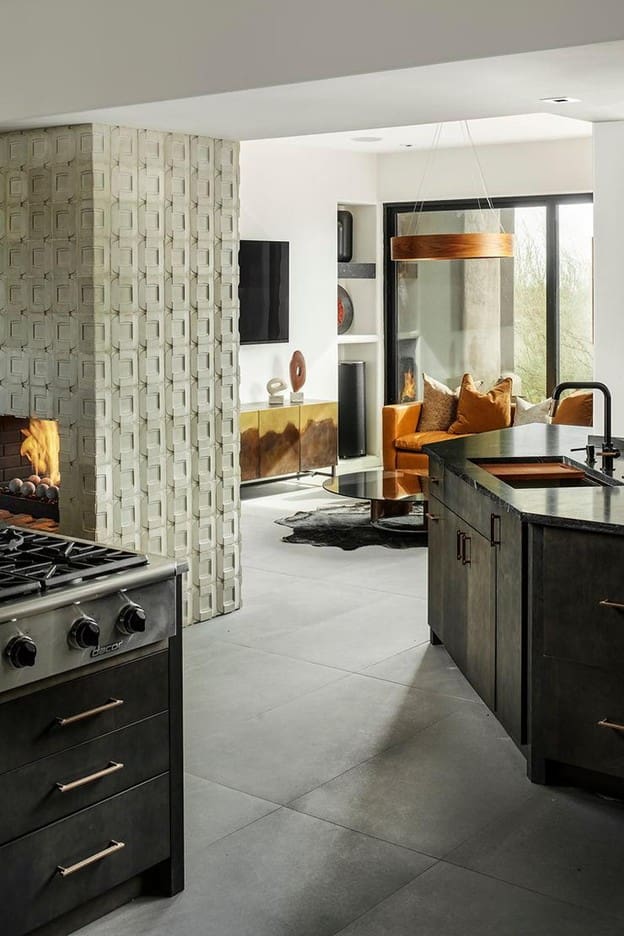
The collaboration between Jeffrey Florentine of JSF Design and Antolini began with a shared conviction: natural stone should shape architecture, not simply finish it. Featured by Modern Luxury Scottsdale, Elementa is a collection developed with Antolini to explore how texture, proportion, light and repetition can give stone a more architectural role in the home. Jeffrey […]
Elevate Your Space
Let’s Bring Your Vision to Life
Design Goes Beyond Aesthetics...
It Shapes Experience.

+ Show / Hide Comments
Share to: