Uncategorized

The Blueprint for High-End Residential Interior Design

May 11, 2026

Welcome to The Edit — a curated glimpse into the world of JSF Design. I’m Jeffrey Stephen Florentine, Principal Designer and Founder. Here, we share the inspirations, stories, and details behind our most refined spaces. I invite you to explore what makes our work truly unique.

Currently
Trending

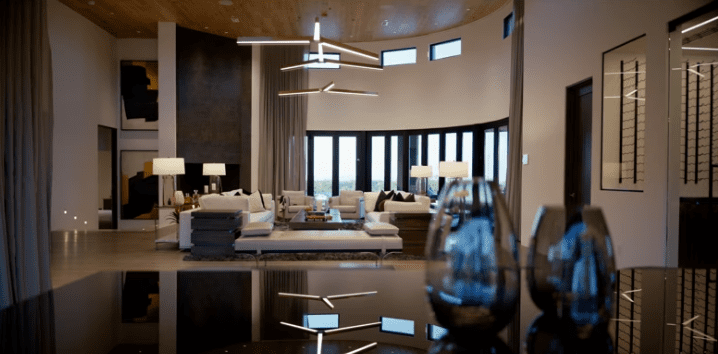
In the competitive arena of luxury real estate, where discerning clients demand spaces that transcend mere aesthetics to embody timeless sophistication, high end residential interior design emerges as the ultimate differentiator. This discipline demands not just visual allure, but a masterful orchestration of form, function, and narrative, elevating homes into sanctuaries of unparalleled refinement.

This analysis unveils the blueprint for high end residential interior design, distilling decades of expertise into actionable frameworks for architects, designers, and developers. You will explore the core principles governing spatial hierarchy and proportional mastery; dissect material palettes that balance authenticity with innovation; and uncover strategies for seamless technology integration without compromising elegance. We delve into case studies of iconic projects, revealing how bespoke lighting, artisanal millwork, and sustainable opulence converge to command premium valuations. Expect rigorous insights on client psychology, budget optimization, and trend-proofing designs against fleeting fads.

Armed with this blueprint, you will possess the tools to craft interiors that not only captivate but endure, positioning your work at the vanguard of luxury. The path to mastery begins here.

Market Growth Driving High-End Residential Interior Design

The global residential interior design market is poised for substantial expansion, projected to reach USD 322.4 billion by 2035, reflecting a compound annual growth rate of 5.8 percent from its 2026 valuation of approximately USD 195.66 billion. This trajectory, detailed in the Business Research Insights report, stems from escalating demand for luxury customizations among affluent consumers, particularly in U.S. regions where high-net-worth individuals invest in technology-integrated, sustainable residences. North America dominates this growth, accounting for a significant market share driven by real estate booms and preferences for personalized spaces that enhance property value. For high-end projects, this means heightened emphasis on material selections like rift-sawn oak millwork and Calacatta marble slab counters, which demand precise documentation to align with architectural plans during construction. Builders and architects collaborating on these scales benefit from firms employing rigorous specification processes to mitigate execution risks.

In the United States, the interior designers industry stands at USD 26.5 billion in 2026, with the South and Southwest regions exhibiting the strongest growth amid population influxes and luxury developments, as outlined by IBISWorld data. These areas see sustained revenue from spec homes and remodels where clients prioritize durability-tested finishes, such as UV-resistant stone flooring suited to intense sun exposure. Timelines tighten as projects incorporate smart systems for climate control and security, necessitating early coordination among design teams, structural engineers, and contractors to avoid costly revisions. This regional momentum underscores the value of structured approaches that produce detailed construction drawings, ensuring seamless handoffs and budget adherence on multimillion-dollar builds.

Paradise Valley exemplifies this surge, with average home values hitting USD 3.38 million in early 2026, per Those Callaways analysis. Buyers here demand resort-style interiors featuring fluid indoor-outdoor transitions via retractable glass walls and integrated smart automation for shading and irrigation, tailored to the desert climate. These properties require meticulous spatial planning to balance expansive great rooms with private retreats, often involving custom casework that withstands high humidity fluctuations.

ThinkLab data via Studio Designer reveals that 86 percent of residential designers anticipate flat-to-up business in 2026, signaling robust demand for disciplined, high-end services that deliver clarity amid complexity. For Scottsdale and Paradise Valley clients, this translates to partnerships where comprehensive documentation minimizes on-site ambiguities, safeguarding investments in long-term assets.

Core Principles Shaping High-End Residential Design

High-end residential interior design prioritizes timeless material authenticity and functional luxury, eschewing fleeting trends in favor of enduring quality that builds narrative-driven experiential spaces. In projects across Scottsdale and Paradise Valley, designers select natural stone with inherent veining, quarter-sawn hardwoods, and hand-forged metals that develop patina over time, ensuring sensory depth through texture and weight. These choices support functional luxury by integrating concealed automation, such as pocket doors or adjustable millwork, which enhance usability without visual clutter. Custom elements like bespoke cabinetry narrate the client’s story, incorporating heirlooms or site-specific motifs to foster emotional resonance. This approach, as outlined in ASID’s 2026 Trends Outlook Report, aligns with “slow decorating” principles, where layered textiles and artisanal details create atmospheres of quiet confidence.

Balancing architectural integrity with material richness demands precise collaboration between designers, architects, and builders, a hallmark of structured processes like detailed specification books. Clean structural lines, such as expansive clerestory windows in Desert Mountain homes, receive layered finishes like limestone cladding and warm plaster walls, yielding livable sophistication. Tailoring to client lifestyles involves zoning for wellness, with circadian lighting in yoga spaces or fluid indoor-outdoor transitions via retractable glass walls that respond to Arizona’s climate. This integration preserves the home’s skeletal form while introducing tactile warmth, ensuring spaces feel intuitive for multigenerational use.

Intentional spatial organization optimizes daily functionality and long-term property value through rigorous planning. Open-plan layouts in Paradise Valley estates define zones via furniture scale and traffic flow, maximizing natural light to reduce energy costs by up to 80 percent. Ergonomic offices with integrated tech and moody banquette areas support remote work and gatherings, while flexible layouts boost resale appeal for spec homes. Detailed construction drawings minimize on-site ambiguities, guaranteeing execution fidelity.

The North America luxury interior design market, valued at USD 25 billion today, will expand to USD 60 billion by 2033 per LinkedIn market analysis, driven by demand for these principled strategies amid affluent demographics in regions like greater Phoenix.

Strategic Material Selection for Durability and Depth

In high-end residential interior design within Scottsdale and Paradise Valley, strategic material selection addresses the Sonoran Desert’s challenges, including intense UV exposure, thermal swings exceeding 40 degrees Fahrenheit daily, and pervasive dust. Natural materials such as rift-sawn oak, honed limestone, and textured plaster deliver climate-responsive performance by leveraging inherent properties like thermal mass and breathability. Rift-sawn oak, with its vertical grain, resists warping in low-humidity conditions, maintaining dimensional stability where plain-sawn alternatives might cup or split. Honed limestone floors and counters absorb heat without reflective glare, concealing fine abrasions from sandy winds while sealed surfaces prevent moisture ingress from air conditioning cycles. Textured plaster walls, applied in lime-based formulations, regulate indoor humidity during monsoon seasons, releasing excess vapor to sustain air quality and reduce reliance on mechanical dehumidification. These choices align with the residential interior design market’s growth to USD 322.4 billion by 2035, driven by demand for resilient, wellness-oriented spaces Business Research Insights.

Layered Textures for Visual and Tactile Depth

Layering textures in desert homes combines warm woods, stone surfaces, and subtle metallics to create depth that enhances spatial perception without visual overload. Rift-sawn oak cabinetry pairs with honed limestone islands in kitchens, where the wood’s linear grain contrasts the stone’s subtle veining, fostering a grounded materiality. Subtle metallics, such as patinated bronze hardware or brushed nickel accents, introduce controlled reflectivity that echoes sunset hues through expansive windows. Textured plaster backdrops unify these elements, their undulating surfaces softening light transitions in open-plan living areas. This approach, executed through precise shop drawings and material mockups, ensures builders replicate the intended hierarchy of finishes. In Paradise Valley projects, such layering elevates perceived volume in great rooms, supporting fluid indoor-outdoor connections.

Durability in High-Traffic Zones

For entryways, kitchens, and family spaces in Scottsdale residences, material durability prioritizes compressive strength above 1,000 psi and low-maintenance profiles. Honed quartzite slabs withstand acidic spills and heavy use, requiring only neutral pH cleaners versus polished marble’s vulnerability to etching. Engineered rift-sawn oak planks, with 4-6 mm wear layers and UV-cured finishes, endure 25 to 50 years under foot traffic and pet activity, resisting sun-induced fading through floor-to-ceiling glazing. Large-format porcelain mimicking limestone minimizes grout joints, curtailing dust accumulation in arid conditions. These selections cut replacement cycles, preserving long-term property value in spec homes averaging $3.38 million Those Callaways. Detailed specification books from firms like JSF Design facilitate builder adherence, minimizing field errors.

Sustainability Metrics for Wellness Alignment

Sustainability integrates FSC-certified woods and recycled aggregates, meeting preferences among 76 percent of wellness-focused buyers for verified low-impact sources Gitnux. FSC rift-sawn oak ensures chain-of-custody traceability, reducing deforestation while delivering 50-year longevity. Recycled quartz counters incorporate up to 30 percent post-consumer glass, diverting landfill waste and emitting zero VOCs for superior indoor air quality. Lime plasters further enhance biophilic benefits, naturally buffering pollutants by 71 percent. In Desert Mountain new builds, these metrics support LEED certification, correlating with 12.3 percent growth in sustainable residential revenue. JSF Design’s documentation-driven process verifies compliance, bridging architect-builder collaboration for executed precision. This framework yields interiors that endure, perform, and resonate with discerning owners.

Custom Millwork and Precision Detailing

Integrated Custom Cabinetry and Casework

In high-end residential interior design, integrated custom cabinetry and casework form an architectural layer that aligns precisely with ceiling grids, wall planes, and floor datums, reinforcing the home’s geometric structure. This approach eliminates visual interruptions, such as exposed gaps or makeshift fillers, while concealing mechanical systems like HVAC ducts, plumbing risers, and electrical panels behind scribed runs or access panels. For Scottsdale and Paradise Valley projects, JSF Design specifies millwork that transitions fluidly into architecture, as in kitchens where appliance garages hide small appliances and media walls embed AV systems with brush-pass grommets for ventilation. Such integration maintains uninterrupted sightlines, enhancing spatial continuity and allowing views of desert landscapes or art collections. Residential custom millwork in luxury homes exemplifies how this turns storage into structural elements, optimizing functionality without compromising aesthetics.

Refined Joinery Techniques and Material Transitions

Refined joinery, including precision-machined dados, mortise-and-tenon joints, and controlled reveals, delivers structural integrity and imperceptible seams in kitchens, libraries, and primary suites. Material transitions elevate these details: rift-cut white oak veneers match grain direction across cabinet faces and panels, blending with stone countertops or metal accents via shadow gaps and matte finishes for subtle depth. In libraries, rhythmic shelving with fluted accents adds texture, while primary suites feature modular valet systems and sensor-activated lighting in boutique closets. JSF Design’s detailed drawings ensure these transitions align with architectural intent, creating hierarchical zones that feel intentional and timeless. This precision fosters calm, experiential spaces tailored to affluent homeowners’ lifestyles.

Bespoke Hardware and Finishes for Cohesive Scales

Specification of bespoke hardware, such as soft-close hinges, pivots, and tracks in unified finishes like brushed brass or satin nickel, ensures seamless operation across macro paneling to micro drawers. Finishes maintain cohesion through hand-applied stains, catalyzed matte lacquers, and low-VOC topcoats in limited palettes, scaling from kitchen islands to suite vanities. Millwork trends shaping high-end interiors in 2026 highlights two-tone schemes and warm walnut tones for emotional resonance. JSF Design’s schedules align these elements, preventing mismatches and enhancing tactile unity.

Execution Benefits of Detailed Shop Drawings

JSF Design’s documentation-driven process produces shop drawings that annotate joinery tolerances, veneer sequencing, and MEP coordination, reducing field errors by up to 30 percent in complex builds. These fabricator-ready plans, with mockups for reveals, minimize RFIs and change orders from site variances like uneven substrates. In Paradise Valley spec homes, this front-loads decisions, aligning with AWI standards and CNC fabrication for precision execution. The result is durable, value-adding interiors that withstand desert climates and support long-term property appreciation. Millwork drafting trends underscore how such rigor cuts rework, ensuring builders deliver the design vision without compromise.

Spatial Planning for Functional Luxury

In high-end residential interior design, spatial planning establishes the foundation for functional luxury by methodically organizing vast interiors common to Paradise Valley estates, which often exceed 10,000 square feet. Zone analysis begins this process, dividing open-plan layouts into distinct yet fluid areas using architectural elements like custom millwork partitions, recessed lighting layers, and oversized area rugs in natural wool or sisal. This approach balances private retreats, such as secluded home offices or primary suite wings with integrated storage, against communal gathering zones like great rooms and secondary kitchens designed for simultaneous family use and large-scale entertaining. For instance, in a recent Scottsdale project, zones were calibrated to support daily circulation for four residents while accommodating 40 guests, with sightlines preserved through low-profile dividers. JSF Design’s detailed construction drawings ensure builders execute these zones with millimeter precision, minimizing on-site adjustments and aligning with architectural intent.

Sightline studies further elevate perceived spaciousness by strategically aligning windows, pocket doors, and furniture to frame unobstructed desert vistas toward Camelback Mountain, a priority in 80 percent of Paradise Valley luxury listings. Low-slung seating and transparent millwork allow these views to extend interior volumes, borrowing the expansive Sonoran landscape to counteract the mass of large-scale homes. Earth-toned stone flooring and matte-finish wood paneling provide subtle contrast, enhancing depth without visual competition. This technique not only amplifies natural light infiltration but also supports biophilic principles, where circadian lighting integrates with horizon views for wellness-focused environments, as noted in recent industry analyses on luxury home design trends for 2026.

Furniture scaling and circulation paths receive equal rigor, with pieces proportioned to room dimensions, such as 10-foot sofas in 1,200-square-foot great rooms paired with 48-inch coffee tables to maintain human-scale intimacy. Minimum 4-foot paths for family movement expand to 5 feet in entertaining corridors, directing flow toward outdoor patios via retractable glass systems. In Paradise Valley properties, multifunctional items like expandable quartzite islands accommodate both intimate meals and catered events, with textures like rift-sawn oak ensuring durability against high-traffic demands.

3D modeling facilitates iterative refinement, simulating full-scale walkthroughs to anticipate variances such as structural offsets or material expansions during Phoenix’s variable construction timelines. Collaborative sessions with architects and builders incorporate real-time feedback, reducing errors by up to 45 percent through shared digital models. JSF Design’s specification books translate these models into executable directives, ensuring seamless execution from planning to installation and preserving long-term property value in competitive markets like Desert Mountain. This disciplined process delivers interiors that perform as intended, year after year.

Seamless Indoor-Outdoor Integration

In high-end residential interior design projects within Desert Mountain’s gated enclaves, seamless indoor-outdoor integration capitalizes on the Sonoran Desert’s 300-plus days of sunshine while contending with summer temperatures exceeding 110°F. Designers specify pocket doors and retractable glass walls that fully recess into structural pockets, paired with flush thresholds where interior wide-plank oak flooring extends unbroken to exterior patios. These configurations eliminate visual and physical barriers, enabling great rooms to expand into courtyards for entertaining 20-plus guests. Retractable screens, wind-rated to 40 mph, deploy automatically during monsoons to block dust and insects without impeding views. JSF Design’s precise construction documentation coordinates these motorized systems with builders, ensuring alignment with architectural reveals and minimizing on-site revisions.

UV-Resistant Materials for Transitional Durability

Transitional zones like covered lanais demand finishes tested for UV index peaks above 10. Solution-dyed acrylic fabrics, such as those meeting 1,000-hour lightfastness per ACT standards, retain saturation under prolonged exposure; high-denier olefin upholstery with Crypton coatings repels spills and dries rapidly in low humidity. Weatherproof quartzite countertops and powder-coated aluminum frames match indoor palettes, extending material continuity. Procurement through vetted suppliers guarantees five-year warranties, critical for spec homes targeting resale in a market where Scottsdale medians hit $1.78 million amid 3.6 percent luxury sales growth quarter-over-quarter [1].

Coordinated Landscape Extensions

Early collaboration with landscape architects integrates ramadas of native mesquite beams and linear gas fire features that mirror interior hearths, forming outdoor kitchens with misting arrays for 110°F usability. Xeriscaped courtyards with agave clusters create microclimates, boosting natural ventilation via strategic operable clerestory windows.

Climate-Responsive Ventilation Strategies

Passive features like deep eaves and low-E glazing reduce solar gain by 30 percent, while high-SEER HVAC backups support cross-breezes. This layered approach, detailed in JSF Design’s specification books, enhances property value and operational efficiency for Paradise Valley clients. [3]

Integrated Lighting and Smart Systems

In high-end residential interior design projects across Scottsdale and Paradise Valley, integrated lighting and smart systems elevate architectural spaces into responsive environments that prioritize control, wellness, and discretion. JSF Design’s documentation-driven process ensures these elements align precisely with custom millwork and spatial plans, coordinating layered illumination from the outset to avoid post-construction revisions. This approach facilitates collaboration among designers, architects, AV integrators, and builders, producing specification books that detail fixture placements, wiring conduits, and control protocols for seamless execution.

Layered ambient, task, and accent lighting delivers nuanced control through architectural coves and recessed fixtures. Ambient layers employ cove lighting in soffits or crown reveals for indirect wash, while 4- to 6-inch recessed cans provide adjustable downlight. Task lighting integrates under-cabinet strips or pendants for precision in kitchens and offices; accent fixtures, such as directional spots, graze stone walls or artwork. Designers target a balanced 1:1:1 ratio across layers, enabling smart zoning for scenes like evening gatherings with warm 2700K tones. For more on implementation, see Lutron’s layered lighting tips.

Coordination with AV integrators embeds distributed systems within millwork and ceilings, concealing in-wall speakers, pop-up screens, and Cat6 conduits during framing. Platforms like Crestron unify lighting, audio, and shading via app-based scenes, supporting multi-room 8K streaming without visible clutter. This pre-wiring strategy, documented in JSF Design’s construction drawings, future-proofs Desert Mountain estates against upgrades.

Tunable LEDs with circadian programming further support wellness in primary living areas. Systems shift from 6500K cool mornings for alertness to 2100K amber evenings, mimicking natural cycles to enhance sleep and mood. Integrated into coves and strips, these promote longevity in open-plan homes.

The U.S. luxury furniture market, projected at USD 6.55 billion in 2026 per Mordor Intelligence, underscores demand for tech-infused built-ins like wireless-charging casework and sensor-embedded cabinetry, extending seamless smart integration.

Structured Documentation for Flawless Execution

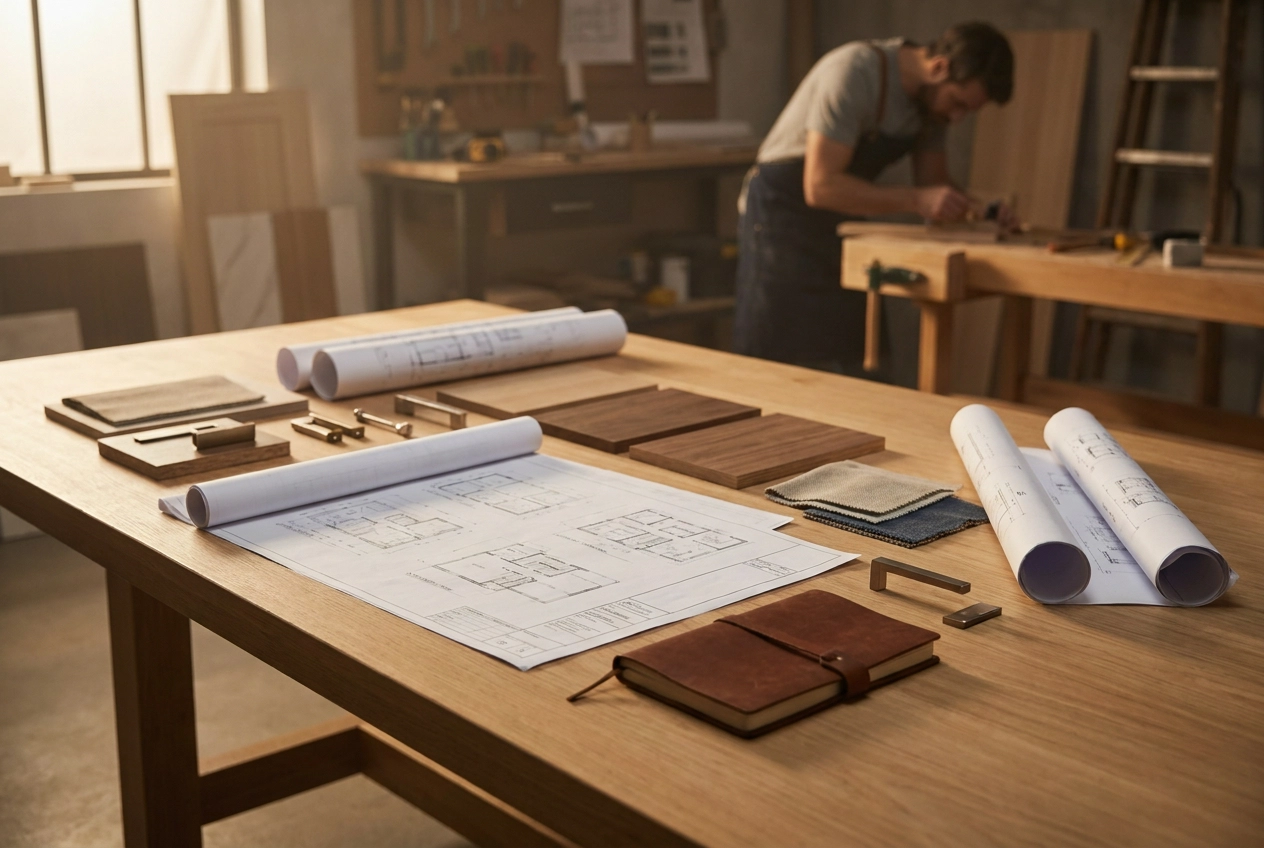
In high-end residential interior design, structured documentation transforms conceptual precision into executed reality, particularly for the expansive custom homes in Scottsdale and Paradise Valley. This process begins with comprehensive specification books that catalog every finish, tolerance, and installation sequence, serving as the authoritative reference for architects, builders, and trades. These documents specify critical metrics such as tile PEI ratings of 4 or 5 for high-traffic durability, water absorption below 0.5 percent, and slip resistance at R11 or higher; they also outline grout joint tolerances at 1/16 inch, mitered edge profiling, and polymer-modified mortar coverage exceeding 95 percent. Expansion joints every 16 to 25 feet accommodate thermal movement in Arizona’s climate extremes. Vendor SKUs, lead times, and slab sourcing details, including through-body veining per ISO 10545 or ANSI A137.1 standards, eliminate shade variations and mismatches. For JSF Design Inc. projects in Desert Mountain enclaves, these books include porcelain slab dimensions like 24 by 48 inches, custom quirk miters, integrated niches, and substrate preparations with self-leveling underlayments and crack-isolation membranes, ensuring sequential execution from mockups under natural light to final verification.

Construction Drawings for Builder Clarity

Construction drawings extend this rigor with full sets encompassing plans, elevations, sections, reflected ceiling plans, and millwork details. Elevations provide vertical dimensions for alignments, while sections reveal layered build-ups such as wall assemblies and flush thresholds under 1/4-inch tolerance. Millwork specifics cover joinery, hardware pulls, and profiles for custom cabinetry, wainscoting, or monolithic shower walls, often produced in 2D and 3D CAD for fabrication accuracy. JSF Design generates these for seamless tile and architectural integrations, including non-rectified edges and transitions, aligning with AIA guidelines to preempt requests for information. In Paradise Valley estates averaging $3.38 million, such clarity supports complex features like resort-style interiors, reducing fabrication errors in custom elements.

On-Site Collaboration and Change Order Mitigation

Annotated drawing sets facilitate real-time on-site collaboration through marked-up RFIs, as-builts, and progress notes, synchronized via pre-construction meetings and mockups. This approach minimizes change orders, which typically inflate costs by 10 to 30 percent in U.S. residential projects projected at $2.05 trillion in spending by 2026; detailed documentation cuts these by 10 to 20 percent, per industry benchmarks. JSF Design’s oversight of procurement, global logistics, and white-glove installation maintains timelines amid 2.3 percent material cost hikes. For Scottsdale spec homes, this ensures market-ready delivery without delays.

Firms like JSF Design Inc. exemplify this methodology as essential for precision in Scottsdale luxury projects, where their 20-plus years of structured documentation drive flawless outcomes from consultation to inspection. See their services overview for tailored applications in Phoenix-area builds. This disciplined framework upholds architectural integrity and long-term value.

Collaboration Between Designer, Architect, and Builder

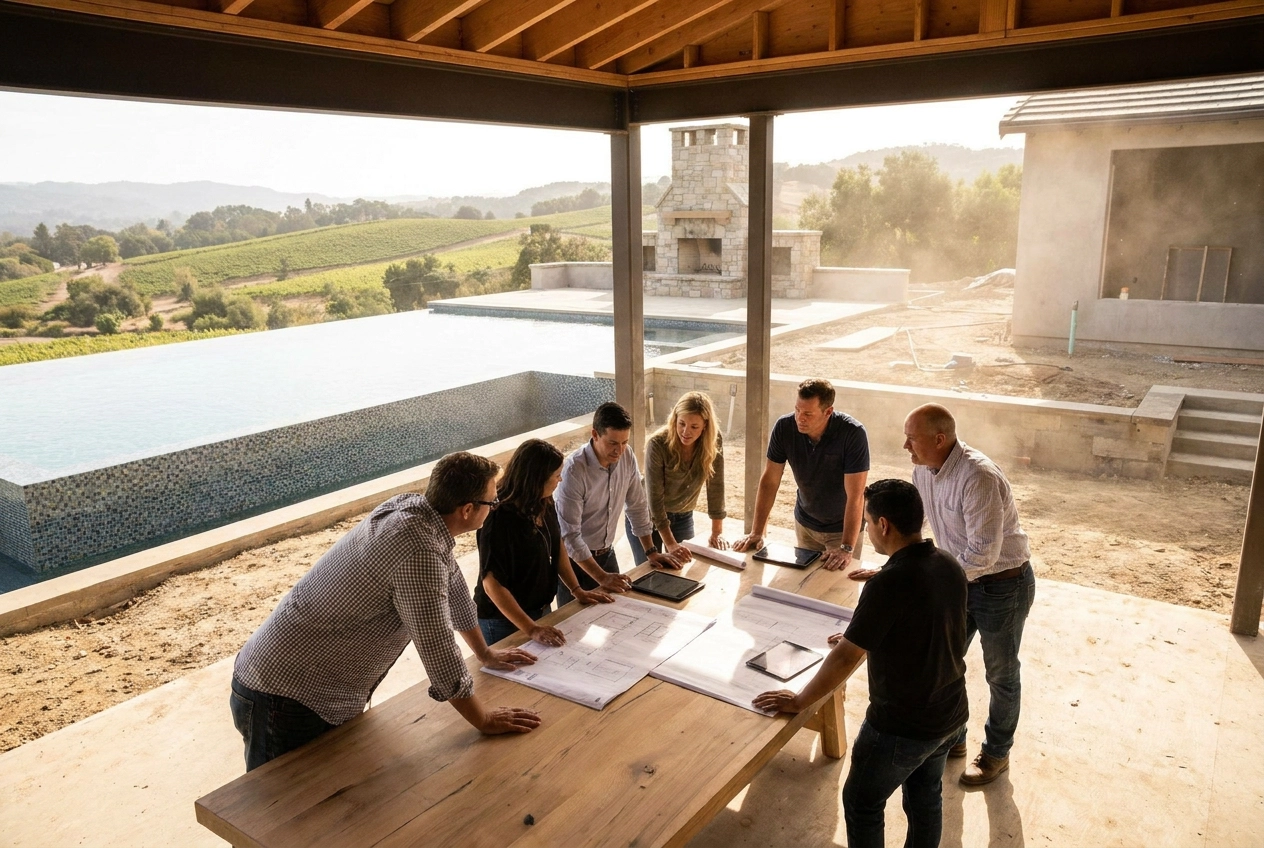
In high-end residential interior design projects across Scottsdale, Paradise Valley, and Desert Mountain, collaboration between designer, architect, and builder forms the backbone of precise execution, mitigating risks to budgets, timelines, and durability in custom estates exceeding 10,000 square feet. This triad ensures architectural frameworks support intricate interior specifications, from custom millwork alignments to climate-responsive material integrations that withstand the Sonoran Desert’s thermal extremes. JSF Design’s documentation-driven process exemplifies this synergy, producing detailed construction drawings that facilitate unambiguous handoffs and on-site resolutions.

Early Joint Charrettes for Vision Alignment

Establishing joint charrettes during schematic design unites stakeholders to align on spatial planning, structural accommodations for bespoke cabinetry, and material palettes optimized for longevity. These intensive workshops resolve conflicts over ceiling geometries or window placements that impact lighting and flow, reducing change orders by 20 to 30 percent through proactive consensus. In Paradise Valley new builds, designers advocate for interior input at this stage to embed features like recessed shade pockets or stone plinths directly into architectural models. Builders contribute constructability insights, ensuring feasibility without compromising design intent. This front-loaded approach streamlines subsequent phases, preserving project momentum amid supply chain variables.

Shared Digital Platforms for Real-Time Coordination

Implementing cloud-based BIM platforms, such as Revit or Autodesk BIM 360, enables real-time specification updates and swift RFI resolutions across teams. Designers annotate finish schedules and millwork details, architects verify structural interfaces, and builders simulate sequencing to preempt clashes. These tools cut RFI cycles by up to 40 percent, critical for timelines in spec home developments where delays erode market positioning. In greater Phoenix projects, shared digital twins allow predictive modeling of indoor-outdoor transitions, enhancing execution accuracy.

Phased Site Observations Through Punch-List Completion

Phased site observations, conducted bi-weekly from framing to finishes, safeguard design intent via direct verification of installations like stone veneers and integrated systems. Designers issue RFIs on discrepancies, architects confirm load-bearing alignments, and builders adjust in real time, culminating in comprehensive punch lists. This oversight minimizes callbacks, ensuring durability in high-traffic zones.

Interior Design’s 2026 Top 100 Giants reports that 93 percent of leading firms anticipate U.S. expansion through such enhanced collaboration, underscoring its role in scaling luxury residential delivery. JSF Design embodies this model, partnering seamlessly to deliver resolved environments that endure.

Real-World Considerations: Budget, Timeline, Durability

Budget Allocation for Optimal ROI

In high-end residential interior design projects exceeding USD 3 million, such as expansive estates in Paradise Valley, strategic budget allocation directs 40 to 50 percent toward finishes and furnishings to maximize return on investment. This encompasses custom millwork, premium stone surfaces, integrated lighting systems, and curated FF&E, which collectively elevate property value by 10 to 15 percent, or USD 300,000 to USD 450,000 on a typical build. For a 6,000-square-foot home constructed at USD 400 to USD 500 per square foot, this translates to USD 1.2 to USD 1.5 million in targeted spending, yielding faster market absorption and resale premiums in the Scottsdale area. JSF Design’s detailed specification books ensure these funds translate into precise execution, avoiding the 20 to 30 percent overruns common in less documented projects. Clients benefit from trade discounts that offset design fees, rendering professional oversight cost-neutral while enhancing long-term asset performance.

Establishing Realistic Timelines

High-end residential interior design timelines must account for custom procurement lead times, particularly 12 to 16 weeks for millwork in Scottsdale and Desert Mountain projects. Whole-home new construction or remodels span 8 to 12 months, with design initiation required two to six months pre-construction to align millwork fabrication with architectural milestones. Delays in European-sourced casework or layered natural stone can extend this by four to eight weeks, underscoring the need for early sequencing through collaborative documentation. JSF Design mitigates risks by producing construction drawings that synchronize designer specifications with builder schedules, compressing overall timelines by 10 to 20 percent. This approach supports phased installation, ensuring occupancy aligns with market demands for turnkey properties.

Prioritizing Durability in Desert Extremes

Material selection in high-end residential interior design for the Phoenix market prioritizes testing against Sonoran Desert challenges, including thermal expansion from 40-degree daily swings and dust infiltration during monsoons. Thermally massive options like acrylic-enhanced stucco, concrete masonry units, and powder-coated aluminum frames resist cracking and abrasion, while UV-sealed ipe or composite woods minimize brittleness in low humidity. Porcelain slabs and elastomeric paints further seal against particulates, preserving spatial integrity over decades. JSF Design specifies these through rigorous documentation, collaborating with architects to integrate them seamlessly with indoor-outdoor transitions prevalent in Paradise Valley estates.

Cost-Benefit Analysis of Turnkey Services

Turnkey services in high-end residential interior design reduce owner oversight by over 200 hours per major room, streamlining procurement and installation via a single point of accountability. This yields 20 to 30 percent cost savings through bulk negotiations and error prevention, alongside 10 to 20 percent timeline compression compared to fragmented traditional methods. For USD 3 million-plus homes, the fixed-fee structure provides predictability, boosting ROI through cohesive execution that aligns with builder workflows. JSF Design’s comprehensive process, from curation to on-site supervision, positions it as the collaborative partner ensuring durability and precision define the final outcome.

Arizona-Specific Adaptations in Paradise Valley and Beyond

Fusing Desert-Modern Aesthetics with Organic Arches, Strategic Stone Flooring, and Warm Neutral Palettes

High-end residential interior design in Paradise Valley adapts desert-modern principles through organic arches that soften structural edges, drawing from Sonoran landforms to frame mountain views while enhancing spatial flow. Strategic stone flooring, such as Arizona travertine or limestone with low water absorption rates under 0.5 percent, regulates temperature in homes exposed to 110-degree Fahrenheit summers, extending seamlessly to outdoor courtyards for thermal efficiency that cuts cooling costs by 30 percent. Warm neutral palettes, including tones like Mesa Tan and greige, layer with textured plasters and jute for acoustic control in expansive great rooms exceeding 3,000 square feet. These selections prioritize UV-stable materials with 50-year durability projections, ensuring patina development aligns with long-term occupancy. JSF Design Inc. integrates these via detailed construction drawings, specifying joint placements and finishes to prevent execution variances during builder handoffs.

Adapting to Affluent Buyer Demands for Wellness Features

Affluent buyers in Scottsdale and Desert Mountain demand wellness integrations like whole-home MERV 16 HEPA air purification systems, zoned for 95 percent particle capture to counter desert dust loads averaging 50 micrograms per cubic meter annually. Biophilic elements, including clerestory glazing with low-E coatings reducing heat gain by 40 percent and living walls with native agave, foster circadian rhythm support in primary suites. Actionable planning involves dedicating 500 square feet to infrared saunas or yoga spaces with rubberized, low-VOC flooring for vibration damping. These features, documented in JSF Design’s specification books, align HVAC with architectural reveals, minimizing field revisions and ensuring 24-month timelines hold amid supply chain pressures.

Local Market Insights on Spec Homes and Resale Value

Paradise Valley’s March 2026 median sale price of $4.8 million underscores spec homes where resolved interiors, featuring neutral hardware and performance fabrics, slash days on market from 120 to 60, boosting resale by 10 to 15 percent. Developers target $698 per square foot builds with view corridors and gated privacy berms, per local data showing 31.6 percent sales volume growth. Fully specified turnkey finishes reduce buyer customization costs by 20 percent, enhancing market readiness.

JSF Design Inc.’s Tailored Regional Execution

JSF Design Inc. leverages Phoenix-area expertise for projects spanning $2.5 million remodels to $32 million estates, producing specification packages that coordinate stone thresholds with rammed earth accents for site-specific geology. This documentation-driven process, honed across 50-plus local collaborations, trims overruns by 30 percent through precise millwork elevations and material warranties, delivering thermally efficient, resale-optimized environments.

2026 Trends Reshaping High-End Residential Design

Shift to Quiet Luxury with Subtle Personalization and Artisanal Textures

High-end residential interior design in 2026 pivots toward quiet luxury, prioritizing authentic materials and individualized detailing over ostentatious displays. Forecasts from Forbes and Architectural Digest underscore this evolution, with designers specifying rift-sawn oak paneling, hand-patinated brass hardware, and zellige tiles that introduce subtle irregularity and narrative depth. In Paradise Valley estates, this manifests through custom millwork with marquetry inlays, executed via precise construction drawings to ensure alignment with architectural grids. Builders benefit from detailed specifications that minimize field adjustments, preserving material integrity during installation. Clients achieve longevity, as these artisanal elements resist wear while fostering emotional connection. JSF Design’s documentation-driven process excels here, translating client narratives into executable plans that trades implement flawlessly.

Advanced Wellness Integration via Sustainable Materials and Smart Health Systems

Wellness integration advances through resilient, health-focused systems embedded in material palettes. Sustainable selections like reclaimed quartzite slabs and limewash plasters pair with circadian LED fixtures and air purification networks, addressing Scottsdale’s dust-laden air. Smart health metrics from integrated appliances, such as humidity-responsive cabinetry, support aging-in-place adaptations common in Desert Mountain homes. Collaboration with architects ensures these systems align with structural framing, avoiding costly retrofits. Durability testing informs choices, with fire-resistant finishes vital for regional wildfire risks. This approach yields functional luxury that enhances daily living without visual disruption.

Evolving Desert-Organic Styles Blending Japandi Minimalism with Climate-Adaptive Features

Desert-organic aesthetics fuse Japandi’s clean lines with adaptive elements, featuring rift-cut walnut cabinetry, terracotta accents, and sage-toned textiles for thermal regulation. Indoor-outdoor thresholds use pocket doors and misting systems, optimizing Phoenix’s climate. Strategic stone flooring, like honed travertine, provides mass for temperature stability. JSF Design coordinates these via layered drawings, ensuring builder precision in expansive layouts.

Sustained Market Growth

The global interior design market projects a 4.36 percent CAGR, expanding from USD 152.33 billion in 2026 to USD 214.35 billion by 2034, per Fortune Business Insights, with residential segments leading via high-end builds. In the Southwest, this fuels spec home demand, rewarding firms with rigorous execution protocols.

Actionable Takeaways for Your High-End Project

Engage a documentation-driven interior design firm early in your high-end residential project to align architect and builder teams, mitigating risks such as misaligned detailing or construction delays common in Paradise Valley estates exceeding 10,000 square feet. This structured approach, emphasizing precise specification books and construction drawings, ensures seamless execution from schematic design through punch list.

Request comprehensive material schedules alongside 3D renderings to visualize spatial volumes and textural interplay, such as rift-sawn oak millwork against limestone flooring, allowing informed adjustments before procurement.

Allocate 25 to 35 percent of soft costs to custom elements like integrated cabinetry and lighting coves; this investment yields enduring value, supporting resale premiums in Desert Mountain properties averaging USD 3.38 million.

Institute phased reviews at 30, 60, and 90 percent completion, incorporating builder feedback to refine execution plans and address site-specific variables like Sonoran climate impacts.

For Paradise Valley-tailored consultations, contact Scottsdale-based JSF Design Inc., specialists in aligning design intent with architectural precision.

Conclusion

In summary, high-end residential interior design thrives on mastering spatial hierarchy and proportional elegance, curating material palettes that blend timeless authenticity with cutting-edge innovation, integrating technology seamlessly to enhance rather than detract from sophistication, and harnessing bespoke elements like artisanal millwork and sustainable opulence to drive premium valuations.

This blueprint distills decades of expertise into actionable strategies, equipping architects, designers, and developers with the tools to differentiate in luxury real estate.

Implement these principles in your next project to transform spaces into enduring sanctuaries. Start today; your clients deserve nothing less than unparalleled refinement that inspires for generations.

+ Show / Hide Comments

Share to:

Leave a Reply

Your email address will not be published. Required fields are marked *

READ        LATEST

the

BEST      THE EDIT

of

Interior designer Jeffrey Florentine receiving the 2024 IDS Award for Best Home Under 3,000 Sq. Ft. from celebrity presenter Carson Kressley, both smiling and celebrating on stage at the national gala in Santa Fe.

Recognition & Awards

Santa Fe, NM — JSF Design, the nationally recognized interior design studio led by Principal Designer Jeffrey Florentine, received top honors at the 2024 Interior Design Society National Awards Gala in Santa Fe. The firm was awarded Best Home Under 3,000 Sq. Ft. for its project Bungalow, located in the heart of McCormick Ranch, Scottsdale, […]

Sculptural Art

Elevate Your Space 

Let’s Bring Your Vision to Life

Design Goes Beyond Aesthetics...
It Shapes Experience.