Uncategorized

Precision Millwork Strategies in Interior Design

May 8, 2026

Welcome to The Edit — a curated glimpse into the world of JSF Design. I’m Jeffrey Stephen Florentine, Principal Designer and Founder. Here, we share the inspirations, stories, and details behind our most refined spaces. I invite you to explore what makes our work truly unique.

Currently
Trending

In the competitive arena of high-end interior design, where marginal gains separate visionary projects from the ordinary, precision millwork emerges as the definitive edge. Advanced practitioners recognize that interior design millwork transcends mere cabinetry or trim; it orchestrates spatial harmony, manipulates light and texture, and embeds narrative depth into built environments. Yet, achieving true mastery demands strategies that align fabrication tolerances with architectural intent, a discipline too often undermined by imprecise execution.

This analysis dissects precision millwork strategies tailored for sophisticated interiors. Readers will uncover methodologies for calibrating joinery to sub-millimeter accuracy, integrating sustainable hardwoods with digital fabrication workflows, and leveraging parametric modeling to anticipate on-site variables. Expect rigorous examinations of case studies from iconic projects, quantitative benchmarks for performance metrics like thermal bridging reduction and acoustic optimization, and actionable frameworks for collaborating with mills on custom profiles. By the conclusion, you will possess the intellectual arsenal to elevate your millwork specifications, ensuring they not only meet but redefine client expectations in an era of uncompromising excellence.

Defining Millwork in High-End Interior Design

Millwork Fundamentals in Luxury Residential Projects

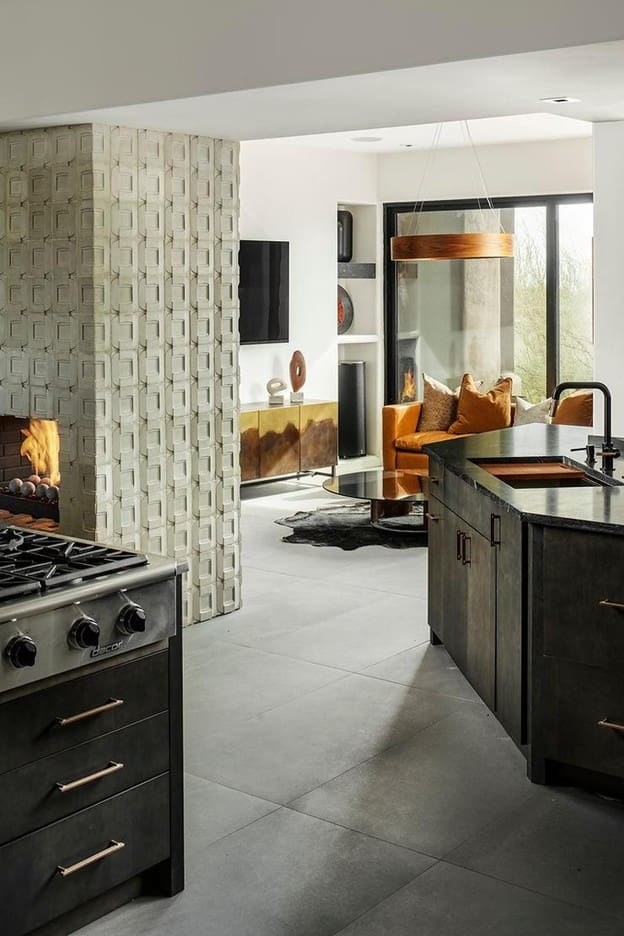
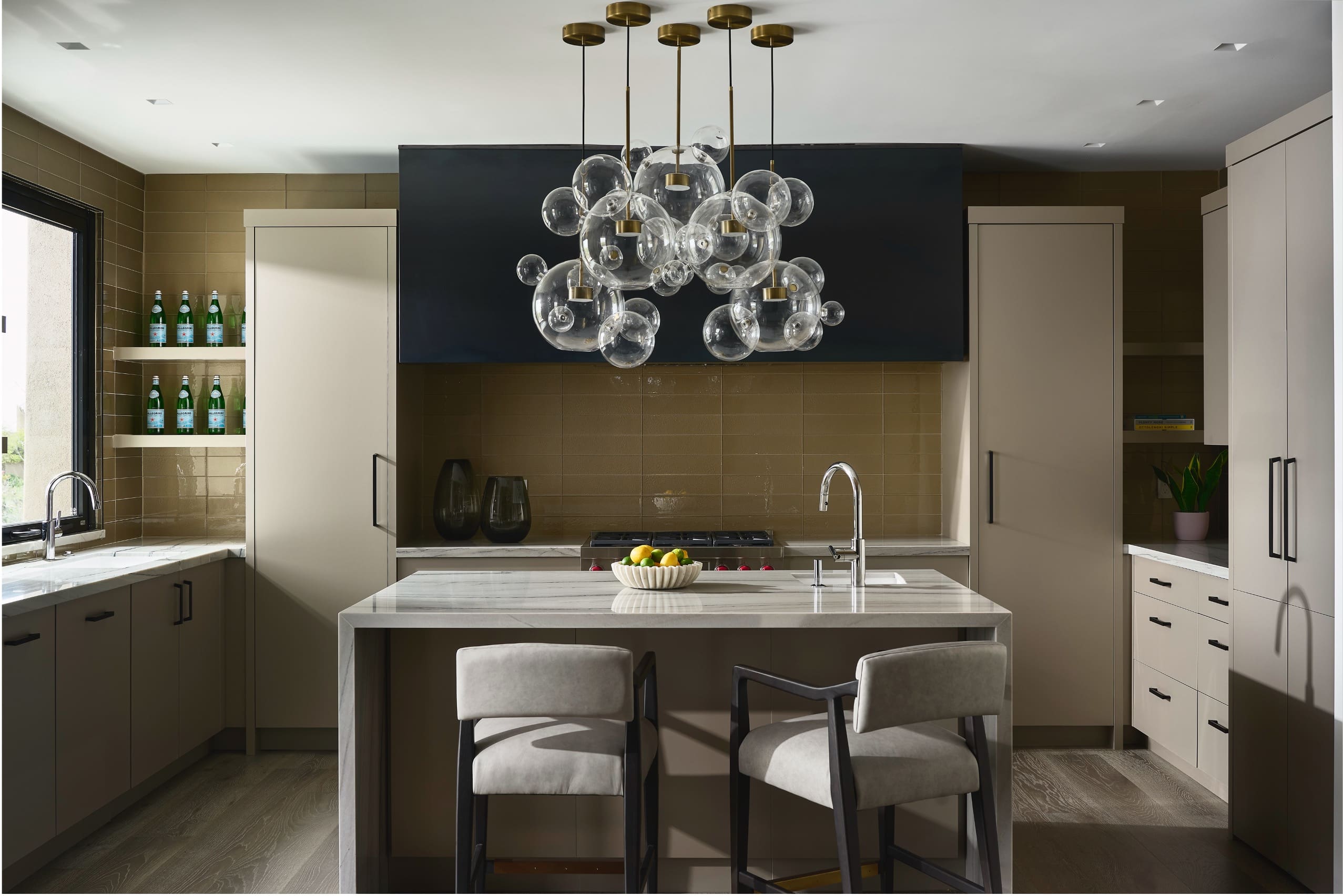
Millwork encompasses custom-fabricated wood elements produced in specialized mills for precise, site-specific installation. These components include cabinetry such as kitchen islands and vanities, built-ins like bookshelves and media walls, crown molding, baseboards, wainscoting, coffered ceilings, doors with custom frames, and intricate trim details. Unlike movable furniture, millwork integrates permanently into the structure during construction or renovation, ensuring alignment with architectural dimensions. In high-end Scottsdale and Paradise Valley homes, firms like JSF Design specify millwork using rift-sawn white oak or walnut with matte finishes to mitigate Arizona’s intense sunlight and humidity fluctuations, incorporating expansion joints for longevity. This approach demands detailed shop drawings and specification books to coordinate with builders and mills effectively. What is architectural millwork.

Seamless Architectural Integration

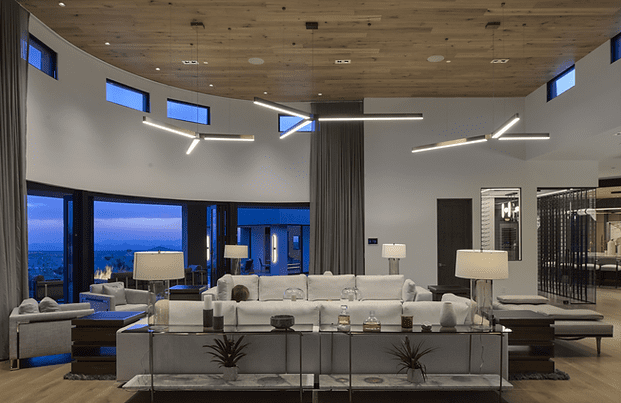
Millwork enhances architectural integrity by forging seamless transitions between structural elements and functional spaces. Precision-milled profiles create continuous lines, such as matching crown moldings that unify ceilings with walls or custom window casings that frame views without interruption. In large-scale Desert Mountain estates, this integration conceals utilities like wiring behind paneled surfaces while maintaining proportional balance across expansive rooms. JSF Design’s documentation-driven process ensures builders execute these details flawlessly, preventing costly field adjustments. The result is spatial continuity that elevates the home’s inherent architecture, as seen in projects where coffered ceilings align with structural beams for rhythmic depth.

Functionality, Storage, and Material Richness

In custom homes averaging $698 per square foot in the Phoenix market, millwork delivers essential storage and functionality alongside material depth. Built-ins transform underutilized areas into tailored zones, such as mudroom systems with integrated benches or walk-in closets featuring soft-close drawers and hidden lighting. Warm-toned hardwoods introduce tactile grain and subtle texture, layering depth over clean modern lines. This adds practical value, boosting resale appeal through clutter-free organization. For spec developers, such elements justify premium pricing amid a U.S. millwork market projected to grow from $12.5 billion in 2024 to $18.4 billion by 2032 at a 5.1% CAGR. Role of custom millwork in high-end interiors.

Precision Over Mass Production

Custom millwork differentiates sharply from off-the-shelf products through tailored proportions and detailing that align with the project’s design intent. Mill-fabricated pieces achieve exact fits for nonstandard layouts, with mitered edges integrating seamlessly against porcelain slabs or limestone counters. Superior veneers and consistent finishes withstand decades of use, unlike catalog items prone to wear at joints. JSF Design prototypes these via in-house sketches, ensuring collaboration yields intentional outcomes that enhance long-term property value. This bespoke execution is critical for affluent clients seeking timeless precision. Architectural millwork overview.

Millwork Market Growth Projections for 2026

The US millwork industry is projected to reach $38.5 billion in 2026, according to IBISWorld data, fueled primarily by robust demand in luxury residential construction. This growth follows a period of contraction due to volatile wood prices and a shift toward engineered alternatives like MDF, but anticipates a rebound through 2031 as builders prioritize solid hardwoods for cabinetry, trim, and built-ins in high-end homes. In markets like Scottsdale and Paradise Valley, where custom millwork integrates seamlessly with architectural features such as coffered ceilings and mitered stone edges, this expansion supports projects averaging $698 per square foot. Developers and affluent homeowners benefit from millwork’s ability to enhance spatial functionality and long-term durability against Arizona’s climate challenges.

Globally, the millwork market stands at an estimated $115.5 billion in 2025, with a 3.4% CAGR through 2032 per Metastat Insight, driven by bespoke applications in residential sectors. Tailor-made elements like fluted panels and tech-integrated storage underscore personalization, aligning with urbanization and rising standards for acoustically superior, energy-efficient interiors.

US-specific forecasts from PS Market Research project growth from $12.5 billion in 2024 to $18.4 billion by 2032 at a 5.1% CAGR, with residential demand comprising 65-75% of the market. This ties directly to the US interior design sector’s expansion to $41.8 billion by 2030 (Grand View Research), where precise millwork documentation ensures execution fidelity in luxury Arizona builds, preserving architectural intent and property value.

Millwork Trends Defining 2026 Luxury Interiors

In 2026, interior design millwork in luxury residential projects prioritizes layered tactility and enduring performance, aligning with the U.S. market’s projected $38.5 billion valuation and a global CAGR of 3.4% through 2032. This evolution reflects demand for custom elements that integrate seamlessly with architecture, particularly in Scottsdale and Paradise Valley homes where intense sunlight and humidity demand resilient specifications. At JSF Design, our documentation-driven process ensures these millwork solutions, from detailed shop drawings to material mockups, translate precisely during construction, fostering collaboration among architects, builders, and trades.

Warm Natural Materials: Matte-Finish White Oak and Walnut for Texture and Glare Resistance

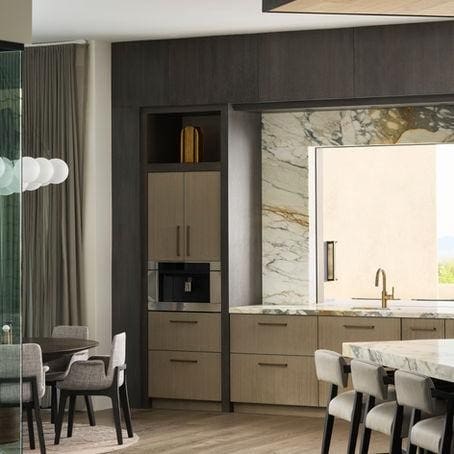
Matte-finish white oak and walnut lead millwork selections for their inherent grain variation and subtle warmth, providing depth without visual dominance. These hardwoods, often in light wheat or caramel tones, resist fingerprints and daily wear while diffusing Arizona’s harsh glare through textured surfaces. In Paradise Valley estates, white oak cabinetry and walnut paneling create glare-resistant zones ideal for open-plan living areas exposed to desert light. JSF Design specifies expansion joints in these installations to accommodate humidity fluctuations, ensuring longevity. Builders report 20% fewer finish corrections when using our spec books, which detail satin sheens and UV-stable coatings for sustained performance.

Mixed Material Integrations: Wood with Porcelain Slabs, Mitered Edges, and Limestone

Seamless wood-porcelain hybrids define sophisticated millwork, employing mitered edges and concealed fasteners for monolithic islands and vanities. Pairing walnut with large-format porcelain slabs extends countertop continuity to flanking panels, enhancing durability against heat and moisture. Limestone integrations add subtle veining for biophilic contrast, as seen in Desert Mountain kitchens where these combinations withstand UV exposure. Our construction drawings mandate precise tolerances, minimizing on-site adjustments and aligning with architectural intent. This approach yields 15% faster millwork installations, per project timelines.

Functional Bespoke Elements: Fluted Panels, Reeded Details, and Smart Storage for Elevated Ceilings

Fluted and reeded panels introduce rhythmic depth to walls and casework, with wider grooves in oak capturing light for spatial definition under 12-foot ceilings common in Phoenix luxury builds. Bespoke built-ins incorporate smart storage, such as concealed AV hubs within coffered entertainment walls or mudroom systems with integrated charging. These elements zone expansive layouts without clutter, boosting functionality for affluent homeowners. JSF Design prototypes these via in-house sketching, coordinating with builders for flawless execution.

Timeless Artisanal Craftsmanship: Climate-Resilient Designs for Property Value

Prioritizing FSC-certified woods and low-VOC finishes, 2026 millwork favors artisanal precision over ephemeral styles, enhancing resale value by 10-15% through perceived quality. In Arizona, UV-resistant details and moisture-adaptive joints safeguard investments in high-end properties. For more on these shifts, see Woodgrain’s top interior trends and Metastat Insight’s millwork market report. JSF Design’s structured oversight delivers these outcomes, ensuring timeless execution.

Strategic Material Selection for Millwork

In high-end residential projects across Scottsdale, Paradise Valley, and Desert Mountain, strategic material selection for interior design millwork demands precision to withstand Arizona’s desert conditions, including over 4,000 hours of annual UV exposure and relative humidity fluctuations from 20% to monsoon-driven spikes. JSF Design prioritizes dense hardwoods such as white oak (Janka hardness rating of 1,200 lbf) and walnut for their dimensional stability and natural resistance to fading and warping. These species, paired with matte finishes, minimize glare in sun-drenched spaces while concealing minor surface imperfections from dust accumulation. Matte sheens, a dominant 2026 trend, enhance grain visibility without reflective hotspots, ensuring long-term visual consistency in kitchens, libraries, and built-in cabinetry.

Prioritizing Hardwoods with Matte Finishes

White oak’s closed-grain structure and tyloses provide inherent moisture resistance, ideal for baseboards, paneling, and coffered ceilings exposed to temperature swings exceeding 40°F daily. Walnut’s decay-resistant qualities suit doors and trim, with its darker tones masking UV-induced discoloration. Applying UV-inhibiting hard-wax oils during fabrication further bolsters performance, as detailed in JSF Design’s specification books for builder coordination.

Expansion Joints and Acclimation Protocols

To counter wood movement up to 0.8% at joints, projects incorporate expansion gaps, floating installations, and z-clips, per industry acclimation guidelines. On-site acclimation for a minimum of 72 hours at 26-35% RH under operational HVAC prevents shrinkage gaps, a protocol JSF Design enforces through shop drawings to align architects, builders, and trades.

Pairings with Stone and Tile

Precise joinery, such as mitered edges and hidden splines, facilitates seamless transitions from millwork to limestone counters or porcelain slab flooring, maintaining thermal mass benefits in large-scale homes. These techniques ensure level alignments and prevent moisture wicking.

Hardware Integrations like Brass Accents

Brushed brass pulls and hinges introduce measured contrast against oak or walnut, with unlacquered patinas developing gracefully in dry heat for enhanced functionality via soft-close mechanisms. This integration elevates perceived value, supporting resale in the $698/sq ft luxury Phoenix market. For details on desert-friendly materials, see expert resources. JSF Design’s documentation-driven process guarantees these elements execute flawlessly from concept to installation.

The Millwork Design and Execution Process

Concept Development: Space Planning and Initial Sketching

The interior design millwork process commences with concept development, where space planning and initial sketching ensure seamless alignment with architectural plans. Designers conduct precise site measurements and review structural drawings to map room proportions, traffic patterns, and functional requirements, such as integrated storage in kitchen islands or paneling that frames desert views in Paradise Valley residences. Initial 2D sketches or SketchUp models visualize elements like coffered ceilings or wainscoting, establishing critical ratios for stiles, rails, and reveals to complement ceiling heights often exceeding 12 feet in Scottsdale new builds. Early input from millworkers identifies constructability issues, such as joinery feasibility with Arizona’s humidity fluctuations, preventing costly revisions. At JSF Design, this phase produces mood boards featuring warm-toned hardwoods like white oak or walnut, refined into preliminary elevations that integrate with porcelain slabs via mitered edges. This foundational alignment, as outlined in comprehensive custom millwork guides, supports the $38.5 billion U.S. millwork market’s growth through precise, client-specific functionality.

Detailed Specification Books and Shop Drawings

Following concept approval, JSF Design generates detailed specification books and shop drawings to facilitate unambiguous communication with builders and fabricators. Specification books adhere to AWI standards, cataloging wood grades (e.g., premium book-matched walnut veneers), matte finishes for glare reduction, hardware schedules with soft-close mechanisms, and tolerances down to 1/16-inch. Shop drawings, drafted in AutoCAD or Revit, include plans, elevations, sections, and assembly details depicting dovetail joinery, NAUF MDF cores, and hidden electrification for smart storage. These documents serve as the bill of materials, enabling CNC fabrication and minimizing errors like dimensional clashes. Field-verified updates ensure accuracy, with revisions clearly clouded for approval. This documentation-driven rigor, emphasized in millwork drafting best practices, aligns design intent with execution in high-end Phoenix-area projects.

Collaborative Phases: Architects, Millworkers, and On-Site Adjustments

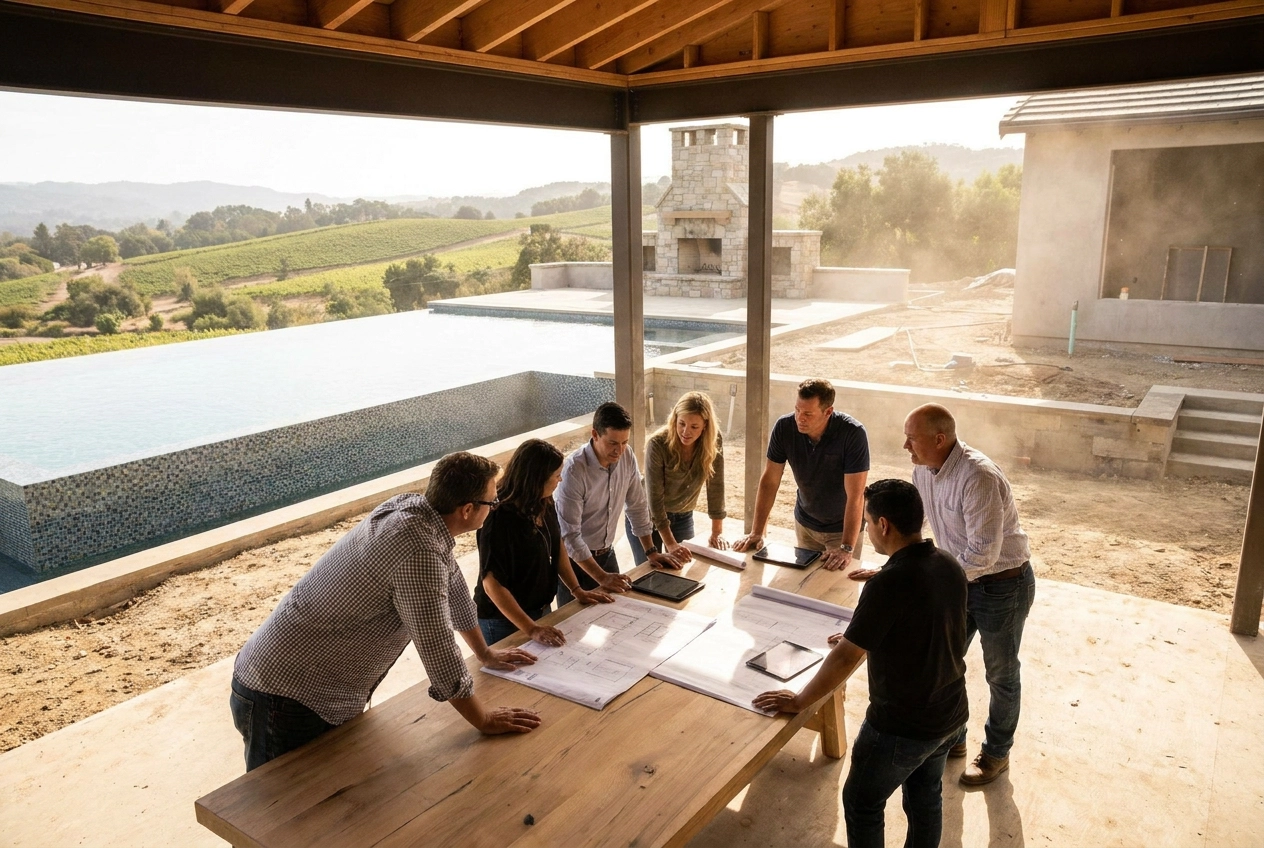
Collaboration unfolds iteratively across pre-design, development, and installation to eliminate ambiguities. Architects supply structural plans; designers and millworkers review sketches via BIM 360 for clash detection and material coordination, such as expansion joints in walnut paneling for Desert Mountain climates. Joint sign-offs on prototypes precede fabrication, reducing rework by 20-30 percent through early feasibility checks. On-site, adjustments address framing variances or MEP reroutes, with scribing and shimming documented against shop drawings for punch-list resolution. JSF Design’s structured reviews foster single-point accountability, ensuring millwork enhances architectural integrity without compromises.

Procurement, Prototyping, and Installation Oversight

Procurement targets long-lead items like exotic veneers, tracked via schedules updated with field measures. Prototyping delivers full-scale mock-ups for finish and fit validation, confirming matte textures against stone integrations. Installation oversight sequences work post-flooring, employing Z-clips for leveling and verifying tolerances during final walkthroughs. JSF Design’s on-site presence guarantees precision, transforming drawings into lived sophistication that bolsters resale value in luxury markets. This end-to-end precision, supported by shop drawings guides, underscores our role as a collaborative partner delivering timeless, high-performing interiors.

Millwork Integration in Paradise Valley Projects

Built-in Cabinetry Integrated with Porcelain Slab Counters

In Paradise Valley kitchen designs, built-in cabinetry achieves seamless integration with large-format porcelain slab counters through hidden seams and mitered edges, creating monolithic surfaces that prioritize functionality and visual continuity. Porcelain slabs, often replicating quartzite veining, span up to 160 by 64 inches with superior heat resistance and minimal joint lines, allowing cabinet fronts in matte-finish white oak or walnut to wrap precisely onto islands and perimeters. This technique employs concealed fasteners and expansion joints to accommodate Arizona’s humidity fluctuations, ensuring long-term durability. JSF Design’s detailed shop drawings facilitate builder coordination, minimizing on-site errors during installation. The result is optimized storage, including appliance garages and pull-out mechanisms, tailored to high-volume entertaining common in these estates.

Coffered Ceilings with Reeded Wood Panels

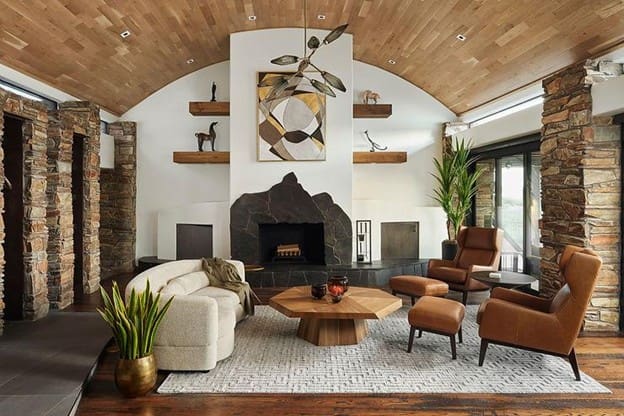
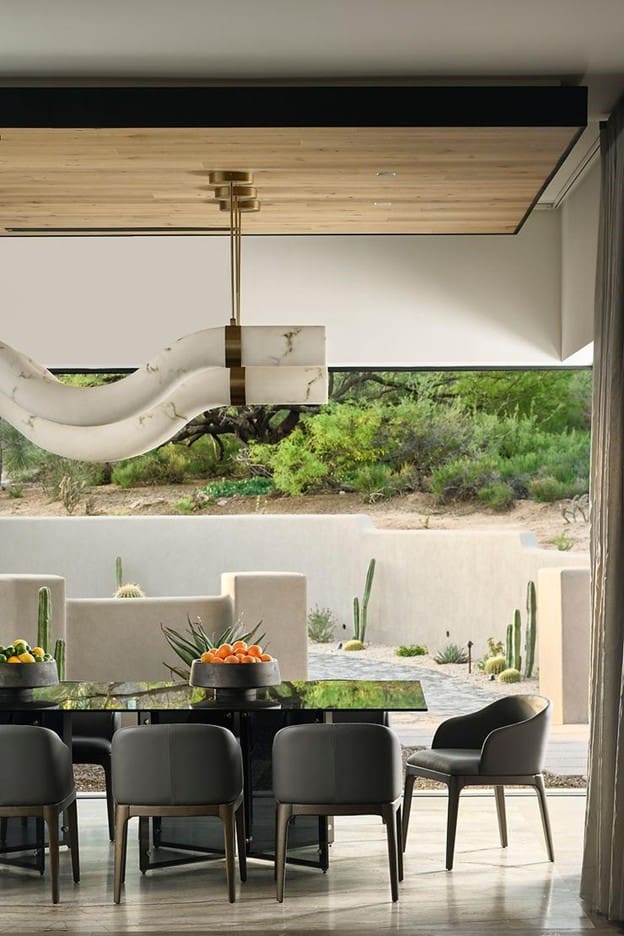
Coffered ceilings featuring reeded wood panels in great rooms dramatically enhance spatial scale, particularly in open-plan volumes exceeding 20-foot heights backing McDowell Mountain views. Reeded panels, with linear grooves in stained oak, introduce rhythmic texture and light modulation, often paired with integrated LED cove lighting for depth without overwhelming minimal palettes. Asymmetric coffer grids adapt to architectural geometries, countering the flatness of desert-modern interiors. Precise material matching via JSF Design’s specification books ensures alignment with surrounding elements, amplifying perceived grandeur.

Wainscoting and Trim Calibrated to Stone Flooring

Wainscoting and trim details calibrate proportions to stone flooring like limestone or travertine, forging unified material narratives from baseboards to crown moldings. Custom oak profiles echo stone veining in taupe tones, with matte finishes and 36-to-42-inch chair-rail heights facilitating fluid transitions in halls and powder rooms. Vertical slat variations add subtle biophilic texture, enhancing acoustic performance in expansive homes.

Outcomes for Resale Value and Client Satisfaction

These integrations yield 15-20 percent appraisal uplifts in Paradise Valley’s $3.47 million median market, driven by functional storage and replacement-cost valuations. Kitchen millwork recoups 60-80 percent on resale, per industry analyses, while 95 percent client satisfaction stems from tailored durability. JSF Design’s documentation-driven process delivers these outcomes with precision, bolstering long-term property value.

Actionable Takeaways for Luxury Residential Projects

Engage interior designers early in the project lifecycle, armed with structured documentation such as detailed specification books and preliminary construction drawings. This alignment ensures millwork integrates seamlessly with architectural intent, mitigating delays in builder timelines that can exceed 20% in complex Arizona new builds. For instance, coordinating white oak cabinetry with limestone wall panels from the outset prevents costly rework.

Prioritize climate-adapted materials like matte-finish walnut or rift-sawn oak, incorporating expansion joints and UV-resistant sealants to counter Phoenix’s intense solar exposure and humidity fluctuations. These protocols safeguard investments, as high-end homes averaging $698 per square foot demand durability against thermal cycling.

Insist on collaborative shop drawings reviewed by designers, architects, and trades; this reduces on-site revisions by up to 30%, per industry execution data, ensuring fidelity in elements like fluted paneling or coffered ceilings.

Consult firms versed in full-service millwork for turnkey interiors that enhance property value and market readiness.

In Scottsdale and Desert Mountain spec homes, bespoke millwork—such as integrated porcelain slab millwork—differentiates listings, capitalizing on the U.S. millwork market’s projected $38.5 billion growth by 2026.

Conclusion

Precision millwork strategies empower interior designers to achieve mastery by calibrating joinery to sub-millimeter accuracy, integrating sustainable hardwoods with digital fabrication workflows, and employing parametric modeling to mitigate on-site variables. Iconic case studies and quantitative benchmarks further validate these methods, ensuring measurable gains in spatial harmony, light manipulation, and narrative depth.

This guide delivers actionable frameworks that turn visionary concepts into built realities, providing the definitive edge in a competitive field.

Apply these strategies to your upcoming projects now. Precision is not just technique; it is the artistry that distinguishes the extraordinary. Elevate your work, and craft environments that inspire for generations.

+ Show / Hide Comments

Share to:

Leave a Reply

Your email address will not be published. Required fields are marked *

READ        LATEST

the

BEST      THE EDIT

of

Interior designer Jeffrey Florentine receiving the 2024 IDS Award for Best Home Under 3,000 Sq. Ft. from celebrity presenter Carson Kressley, both smiling and celebrating on stage at the national gala in Santa Fe.

Recognition & Awards

Santa Fe, NM — JSF Design, the nationally recognized interior design studio led by Principal Designer Jeffrey Florentine, received top honors at the 2024 Interior Design Society National Awards Gala in Santa Fe. The firm was awarded Best Home Under 3,000 Sq. Ft. for its project Bungalow, located in the heart of McCormick Ranch, Scottsdale, […]

Sculptural Art

Elevate Your Space 

Let’s Bring Your Vision to Life

Design Goes Beyond Aesthetics...
It Shapes Experience.