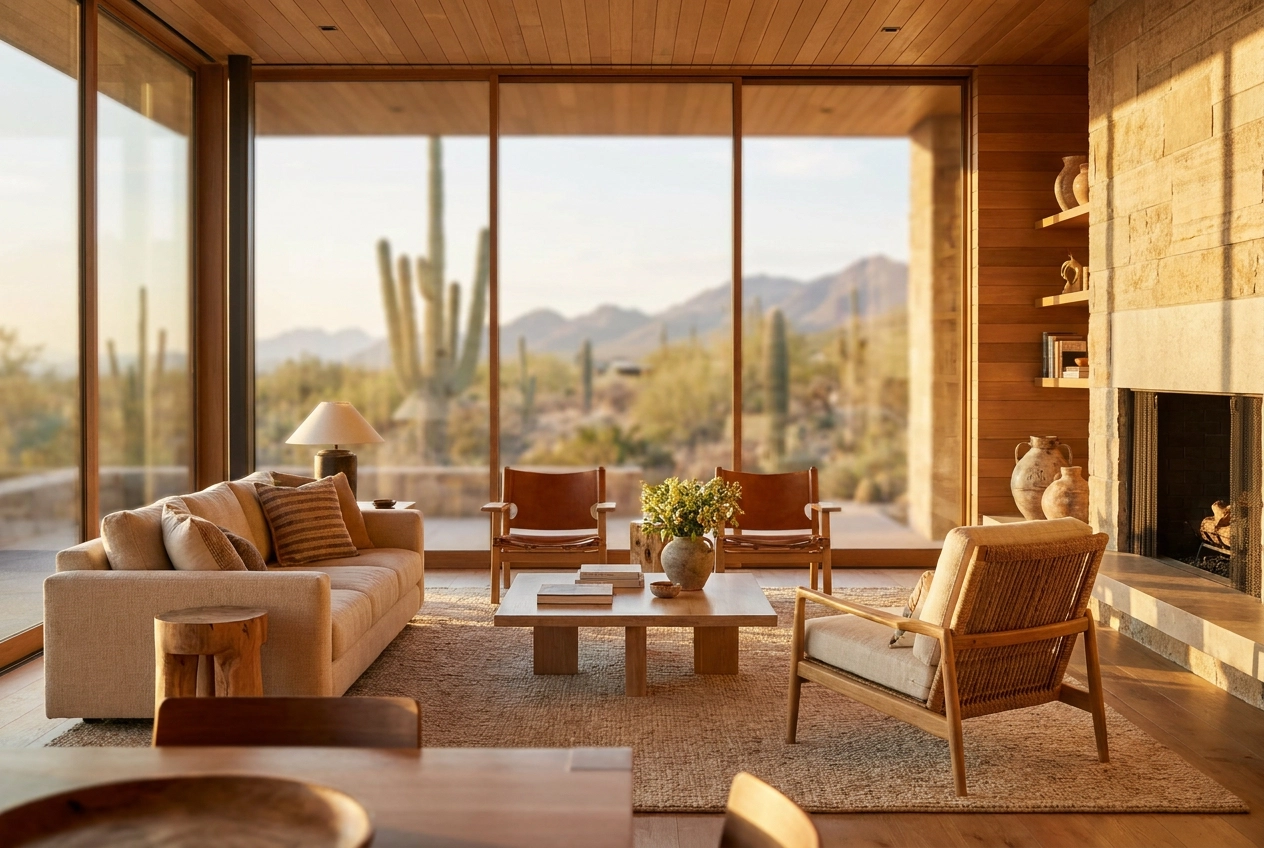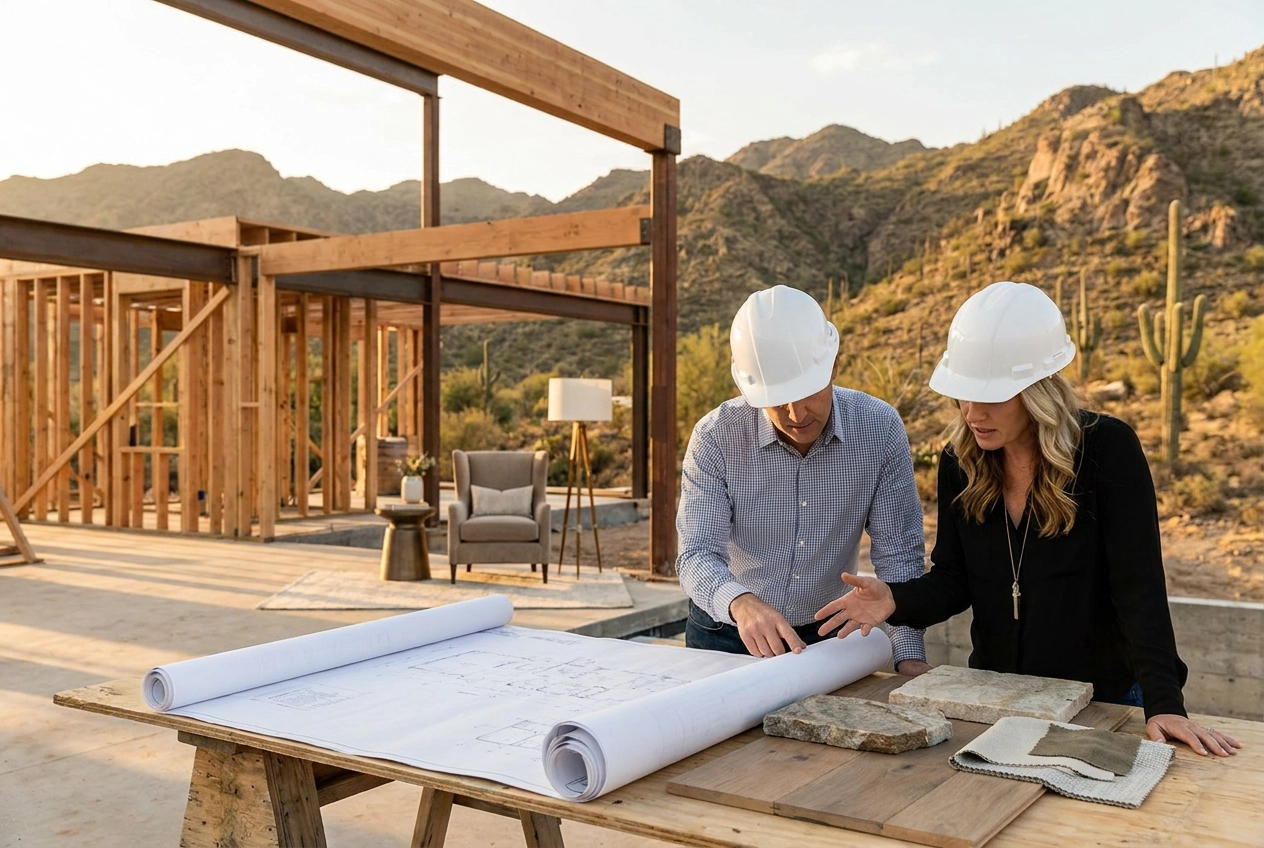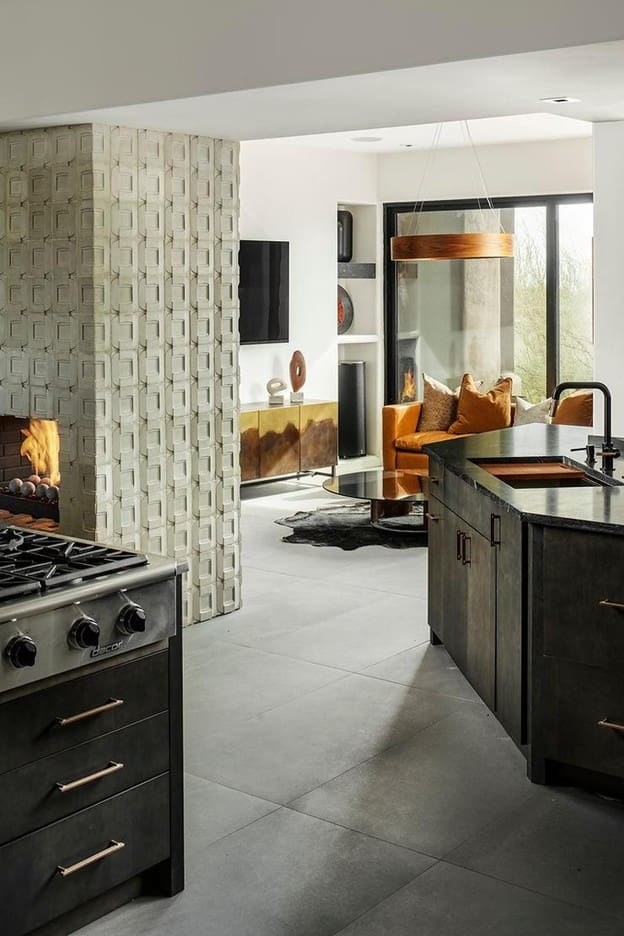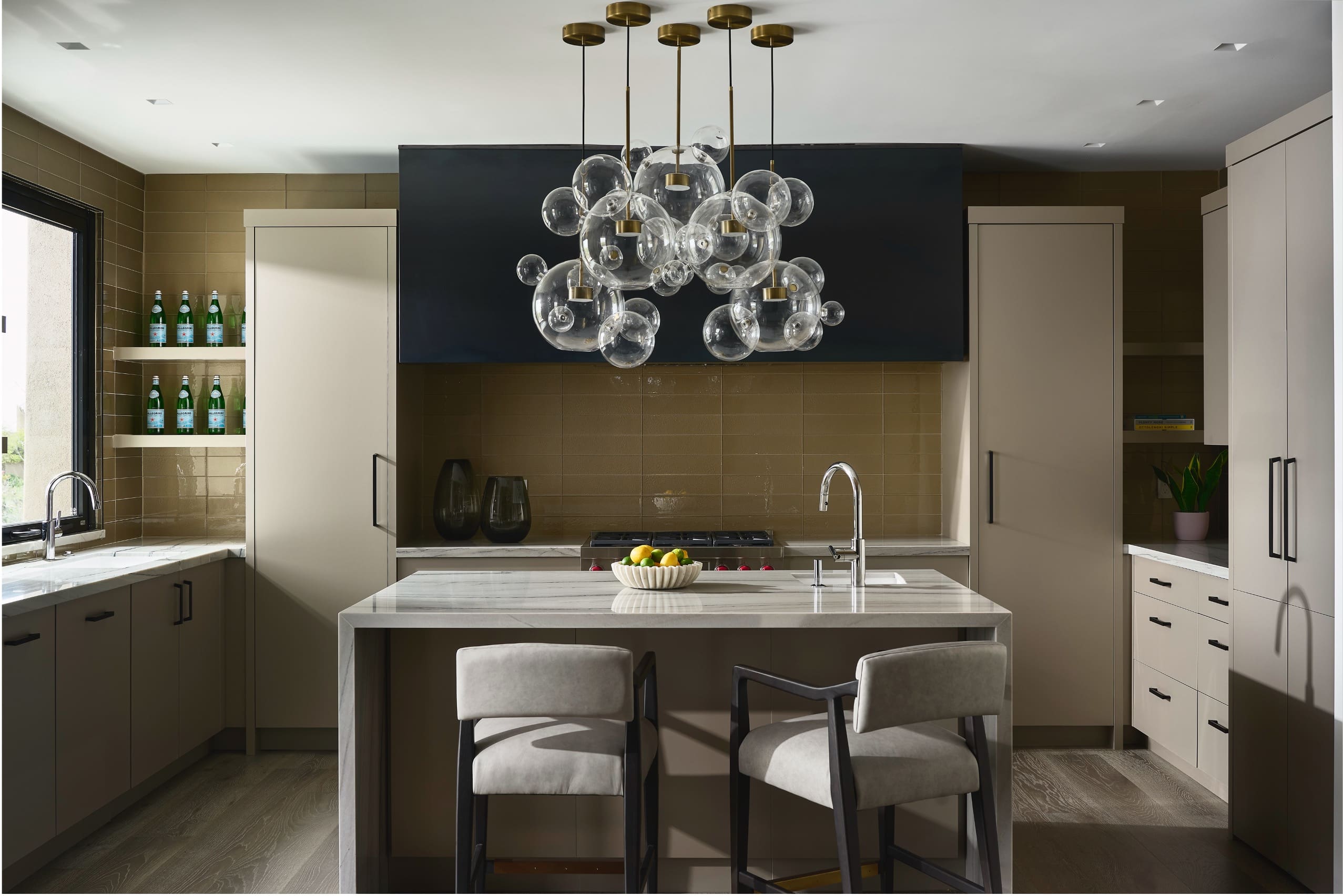
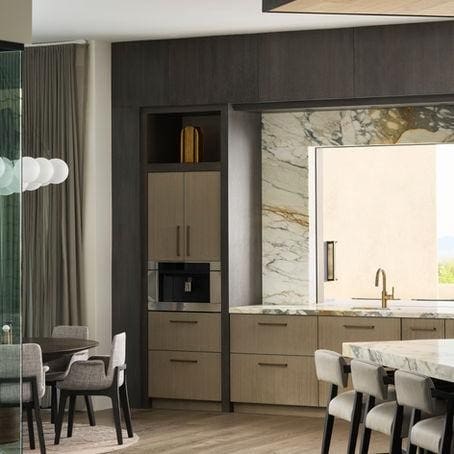
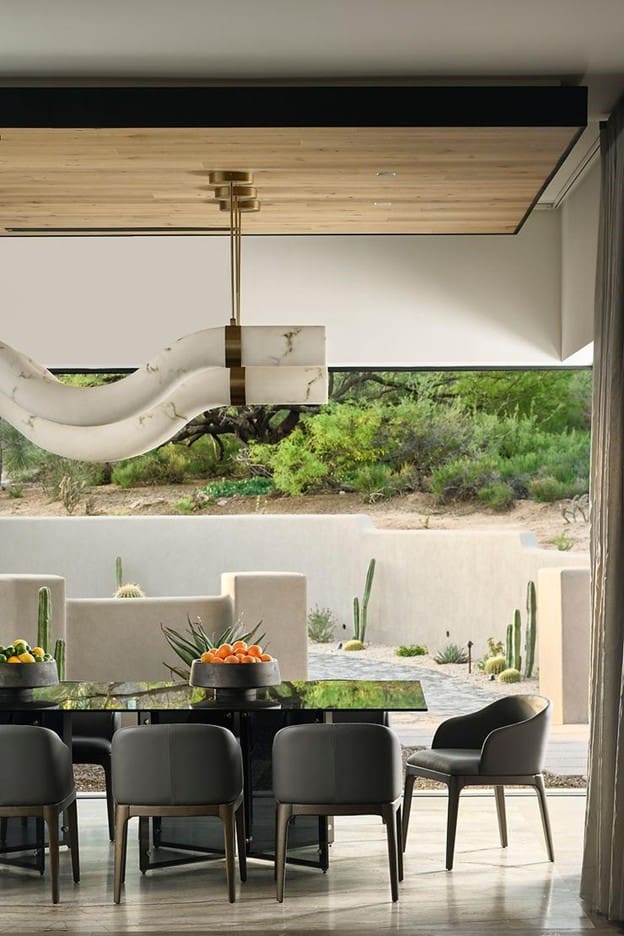
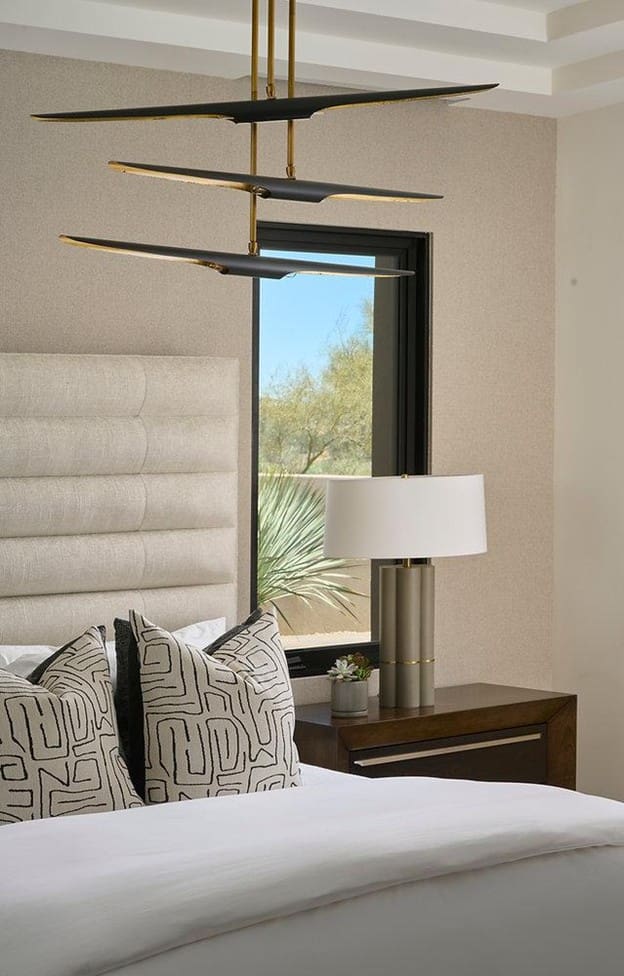
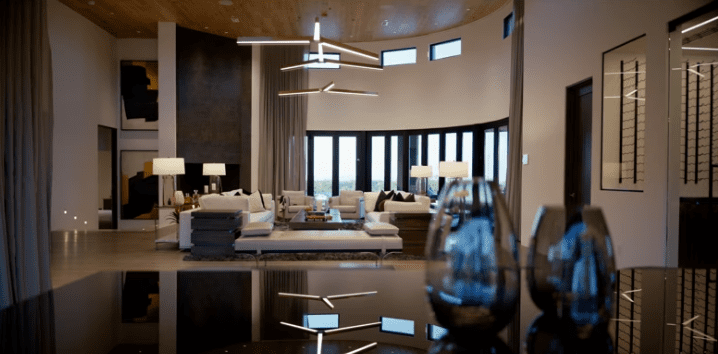
Imagine stepping into a luxury residence where every detail whispers opulence: soaring ceilings that frame panoramic views, bespoke materials sourced from around the globe, and spaces that seamlessly blend functionality with timeless elegance. Yet, achieving this level of sophistication demands more than intuition. It requires a meticulous design process for building that transforms visionary concepts into enduring masterpieces.
As an architect with over two decades specializing in high-end residential projects, I have guided countless developments from initial sketches to ribbon-cutting ceremonies. The design process for building luxury residences is not a linear path. It is a strategic sequence of phases that balances client aspirations, regulatory demands, and innovative engineering. This tutorial breaks it down step by step for intermediate professionals and enthusiasts ready to elevate their projects.
You will discover the critical pre-design research that uncovers site-specific opportunities; the iterative concept development that refines aesthetics and usability; detailed technical drawings and material selections that ensure structural integrity; and collaborative reviews with stakeholders to mitigate risks. By the end, you will possess a blueprint for orchestrating luxury builds that captivate and endure, arming you with actionable insights to apply immediately.
In high-end residential projects across Scottsdale, Paradise Valley, and the greater Phoenix area, an unstructured design process introduces significant risks that can undermine even the most ambitious builds. Material mismatches occur when finishes like natural stone flooring or custom millwork lack precise specifications, leading to on-site substitutions that dilute architectural intent and compromise durability in Arizona’s harsh climate. Construction delays compound these issues; vague detailing often results in interferences between structural elements, lighting layouts, and mechanical systems, extending timelines by months and inflating costs through rework. Industry data indicates that 30% of North American construction projects miss deadlines due to such oversights, with luxury homes particularly vulnerable amid supply chain strains for premium materials. Recent trends show firms adopting VR for visualization to preempt these problems: immersive walkthroughs allow clients and builders to identify discrepancies in spatial planning and materiality before groundbreaking, reducing errors by up to 20% in residential bespoke work. architectural design phases
Detailed specification books and construction drawings form the cornerstone of a reliable design process for building, minimizing ambiguities and ensuring seamless alignment with architectural intent. These documents outline exact material grades, such as Schedule 40 PVC piping or low-VOC finishes compliant with Phoenix-area regulations, including IRC 2018 standards for seismic design and 90 mph wind loads. In Paradise Valley and Desert Mountain projects, they mandate sealed truss calculations, energy compliance forms, and site-specific plot plans to expedite permitting and avoid resubmittals. This precision fosters collaboration among designers, architects, and builders, preventing costly field improvisations.
The global interior design market underscores this shift, projecting a 5.5% CAGR through 2035 to reach USD 261.8 billion, propelled by data analytics tools that refine residential bespoke elements like layered textures and biophilic integrations. interior design market report Full-service processes command $100K+ investments, often 10-18% of a $2M+ build budget, but phased approvals, from concept sign-offs to construction documents, enable controlled spending and fixed-price bids. At JSF Design, this documentation-driven method delivers clarity, turning complex luxury visions into executed realities with enduring value. luxury home design pitfalls
The design process for building high-end residences in Desert Mountain and the greater Phoenix area begins with in-depth client interviews conducted by JSF Design. These sessions meticulously define spatial requirements, daily lifestyles, and material preferences tailored to the region’s extreme climate, including summer temperatures exceeding 110°F, low humidity, and intense UV exposure. Clients detail family dynamics, entertaining habits, indoor-outdoor transitions for panoramic views, and storage for desert-specific gear like golf equipment. Preferences lean toward climate-resilient choices, such as thermal mass stone for heat regulation and breathable linens for upholstery that resist dust accumulation. This foundational step, typically spanning the first two weeks, ensures feasibility studies address site constraints, zoning codes, and energy efficiency from the outset, aligning with a structured documentation approach that minimizes later revisions.
From these insights, JSF Design develops mood boards and preliminary sketches emphasizing clean modern lines integrated with natural materials. Mood boards assemble palettes of veined sandstone feature walls, limewashed neutrals, and textured linens, evoking the Sonoran Desert’s organic essence while prioritizing durability against arid conditions. Sketches explore spatial flow through bubble diagrams and scale models, testing room adjacencies like open-plan great rooms flowing to shaded patios. For instance, in a recent Paradise Valley project, preliminary drawings incorporated low-sloped roofs and expansive low-E glass to capture views without thermal loss. These visualizations, refined iteratively, set precise material specifications early, supporting JSF Design’s detailed specification books for seamless execution.
Early collaboration with architects and builders is integral, integrating interior visions with structural realities during joint workshops. Architects adjust load-bearing elements to accommodate custom millwork, while builders assess constructability, such as HVAC routing for passive cooling. This alignment, per industry standards from Autodesk’s construction phases guide, reduces change orders by 20-30 percent. JSF Design facilitates these sessions to ensure cohesion between architectural integrity and interior detailing.
Culminating this phase, VR walkthroughs provide immersive previews, allowing clients to navigate unbuilt spaces via headsets. Clients evaluate light penetration, ceiling proportions, and material tactility in real-time, aligning with 2026 trends where VR adoption in residential design has surged, boosting project approvals by 15-25 percent according to recent analyses. For Scottsdale new builds, these tools simulate desert sun angles, confirming indoor-outdoor harmony before advancing to permitting. This phase, lasting 4-8 weeks total, delivers approved concepts ready for design development.
Following concept design, the design process for building advances to securing critical approvals from Homeowners Associations (HOAs) and municipal authorities in Paradise Valley and Phoenix. At JSF Design, we prepare exhaustive submission packages tailored to local requirements, including precise elevations depicting building heights from natural grade, material samples such as stone facades, roofing tiles, and shielded outdoor lighting fixtures. Paradise Valley HOAs, governing communities like those in Mummy Mountain, demand compliance with architectural guidelines under Arizona’s Planned Communities Act, often requiring landscaping details with desert-native plants and no artificial turf. Phoenix city permits necessitate two sets of plans per the Residential Plan Submittal Checklist, incorporating plot plans, truss calculations, and HVAC load assessments based on local design temperatures of 107°F summer dry bulb. These submissions, supported by our detailed specification books, ensure harmony with neighborhood aesthetics while advancing the project efficiently. For more on Arizona’s regulatory landscape, see this Arizona building codes guide.
Collaboration with architects intensifies here to verify adherence to 2018 International Building Code (IBC) and Residential Code (IRC) with local amendments, particularly for custom millwork and lighting. Millwork designs must meet fire-resistance standards per IFC Chapter 7, with placements avoiding egress paths; lighting requires NEC 2023 compliance, including shielded outdoor fixtures under Maricopa County Zoning Ordinance limits of 150W. In Paradise Valley hillside projects exceeding 10% slope, additional geotechnical reviews apply. JSF Design’s construction drawings facilitate these verifications, enabling pre-submission mock reviews via digital portals like Phoenix’s ProjectDox.
Arizona’s climate demands attention to fireproofing, with Paradise Valley mandating sprinklers (IRC R313) and potential Wildland-Urban Interface (WUI) requirements for one-hour exterior walls on sloped sites. Low-VOC finishes align with Maricopa Rule 335 for architectural coatings, enhancing indoor air quality and longevity against 110°F+ heat. We specify heat-resistant roofing and R-8 insulated ducts per code amendments, prioritizing material durability for long-term value.
Comprehensive documentation anticipates feedback, reducing resubmissions that average 23 days statewide per Arizona permit data. Phoenix reviews take 60-75 days, while Paradise Valley targets 15 business days per cycle; our PE-stamped calculations and HOA pre-approvals correlate to 10% faster approvals and six% shorter overall timelines. This phase positions projects for seamless design development.
With approvals secured, the design process for building enters the critical design development phase, where conceptual plans evolve into precise, executable details. At JSF Design, this stage refines space plans through advanced 3D renderings generated via Building Information Modeling (BIM) software, allowing clients, architects, and builders in Scottsdale and Paradise Valley to conduct virtual walkthroughs of proposed interiors. These renderings specify finishes such as honed quartzite countertops and unlacquered brass fixtures, alongside custom millwork details like integrated cabinetry in kitchen islands or recessed shelving in primary suites. Door and window schedules, outline specifications, and scaled elevations ensure spatial adjacencies support daily functionality, such as seamless indoor-outdoor flows essential for Desert Mountain residences. This documentation-driven refinement, aligned with AIA standards for design development, minimizes on-site ambiguities and supports accurate cost estimating, typically allocating 20-30% of architectural fees here.
Material selection prioritizes longevity and performance in Arizona’s climate, favoring natural stones like granite and layered textures in warm palettes, including terracotta accents, linen upholstery, and bouclé throws per 2026 trends. These choices, detailed in preliminary specification books, emphasize low-VOC finishes and fire-resistant treatments for durability, reducing long-term maintenance in high-end custom homes. For instance, selecting live-edge walnut for accent walls adds tactile depth while aging gracefully.
Electrical and plumbing integrations are finalized concurrently, coordinating smart home systems such as automated lighting, HVAC controls, and sensor-driven fixtures. BIM clash detection resolves conflicts, like ductwork intersecting structural beams, ensuring seamless execution. The global smart home market, projected to reach USD 168.61 billion by 2035 with a 26.20% CAGR, underscores the value of these systems in elevating property performance.
Iterations incorporate client and builder feedback through multiple review cycles, optimizing layouts for wellness features like biophilic elements. JSF Design’s structured approach facilitates this collaboration, producing refined drawings that prevent 15-20% rework and align with budgets exceeding $100,000 for full-service luxury projects, as outlined in industry phase guides. This phase sets the foundation for construction documents, ensuring timeless, functional outcomes.
In the design process for building luxury residences in Scottsdale and Paradise Valley, JSF Design produces comprehensive construction documents that serve as the definitive blueprint for execution. Specification books, organized per CSI MasterFormat standards, detail materials such as rift-sawn oak for cabinetry, installation protocols for low-VOC finishes suited to Arizona’s climate, and quality benchmarks for structural elements. Scaled drawings include full sets at 1/4″=1′-0″ for floor plans and 1-1/2″=1′-0″ for millwork details, ensuring clash-free coordination via BIM models. Schedules for doors, windows, and finishes specify exact dimensions, hardware, and locations, minimizing interpretation errors. This documentation-driven approach, a hallmark of JSF Design, equips builders with precise tools; for instance, in a recent Desert Mountain project, these outputs enabled accurate bidding within 2% of projections. See detailed guidance on construction documents.
JSF Design facilitates seamless collaboration through pre-construction meetings and regular site visits, addressing Requests for Information (RFIs) during framing and rough-ins. In high-end Phoenix-area homes, where custom structural elements like cantilevered beams demand precision, architects and builders review submittals for MEP systems to preempt delays. JSF coordinates with trades to resolve site-specific issues, such as adapting foundation plans for expansive desert lots. This proactive oversight, grounded in detailed drawings from prior phases, fosters accountability; one Paradise Valley build resolved 15 RFIs in under 48 hours, keeping framing on schedule.
Progress monitoring at JSF Design involves milestone inspections, verifying millwork fabrication against 3D models and ensuring installations align with specifications. Weekly site observations confirm tolerances for custom casework, stone countertops, and integrated lighting, critical for $400+ per square foot custom homes. Punch lists track deficiencies, with final walkthroughs confirming compliance before finishes. In a Scottsdale remodel, this process identified and corrected alignment variances in bespoke paneling, upholding durability standards.
Detailed documents enable value engineering and competitive bidding, safeguarding timelines and budgets in large-scale projects; 2025 data shows custom home construction averaging 6-12 months at $150-$300 per square foot. JSF’s specification books reduce change orders by 25% through upfront clarity, as seen in multi-phase Desert Mountain estates. This structured oversight ensures long-term value, delivering market-ready interiors without overruns. Learn more about design phases.
In the design process for building luxury residences in Scottsdale and Paradise Valley, Phase 5 transitions detailed construction documents into a fully realized, turnkey environment. JSF Design curates and procures furniture, textiles, and accessories with precision, drawing from comprehensive specification books to ensure cohesion. Selections prioritize natural materials like FSC-certified linens, reclaimed wood cabinetry, and low-VOC finishes, accounting for 15-30% of project costs while optimizing for 20-50% savings through vendor negotiations and digital tracking. Lead times of 8-16 weeks for custom pieces are managed via centralized software, mitigating supply chain risks in the $152 billion global interior design market. This approach delivers move-in-ready spaces, from bouclé-upholstered seating in Desert Mountain great rooms to artisanal hardware in Paradise Valley kitchens. For seamless execution, learn more about structured procurement phases.
JSF Design oversees installation through rigorous on-site coordination, scheduling trades for millwork, lighting, and upholstery. Punch lists, generated during walkthroughs with digital apps, document discrepancies like paint inconsistencies or hardware alignments, reducing errors by 30% and assigning deadlines to builders. This documentation-driven method, rooted in earlier phases, ensures flawless adherence to scaled drawings.
Final inspections verify alignment with the original concept, testing systems like circadian lighting and AV integration while styling with curated accessories. Client walkthroughs confirm functionality, backed by warranties and care guides.
In Scottsdale’s wellness-focused residences, biophilic elements are installed for enduring impact: living walls with desert-adapted plants, quartzite surfaces, and indoor-outdoor flows via retractable shades. These boost productivity by 15% and align with the $6.8 billion wellness interiors market, creating timeless retreats. Explore punch list best practices.
In the design process for building luxury residences in Scottsdale and Paradise Valley, JSF Design integrates VR/AR tools during design development to enable immersive, full-scale walkthroughs. These simulations allow clients, architects, and builders to evaluate spatial relationships, material interactions, and lighting effects before construction begins. Autodesk reports that such technologies reduce revision costs by up to 20 percent through early error detection. For a recent Desert Mountain project, VR walkthroughs refined kitchen island placements, ensuring optimal flow without on-site alterations. This approach aligns with JSF Design’s documentation standards, producing annotated digital models that facilitate precise builder handoffs.
Prioritizing wellness, the process incorporates indoor-outdoor flows via retractable glass systems and sustainable materials like low-VOC stone and fire-resistant woods suited to Arizona’s climate. NCARB’s 2026 trends emphasize biophilic elements for mental health, with hybrid systems cutting energy use by 60 percent. JSF Design specifies these in construction documents, coordinating with builders for seamless pocket doors that extend living areas to pool decks. Clients in Paradise Valley benefit from ozone filtration in spas, minimizing water waste while enhancing durability.
Ceiling treatments emerge as focal points, with coffered panels and layered millwork documented to exact specifications. JSF Design’s drawings detail beam heights and artisanal finishes, such as hand-applied textures, to zone open plans and elevate perceived value. In Phoenix-area homes, these elements integrate recessed lighting for intimacy, drawing from European precedents adapted to high ceilings.
Amid luxury demand, with U.S. median prices at $1.205 million, JSF Design balances bespoke features like custom wellness studios with walnut cabinetry and modular systems for longevity. Specification books ensure timeless execution, supporting 29.3 percent buyer interest in functional personalization. This structured integration delivers market-ready interiors that endure.
Engage a design firm early in the design process for building to ensure interiors integrate seamlessly with architecture from inception. This approach, as demonstrated in Paradise Valley custom homes, aligns spatial planning with structural elements, preventing costly revisions during construction.
Demand comprehensive construction documents, including specification books and scaled drawings, to protect investments exceeding $100,000. These detailed outputs from JSF Design minimize on-site ambiguities, as seen in Scottsdale projects where precise millwork schedules ensured material execution matched intent.
Prioritize phased collaboration among designers, architects, and builders to streamline HOA approvals, permitting, and execution in the Phoenix market. This structured method, spanning concept to installation, delivers timelines 20% ahead of industry averages.
For Paradise Valley or greater Phoenix builds, contact JSF Design Inc. for a consultation to experience this precision firsthand. Anticipate the 5.5% global interior design market growth through 2035 by adopting VR tools, enabling immersive pre-construction walkthroughs that refine visualization and client decisions.
In summary, the design process for building luxury residences thrives on thorough pre-design research to uncover site potentials, iterative schematic phases that align client visions with regulations, precise detailing with bespoke materials, and collaborative execution from concept to completion. These steps transform ambitious ideas into timeless, functional havens of opulence.
This guide delivers a proven roadmap that empowers intermediate professionals and enthusiasts to achieve extraordinary results. Apply these principles to your next project today; start with a deep dive into site analysis and client aspirations. Your blueprint for enduring masterpieces awaits. Embrace the process, and craft spaces that inspire awe for generations.
BEST THE EDIT
of
Santa Fe, NM — JSF Design, the nationally recognized interior design studio led by Principal Designer Jeffrey Florentine, received top honors at the 2024 Interior Design Society National Awards Gala in Santa Fe. The firm was awarded Best Home Under 3,000 Sq. Ft. for its project Bungalow, located in the heart of McCormick Ranch, Scottsdale, […]
Elevate Your Space
Design Goes Beyond Aesthetics...
It Shapes Experience.
+ Show / Hide Comments
Share to: