

Full-Service Interior Design vs. Retail Furniture: What’s the Difference?
September 11, 2026


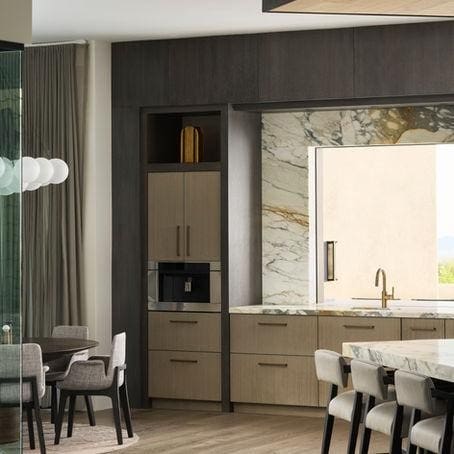
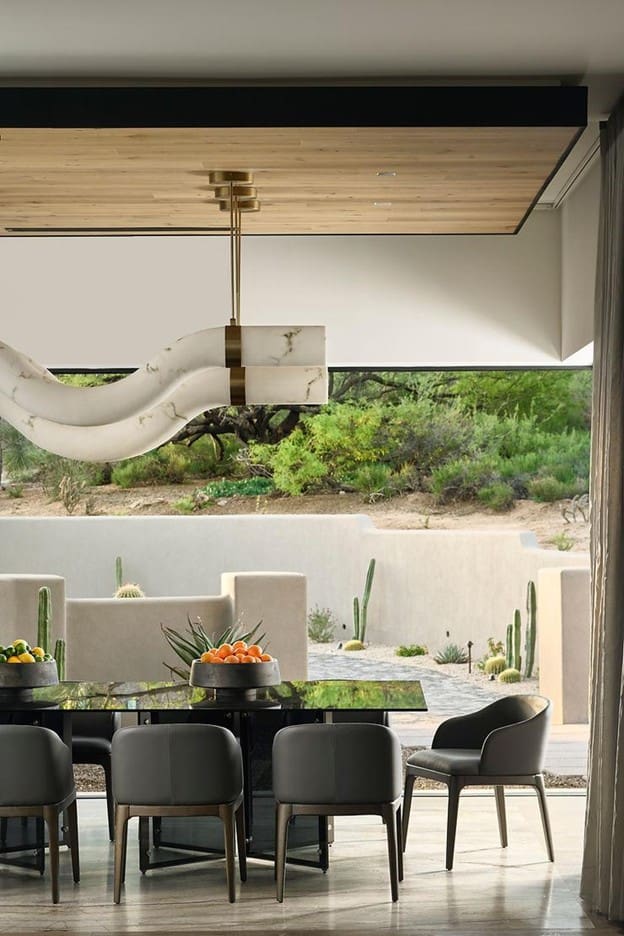
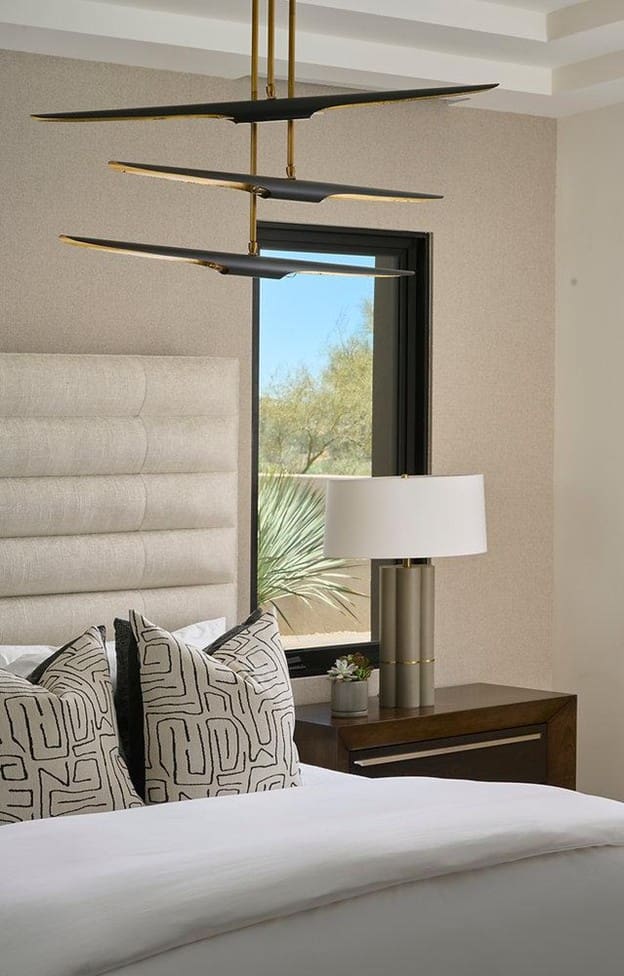
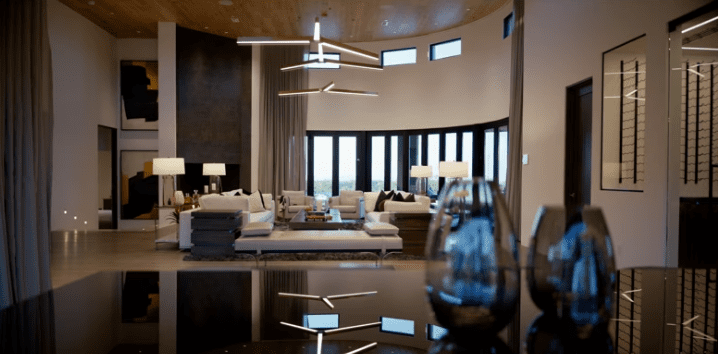
Retail furniture and full-service interior design can both produce beautiful rooms, but they solve very different problems. One is primarily a way to purchase products. The other is a professional process for shaping architecture, finishes, furnishings and installation into a complete home.
The distinction matters because many clients begin with a furniture question when the real issue is proportion, circulation, lighting or an unresolved relationship between rooms.
Retail begins with what is available
A retail showroom works from an existing assortment. A talented salesperson may help select a sofa, fabric and a few coordinating pieces, often with useful advice about scale and color. For a single room with straightforward needs, that can be entirely appropriate.
The limits appear when the room needs more than products. A catalog cannot change a poorly placed outlet, correct the height of a fireplace, coordinate window treatments with construction or design millwork around the client’s collection. Retail selections also arrive from many separate decisions, which can make a larger home feel assembled rather than composed.
Full-service design begins with the whole
A full-service interior designer starts before the shopping. We study the architecture, the site and the way the client lives. We establish the visual language of the home, then carry it through plans, interior elevations, materials, lighting, custom details and furnishings.
That broader view allows us to solve the cause of a problem rather than decorate around it. If a living room feels awkward, the answer may be a revised opening, a different fireplace composition or a custom piece designed to hold the correct scale—not another accessory.
Custom work changes what is possible
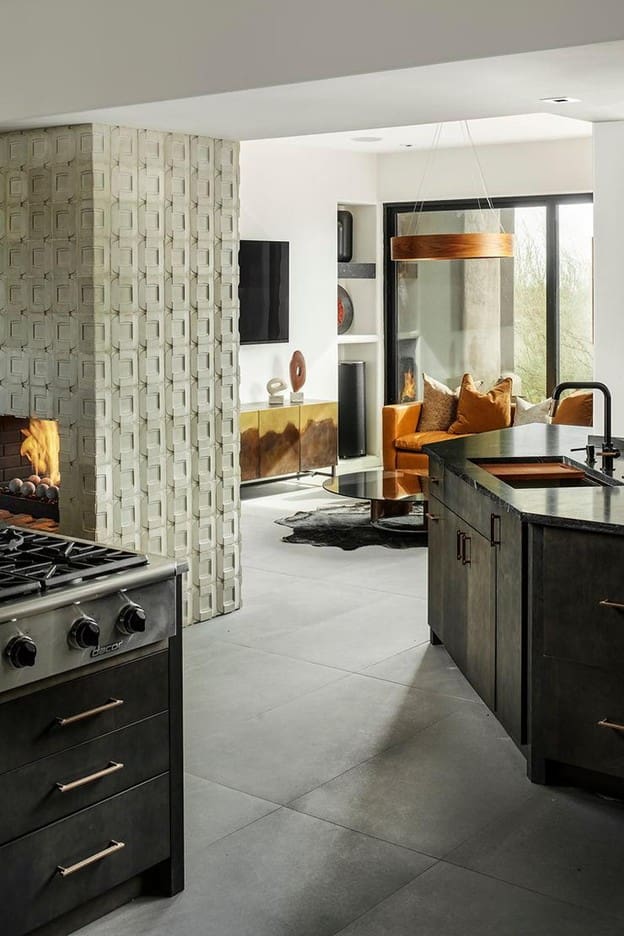
When the right piece does not exist, we design it. A custom sectional can respond to a room’s exact dimensions. A dining table can be proportioned to the architecture and the way the client entertains. Millwork can conceal technology, display art and resolve an elevation as a whole.
Custom does not mean everything must be one of a kind. The strongest homes combine bespoke pieces, carefully sourced furnishings, art and select retail items. The value lies in knowing where customization will make a meaningful difference.
Procurement is part of the service
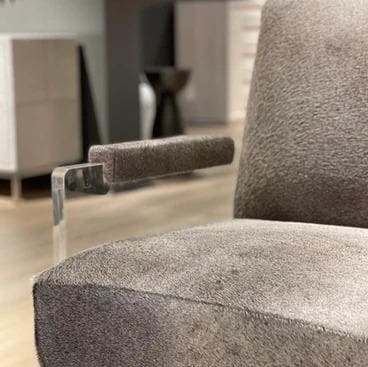
Specifying a room is only half the work. Full-service design includes pricing, approvals, ordering, tracking, receiving, inspection and resolution when something arrives damaged or incorrect. Goods are consolidated and prepared so the home can be installed intentionally rather than delivered in fragments over many months.
This structure is especially important for custom homes and second residences. The design team becomes the client’s advocate across vendors, fabricators, warehouse teams and installers, protecting both the selections and the final presentation.
Installation completes the composition
A finished JSF project is installed as a whole. Furniture is placed, art is hung, lighting is adjusted and accessories are styled with an editorial eye. The client does not walk into a room filled with boxes and a list of remaining decisions. They experience the home as it was envisioned.
That final layer may look effortless, but it is the result of measurement, scheduling, quality control and hundreds of earlier decisions aligning at once.
Which approach is right for your project?
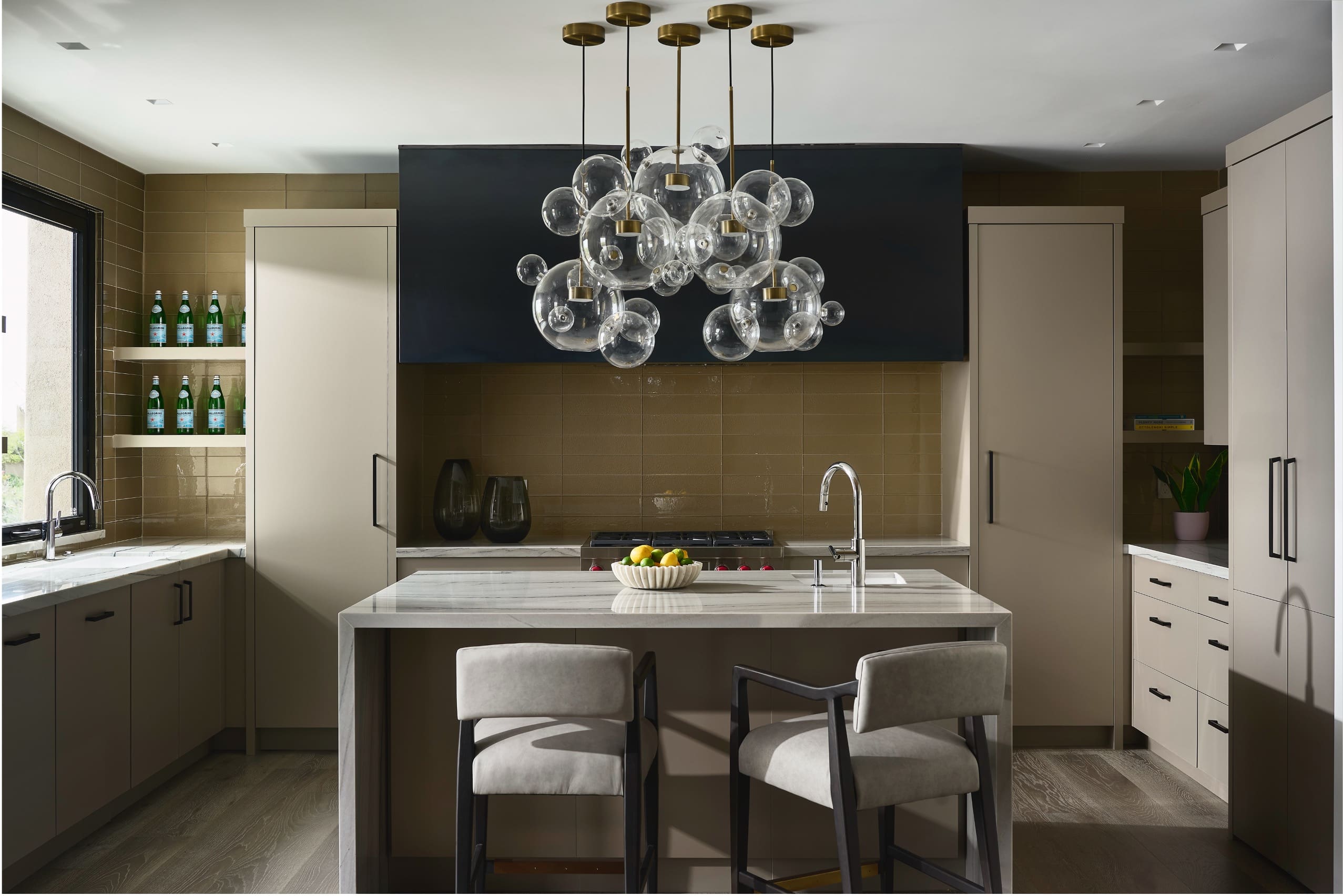
Retail can be a sensible choice when you need a few pieces, already have a resolved room and are comfortable managing deliveries and installation. Full-service design is the better fit when you are building, renovating, furnishing several connected spaces or want one team to oversee the details from concept through reveal.
The question is not whether one path is universally better. It is whether the scope of service matches the complexity of the result you expect.
If your project calls for a fully integrated approach, view the JSF Design process or begin a conversation with our studio.




BEST THE EDIT
of

The collaboration between Jeffrey Florentine of JSF Design and Antolini began with a shared conviction: natural stone should shape architecture, not simply finish it. Featured by Modern Luxury Scottsdale, Elementa is a collection developed with Antolini to explore how texture, proportion, light and repetition can give stone a more architectural role in the home. Jeffrey […]
Elevate Your Space
Let’s Bring Your Vision to Life
Design Goes Beyond Aesthetics...
It Shapes Experience.

+ Show / Hide Comments
Share to: