



A professional interior design mood board is not a collage of rooms to copy. It is a working document that gives the project an emotional and visual direction before individual selections begin to multiply.
At JSF Design, the mood board sits between conversation and specification. It translates what we have learned about the client, the architecture and the setting into a point of view the entire team can understand.
It begins with atmosphere
Clients do not always describe a room in design language, nor should they need to. They may want a home to feel grounded, luminous, collected, private or relaxed. The mood board gives those words a visual form.
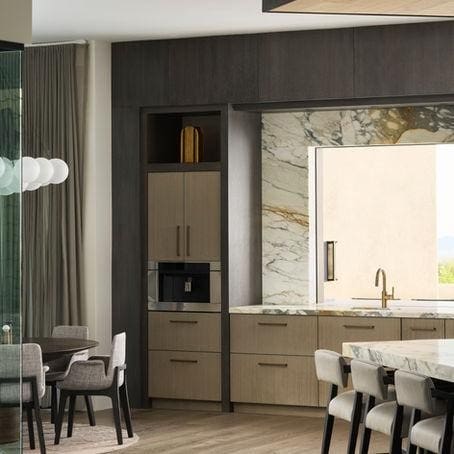
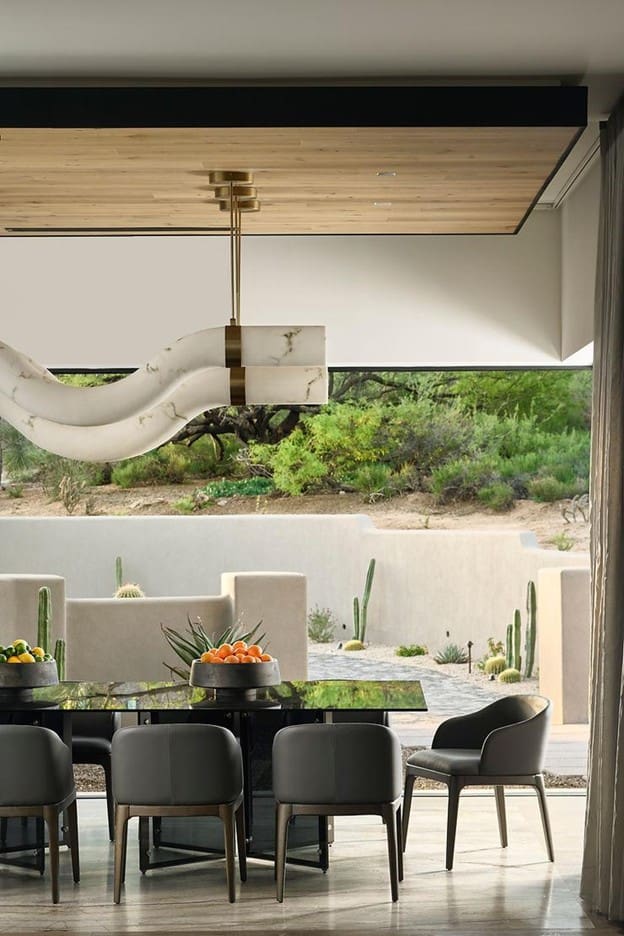
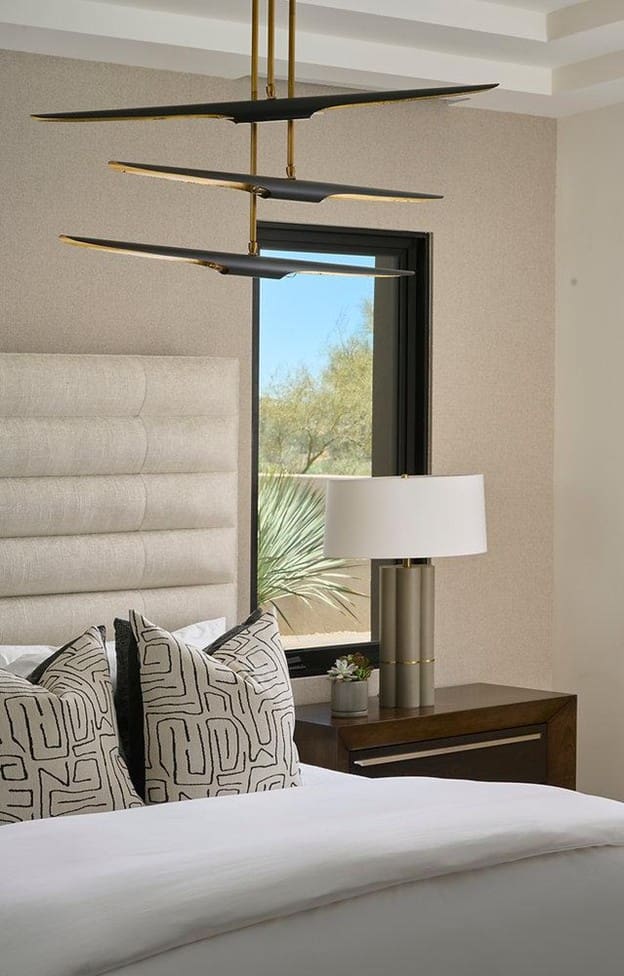
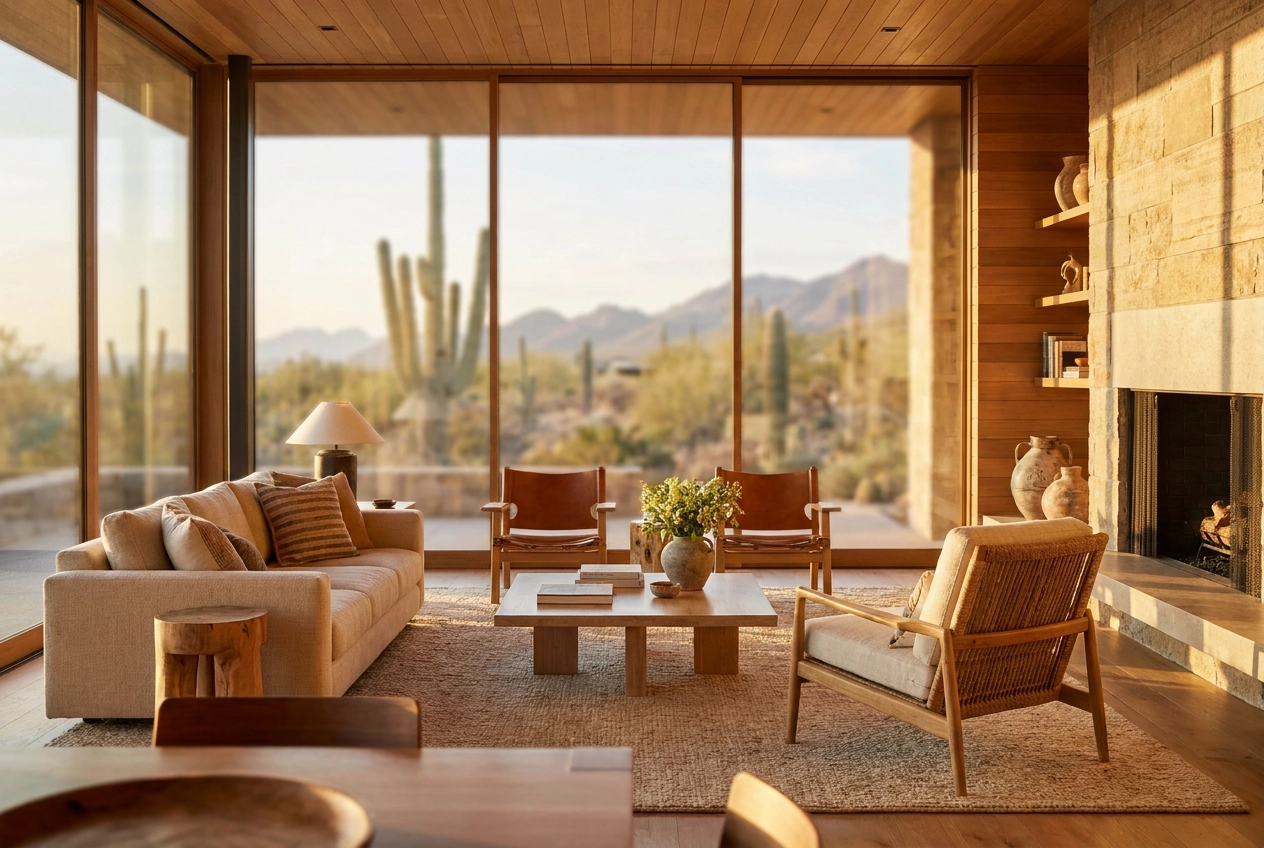
We may include landscape, art, fashion, architecture or a close view of a material. Not every image is literal. A photograph of weathered stone may be about texture; a tailored jacket may suggest proportion; a desert shadow may establish contrast. The purpose is to identify qualities, not products.

It establishes a material hierarchy
A strong board begins to show which materials will lead and which will support. Is stone the primary architectural voice, or should wood carry more warmth? Are metals quiet and dark, or do they bring a subtle glow? Should textiles create softness through color, texture or both?
These relationships matter more than any isolated finish. A sample that looks beautiful by itself may be too active beside the stone or too cool in the site’s light. The mood board allows us to evaluate the family of materials before detailed schedules are built.
It reveals alignment—and disagreement
The board is also a conversation tool. It makes abstract preferences visible early, when changes are easy. A client may discover that the clean rooms they saved online feel too sparse when considered as a complete home. Another may realize that they want stronger color, but in art and textiles rather than permanent architectural finishes.
That is valuable information. The goal is not immediate approval of every image. It is a more precise discussion about what belongs to the project.

It should be edited
More images do not make a stronger mood board. When references pull in too many directions, the board becomes a record of possibilities rather than a design position. We edit until the images share a common rhythm, even if they come from very different sources.
That discipline helps prevent a common problem: designing one attractive room at a time without considering the whole house. The board creates continuity while leaving enough range for individual spaces to have their own character.
It is not the final specification
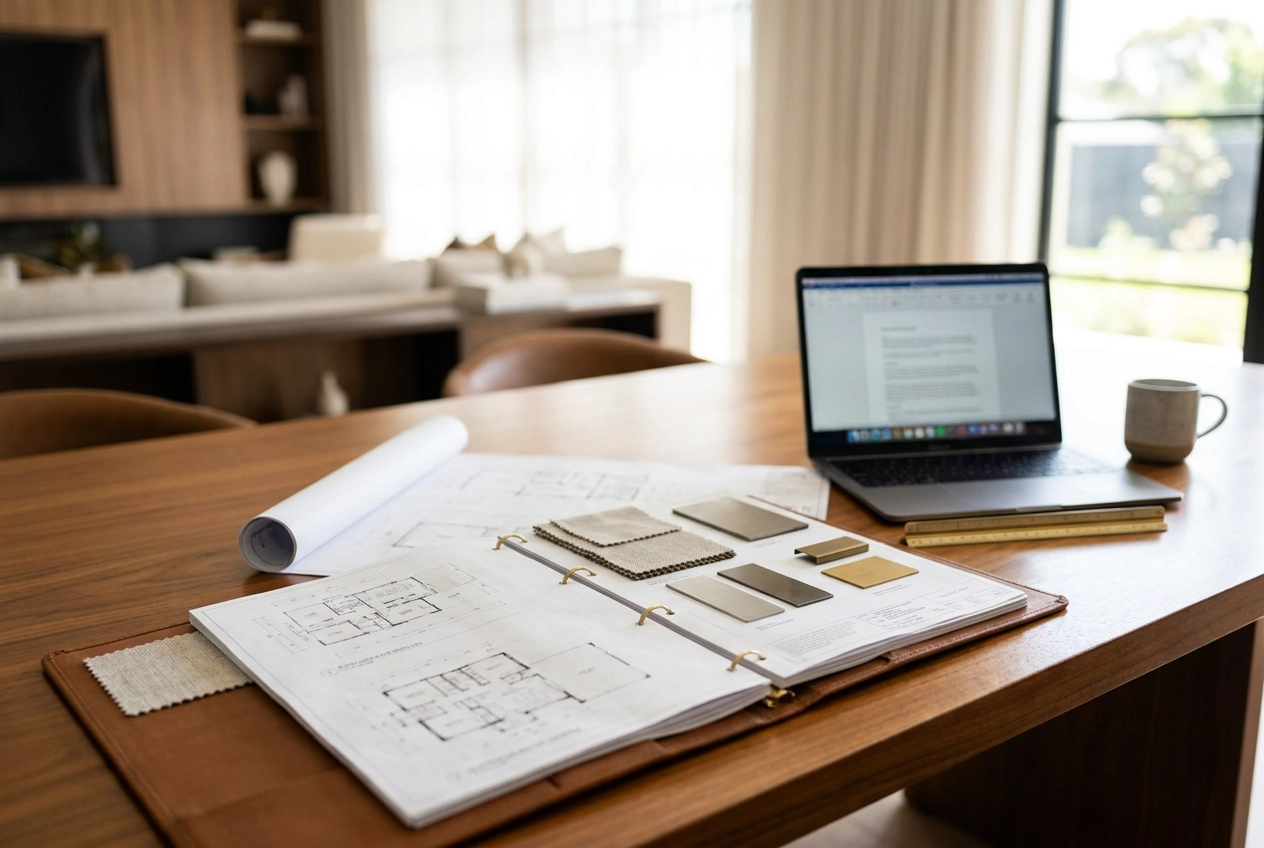
A mood board does not replace plans, elevations, samples or a specification book. It guides them. Once the direction is approved, we test real materials, develop custom details and select furnishings at the correct scale and performance level.
Images from other projects are never instructions to reproduce someone else’s room. The value lies in understanding why a reference resonates, then creating an original response for the client and architecture in front of us.
A small document with a large role
When used well, a mood board keeps decisions connected. It helps clients recognize the project as it develops and gives architects, builders and fabricators a concise view of the intended character.
The best boards are specific enough to guide and open enough to inspire. They do not show exactly what the finished home will look like. They make clear what it should feel like. Learn more about the JSF Design process or start a conversation with our studio.



BEST THE EDIT
of

The collaboration between Jeffrey Florentine of JSF Design and Antolini began with a shared conviction: natural stone should shape architecture, not simply finish it. Featured by Modern Luxury Scottsdale, Elementa is a collection developed with Antolini to explore how texture, proportion, light and repetition can give stone a more architectural role in the home. Jeffrey […]
Elevate Your Space
Let’s Bring Your Vision to Life
Design Goes Beyond Aesthetics...
It Shapes Experience.

+ Show / Hide Comments
Share to: