

What 2026 Interior Design Trends Mean for Luxury Custom Homes
June 7, 2026

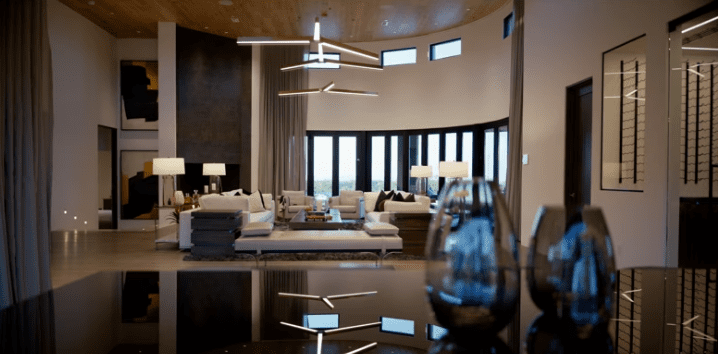
A custom home takes years to design and build. That timeline makes trend-driven decisions especially risky: an idea can move from new to overexposed before the owner has even moved in.
For 2026, the useful question is not which trends to follow. It is which shifts reflect a durable improvement in the way a home looks, works and ages.
Translate a trend instead of copying it
If a client responds to a current image, we ask what is doing the work. Is it the color, the material honesty, the sense of enclosure or the lack of clutter? That underlying quality can be translated into the client’s architecture without reproducing someone else’s room.
Build permanent layers for longevity
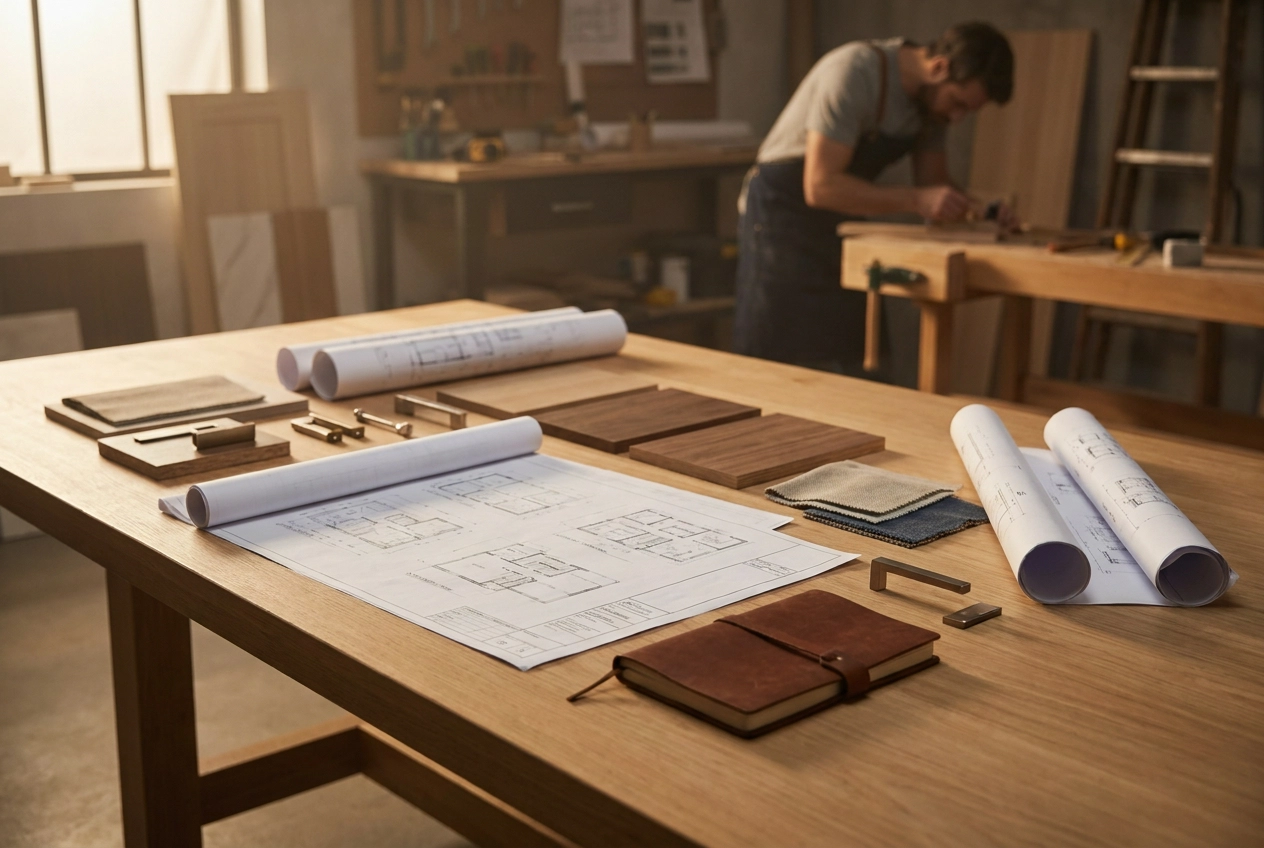
Plans, ceilings, millwork, stone and lighting are expensive to change. These elements should be grounded in proportion, craft and the site. More changeable layers—paint, upholstery, art and accessories—can carry a bolder or more timely idea.

Personal color is more lasting than neutral by default
Warm earth tones, olive, blue and deeper reds are appearing in current interiors, but color lasts when it has a reason to be there. It may relate to art, a landscape view or a client’s collection. Neutrality is not automatically timeless, and color is not automatically trendy.
Natural variation remains relevant
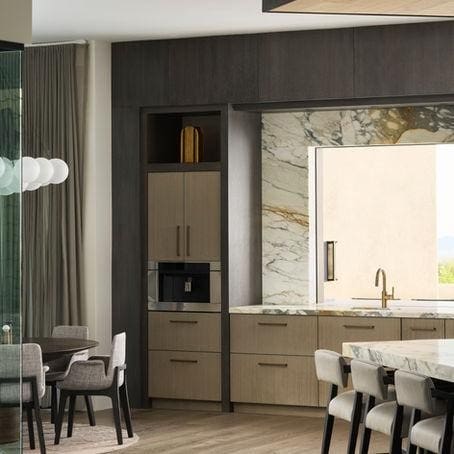
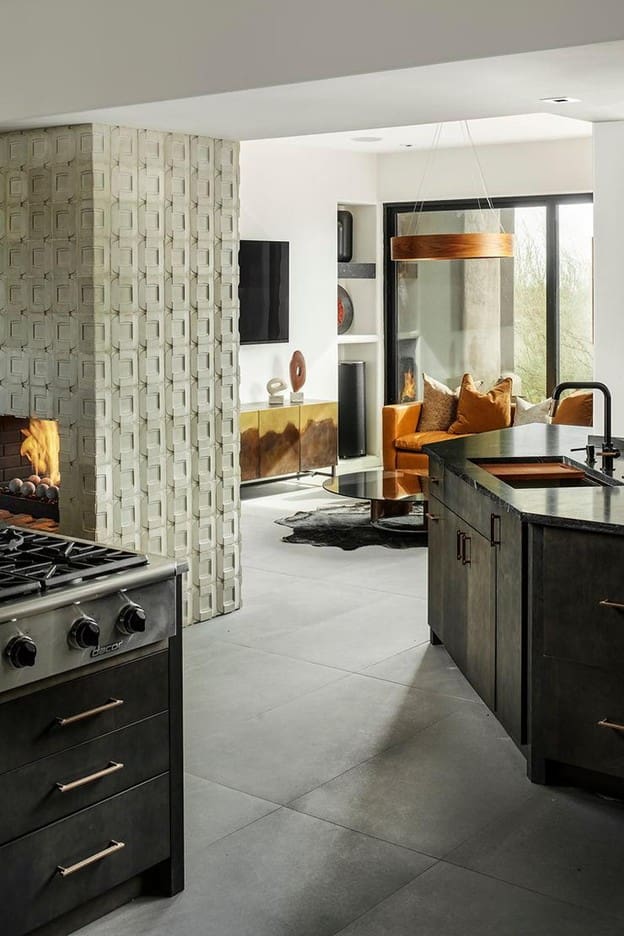
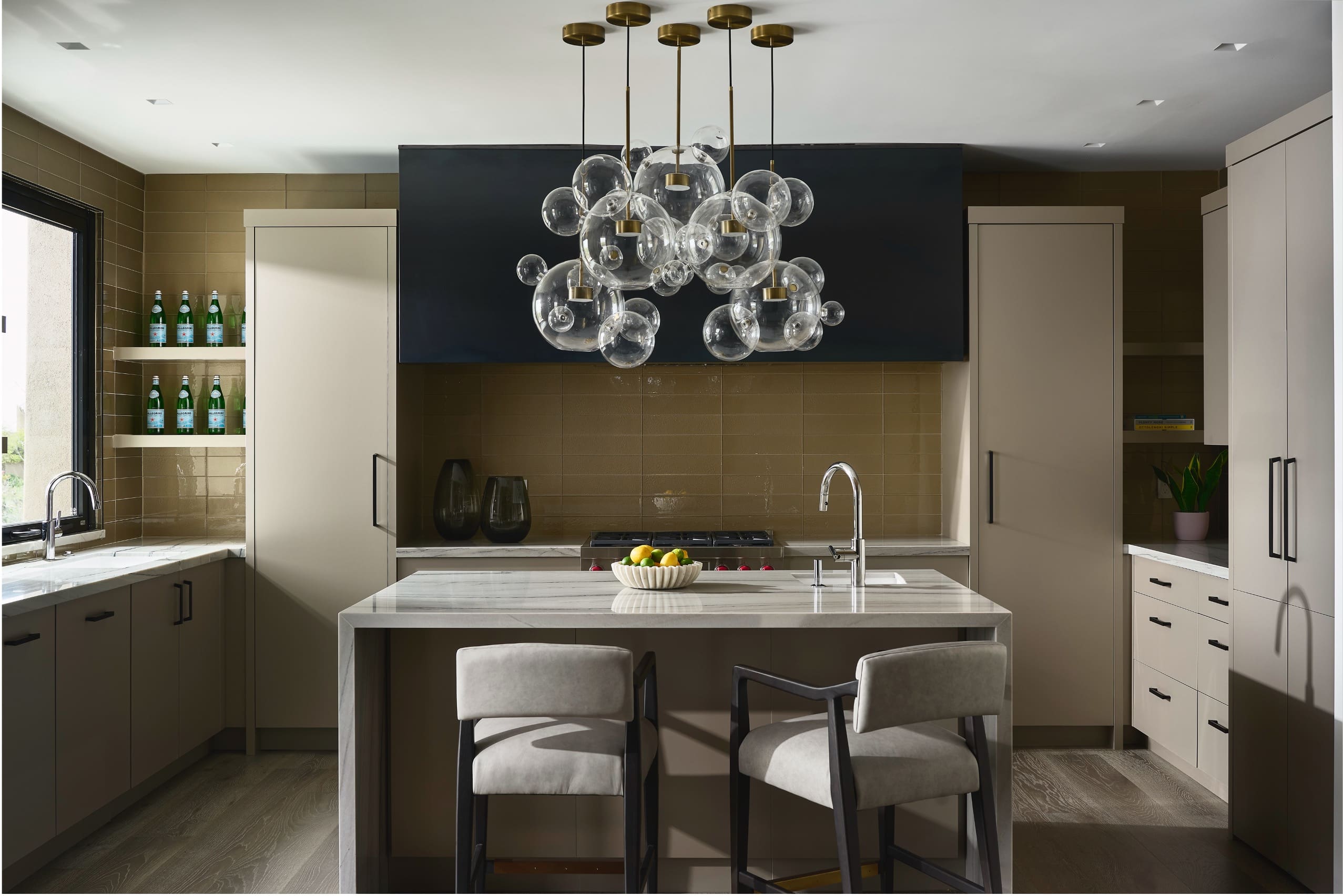
Wood with visible grain, honed stone, plaster and handmade tile feel current because they resist perfect uniformity. They also age with more grace than materials designed around a highly specific printed effect.
Comfort is becoming more visible
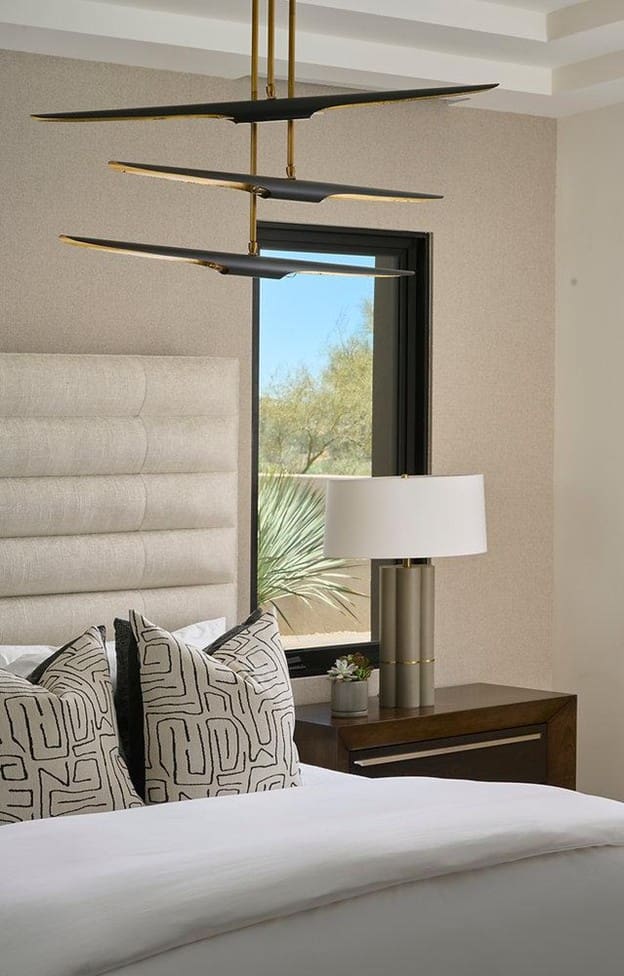
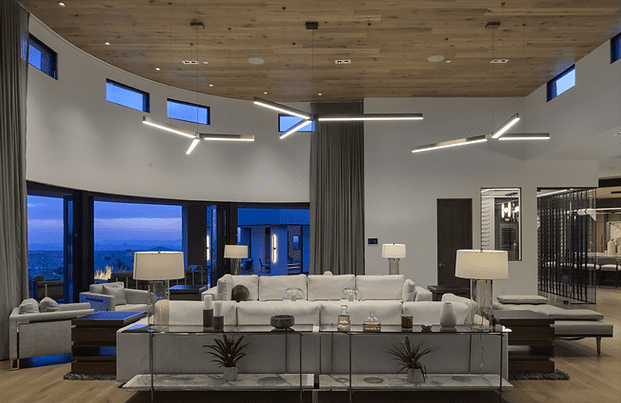
Generous seating, layered textiles and rooms with clearer boundaries reflect a desire for homes that support actual use. This is a meaningful shift away from interiors composed only for wide photographs.

Technology should be quieter
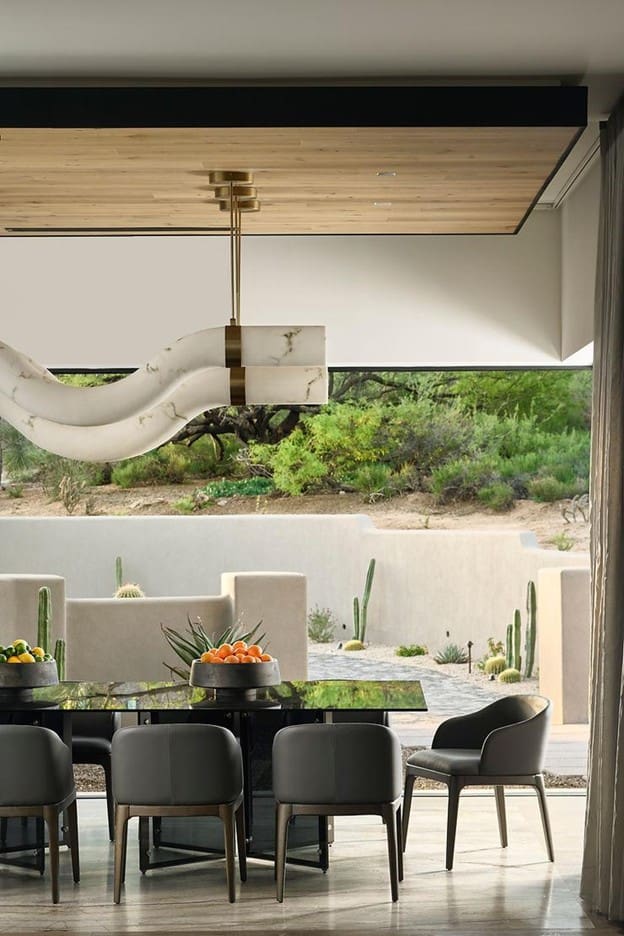
Integrated shading, lighting and climate control continue to advance, but the best systems recede. Equipment and interfaces should be planned with the architecture so the client experiences convenience rather than a wall of devices.
Wellness should support routine
Steam, sauna, exercise and recovery spaces are most successful when they are connected to the way the owners already live. Daylight, air quality, acoustics and material comfort often have a greater daily effect than a feature used occasionally.
Use three tests before committing
- Does the idea improve the function or experience of the home?
- Does it belong to this architecture, site and client?
- Will the material or detail age well, physically and visually?
If the answer is yes, the idea may be worth building. If its primary value is recognition as a trend, keep it flexible. Contact JSF Design to develop a custom home with a clear present-tense point of view and long-term character.
READ LATEST
the
BEST THE EDIT
of
The collaboration between Jeffrey Florentine of JSF Design and Antolini began with a shared conviction: natural stone should shape architecture, not simply finish it. Featured by Modern Luxury Scottsdale, Elementa is a collection developed with Antolini to explore how texture, proportion, light and repetition can give stone a more architectural role in the home. Jeffrey […]
Elevate Your Space
Let’s Bring Your Vision to Life
Design Goes Beyond Aesthetics...
It Shapes Experience.

+ Show / Hide Comments
Share to: