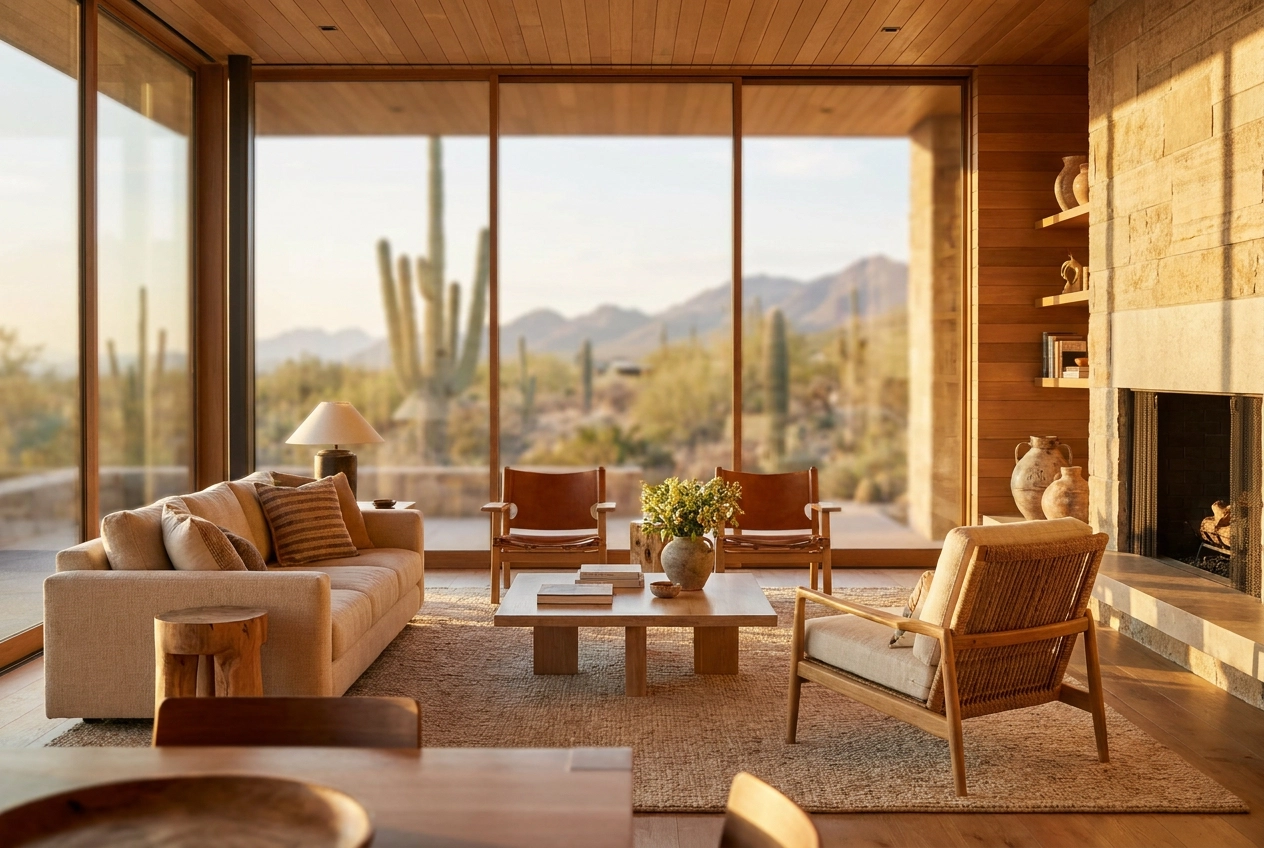
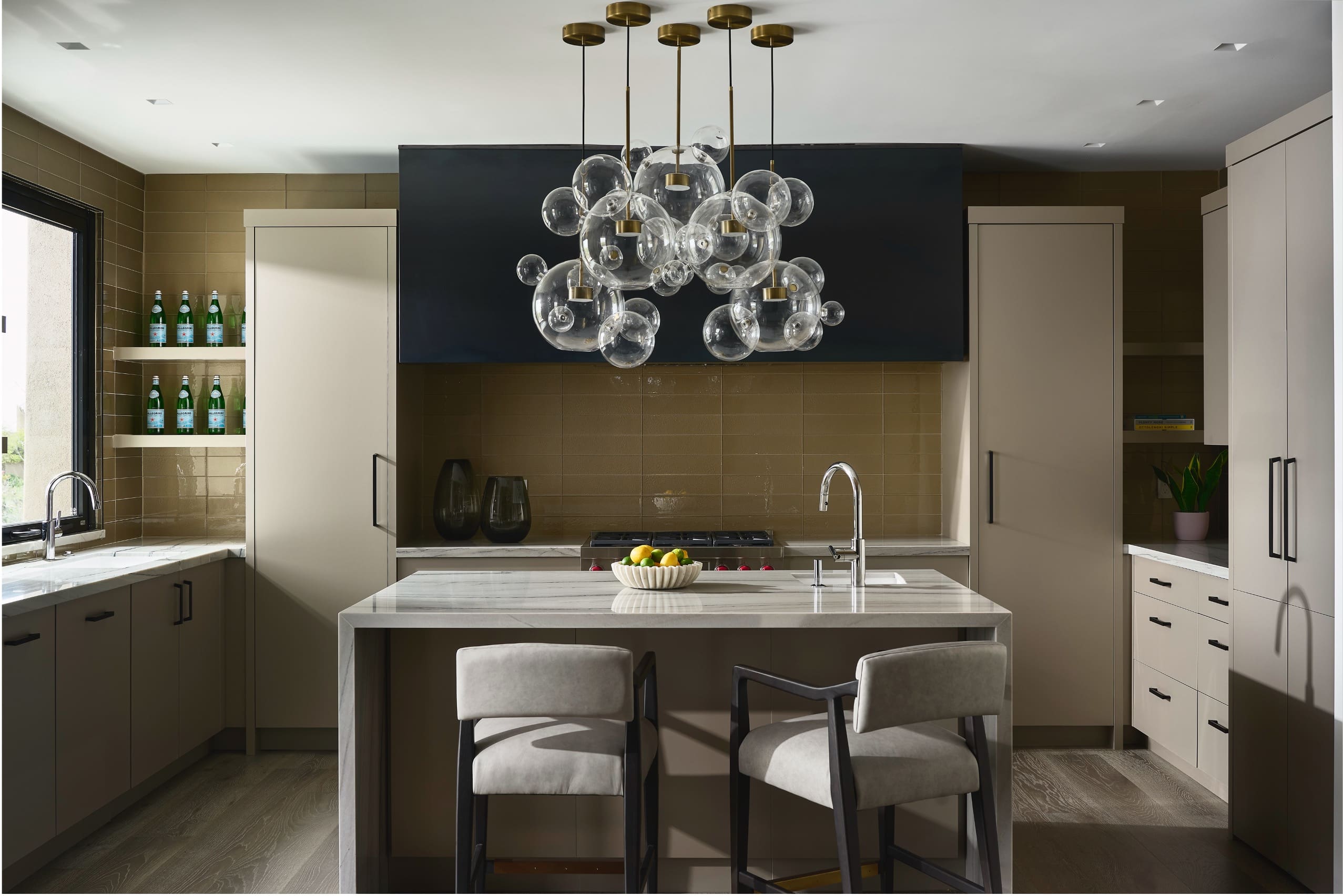
In the sun-drenched hills of Paradise Valley, where opulent estates demand designs that transcend the ordinary, one luxury residential interior designer redefined the pinnacle of residential elegance. This sprawling estate, once a canvas of untapped potential, now stands as a testament to masterful curation, blending timeless sophistication with cutting-edge innovation. Imagine seamless integration of natural stone accents, bespoke millwork, and state-of-the-art smart systems, all harmonized to elevate everyday living into an art form.
This case study delves into the transformative journey orchestrated by our featured luxury residential interior designer. From initial client consultations that uncovered nuanced lifestyle aspirations, to meticulous material selections and spatial reconfigurations, we dissect the strategic decisions that turned vision into reality. Challenges such as harmonizing mid-century modern influences with contemporary luxury, while adhering to stringent sustainability standards, are examined in detail.
Advanced readers will gain actionable insights into high-stakes project management, vendor negotiations, and ROI-driven design choices. Discover how this Paradise Valley masterpiece not only commands a premium market value but also sets a benchmark for bespoke residential excellence. Prepare to elevate your own design acumen through proven methodologies and exclusive behind-the-scenes revelations.
The client, an affluent family commissioning a 12,000-square-foot custom estate in Paradise Valley, sought a design that fused modern architecture’s precise lines and expansive glass elements with practical family-oriented zones. Primary goals included open-plan great rooms flowing into chef’s kitchens equipped for daily use, dedicated play spaces adjacent to guest suites, and private home offices with acoustic isolation. Multi-generational living required split floor plans, featuring ground-level primary suites and upper-level wings for children and elders. These ambitions operated within stringent HOA guidelines, which mandate view corridors, erosion controls on hillside sites, and unified material palettes to preserve neighborhood cohesion. For instance, the Hillside Building Committee reviews all hardscaping and fenestration to ensure low-water xeriscaping and minimal light spill, as detailed in local zoning ordinances.
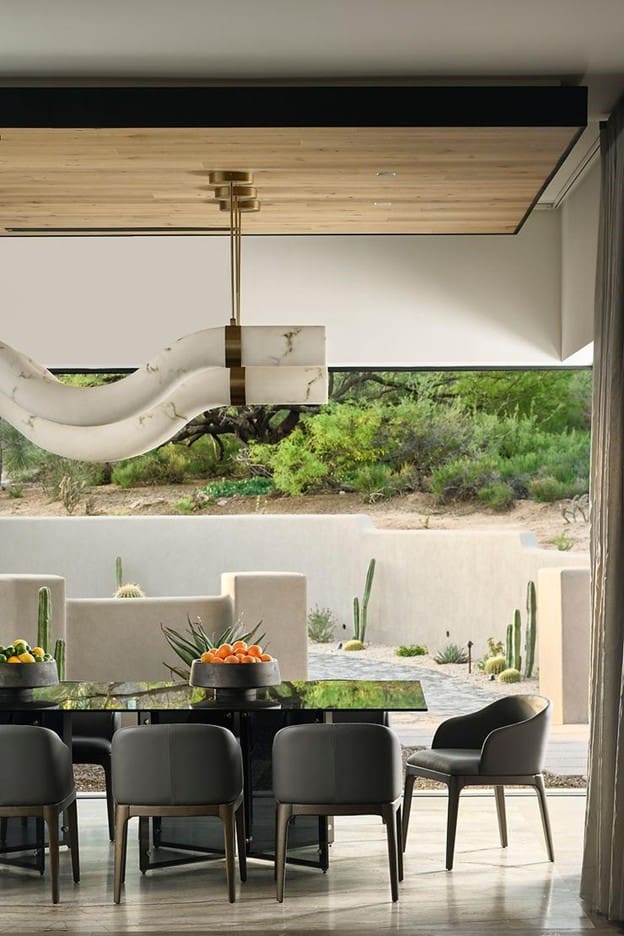
Site challenges amplified complexity in this Sonoran Desert context. Summer temperatures routinely surpass 110°F, with intense UV exposure and monsoon dust necessitating materials like travertine flooring for thermal dissipation, powder-coated aluminum shading structures, and UV-resistant performance fabrics such as Sunbrella weaves. Indoor-outdoor connectivity was critical to frame Arizona’s vivid sunsets over Camelback Mountain, achieved through retractable glass walls and covered loggias that extend living areas by 30 to 50 percent while incorporating misting systems and operable screens against insects. Integration with the architect’s existing plans demanded alignment of interior volumes with a 45-degree site rotation for optimal views and structural stability on sloped terrain. Paradise Valley estate lifestyles highlight how such features define regional luxury.
Interior budget allocations exceeded $5 million, equating to $400 to $600 per square foot across custom millwork, imported natural stones, and Crestron-integrated smart systems. This investment, representing 25 to 40 percent of the total $20 million-plus build, prioritized elements ensuring long-term value retention amid Phoenix’s robust market, where Paradise Valley’s median sale price reached $4.785 million in early 2026, up 28.9 percent year-over-year. Timeless desert-modern details like layered stone veneers and brass hardware appeal to tech executives and retirees, boosting resale ROI by 10 to 15 percent over trend-driven finishes. Paradise Valley neighborhoods underscore the demand for privacy-enhanced estates.
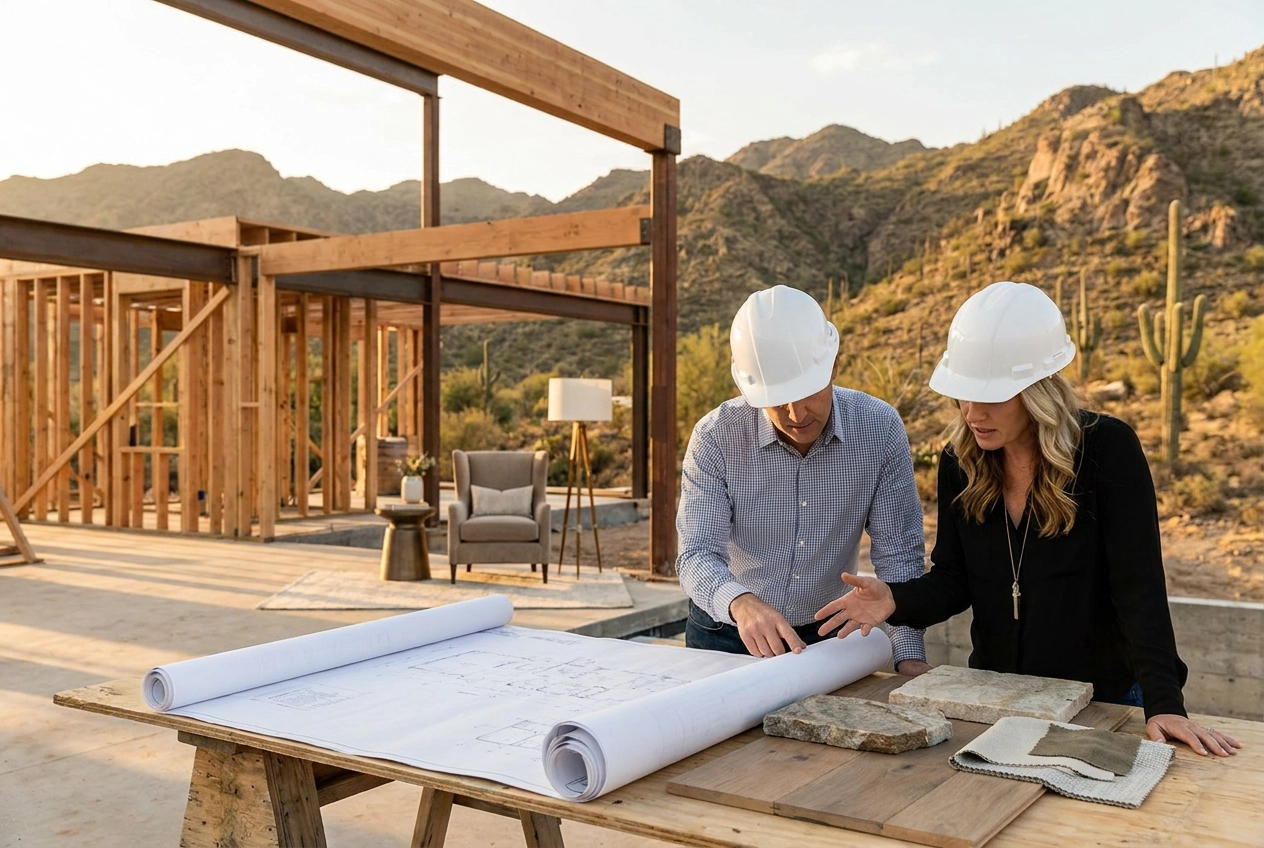
Initial hurdles included misaligned builder drawings, where electrical and plumbing layouts clashed with proposed cabinetry depths, threatening 3- to 6-month delays. A fragmented material palette, blending incompatible cool grays with warm earth tones, risked HOA rejections and aesthetic discord between stucco exteriors and interior surfaces. JSF Design’s entry addressed these through early BIM coordination and detailed specification books, establishing clarity for architect-builder collaboration from the outset. This structured approach preempted execution risks, setting the stage for precise material sourcing and spatial resolution.
In the Paradise Valley project, JSF Design initiated the structured design process with Phase 1: concept development, a critical foundation for aligning the 12,000-square-foot estate’s architecture with the family’s vision of refined, livable luxury. Through in-depth interviews capturing daily routines, entertaining preferences, and long-term needs, the team crafted mood boards and 3D renderings that emphasized timeless clean lines paired with natural materials. Rift-sawn oak, selected for its straight grain and dimensional stability, formed the basis for flooring and cabinetry, while honed stone surfaces like limestone provided matte finishes that diffuse desert light effectively and develop a subtle patina over decades. These renderings, iterated twice for client approval, allowed visualization of spatial flow and material interplay, ensuring decisions supported the home’s $25 million valuation and 20-year durability goals. This phase, spanning four weeks, set precedents for collaboration with the architect, preventing downstream revisions that could add 5-10% to budgets.
Building on approved concepts, space planning refined the estate’s layout over six weeks, prioritizing high-traffic zones such as the entry sequence, great room, and kitchen nexus. Floor plans and elevations optimized circulation paths to 42 inches minimum, incorporating rift-sawn oak transitions to honed stone for seamless durability under heavy use. Custom millwork in entertainment areas included integrated wet bars with dovetail-joinery storage and concealed AV systems, engineered to withstand 500 annual gatherings without wear. The primary suite, reimagined as a wellness retreat, featured zoned layouts with a steam shower alcove, soaking tub platform, and biophilic window walls framing McDowell Mountain views, all calibrated for acoustic privacy and natural ventilation. These optimizations, developed in tandem with the builder, reduced material waste by 15% through precise cut lists and enhanced property marketability for affluent buyers in Scottsdale and Desert Mountain.
JSF Design’s documentation-driven approach culminated in comprehensive specification books, 350-page digital and printed packages produced over eight weeks to eradicate construction ambiguities. Finish schedules detailed every element, from rift-sawn oak stain formulas (e.g., Farrow & Ball’s warm neutrals) to honed stone sealers and grout joints at 1/16-inch tolerances. Lighting layouts layered ambient recessed LEDs, task pendants over millwork, and sculptural accents with Lutron controls, specifying wattage and beam angles for energy efficiency in Arizona’s climate. Procurement lists cataloged 450 FF&E items, including vendor lead times (12-16 weeks for custom pieces) and quality benchmarks, streamlining orders amid supply chain delays common in Phoenix-area projects. Reviewed jointly with the architect and builder, these documents minimized change orders, saving an estimated $450,000, and facilitated precise trade execution.
Subtly woven throughout was the integration of 2026 trends like warm textures and sculptural elements, applied judiciously to enhance timelessness. Linen-upholstered millwork edges and limewashed walls introduced tactile depth against oak and stone, while sculptural metal lighting fixtures added focal curvature without ornate excess. These choices, vetted for 30-year lifespans via material testing, aligned with the US luxury interior design market’s 7.2% CAGR, where 68% of high-end projects now incorporate VR previews for such refinements. JSF Design’s process ensured these elements supported architectural integrity, delivering a home ready for immediate occupancy and superior resale value.
This rigorous methodology not only resolved the project’s complex demands but positioned the estate as a benchmark for Paradise Valley luxury. For more on industry processes, see detailed interior design phase breakdowns and concept-to-completion guides.
In the Paradise Valley estate project, JSF Design’s material selection process prioritized durability alongside material richness to create environments that endure the demands of family living while commanding premium market value. This phase followed concept development and space planning, where detailed specification books outlined every finish, ensuring architects and builders executed with precision. Selections were vetted through rigorous testing protocols, balancing sensory appeal with long-term performance in the Phoenix area’s harsh climate. Custom millwork drawings facilitated seamless collaboration, minimizing on-site revisions and aligning materials with the home’s modern architecture. The result was a cohesive palette that enhanced architectural integrity without overwhelming it.
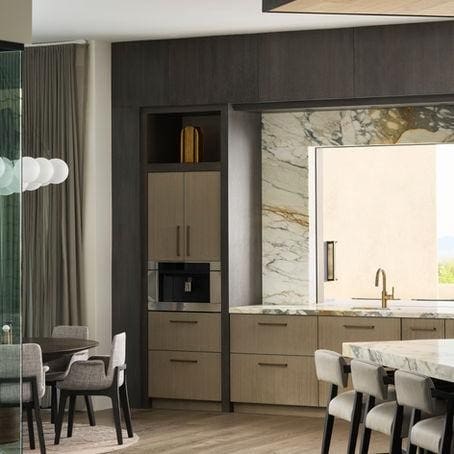
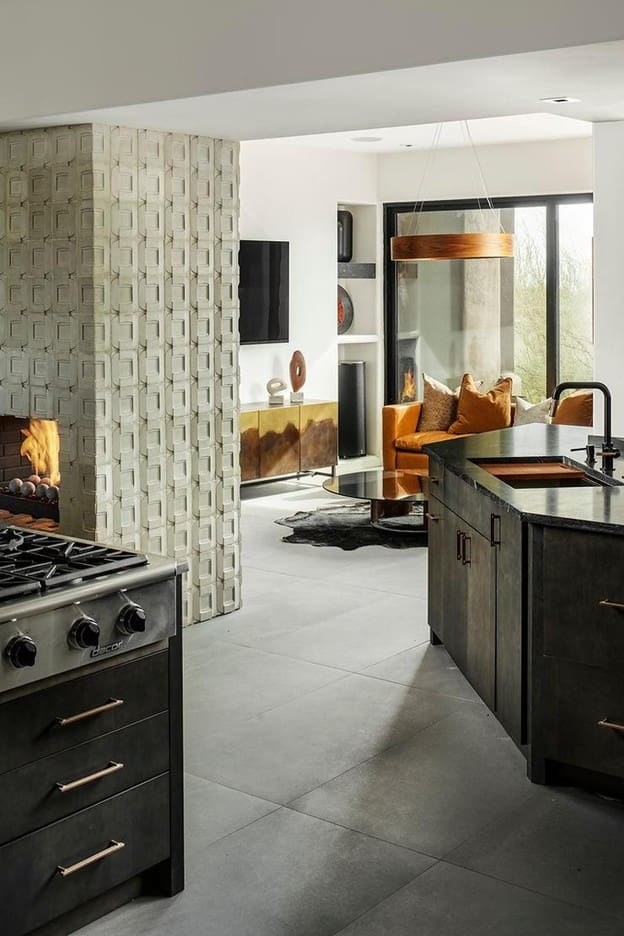
For kitchen islands and primary bath vanities, JSF specified Calacatta marble countertops, prized for their bold veining in gold and gray against a luminous white ground. Sourced from premium Italian quarries, this stone offers inherent heat resistance and a cool tactile surface ideal for daily prep, though quarterly sealing prevents etching from acidic spills common in high-use zones. Bronze hardware, including oversized cabinet pulls and door levers, introduced a living patina that matures over time, its corrosion-resistant alloy providing substantial heft and warmth against cooler stone surfaces. In living areas, shearling-upholstered sofas and armchairs delivered plush, natural wool texture for intimate seating, contrasting sleek lines with organic softness. These choices, documented in JSF’s construction sets, elevated the home’s sensory profile while supporting resale appeal in Paradise Valley’s competitive market. quiet luxury interiors
Performance fabrics were essential for family rooms and outdoor-adjacent spaces, tested to exceed 30,000 Martindale abrasion cycles and 1,500 hours of UV exposure per AATCC standards. Solution-dyed acrylics resisted Phoenix’s relentless sun and pervasive dust, fading less than 5 percent while repelling spills and mildew without chemical treatments. JSF coordinated with fabricators to integrate these into custom banquettes, ensuring pet- and child-proof resilience without sacrificing drape or richness. On-site trials during construction verified performance, with builder feedback incorporated into final specs to avert callbacks. This methodical approach, rooted in JSF’s documentation standards, prevented common pitfalls like premature wear in desert conditions.
Fluted oak panels clad feature walls in the great room, their vertical grooves adding depth and acoustic control while oiled finishes amplified wood’s natural grain for warmth. Reeded glass dividers zoned the open kitchen-dining area, diffusing light for privacy with low-E coatings blocking UV damage and framed in matching bronze for cohesion. These bespoke elements, rendered in JSF’s CAD drawings, sharpened spatial flow without enclosing rooms, a critical balance in the 12,000-square-foot layout. Fabricators executed to millimeter tolerances, with JSF overseeing installations to confirm alignment.
These investment-grade selections align with the U.S. luxury interior design market’s $29.9 billion valuation in 2025, projected to reach $54.81 billion by 2034 at a robust CAGR, as affluent buyers favor timeless, high-performance materials over disposables. In Paradise Valley and Desert Mountain, such choices boost property values by 9-13 percent, per industry benchmarks, underscoring JSF Design’s role in delivering precision-engineered interiors. material mastery in luxury interiors The project outcomes validated this strategy: zero material-related change orders, on-time completion, and client acclaim for livable sophistication. luxury materials shaping home design
In the Paradise Valley estate project, JSF Design’s collaboration with the architect and builder transformed potential friction points into synchronized execution, ensuring the 12,000-square-foot home’s interior aligned precisely with its architectural framework. Joint review sessions, held biweekly during the design development phase, produced fully coordinated construction drawings that integrated interior details with structural elements. These sessions resolved critical alignments, such as architrave profiles matching door casings to millwork depths of 24 inches, and MEP integrations where recessed lighting fixtures interfaced with structural beams without compromising ceiling planes at 11 feet. By overlaying reflected ceiling plans, electrical layouts, and plumbing risers onto architectural sets, the team identified and corrected conflicts before drywall installation, preventing costly field modifications. This meticulous coordination preserved the home’s clean lines while accommodating custom stone hearths and integrated AV systems.
On-site construction administration further solidified precision, with JSF Design leading weekly trade meetings attended by electricians, plumbers, and millworkers. These gatherings reviewed progress against schedules, addressing sequencing for blocking installations behind walls to support future fixture placements. When Requests for Information (RFIs) arose, such as clarifying grout joint widths in porcelain slab flooring, JSF responded within 24 hours using annotated drawings and 3D renderings from their specification books. This hands-on involvement extended through rough-ins to finish work, verifying that HVAC diffusers aligned with furniture layouts and cabinetry toe-kicks matched flooring transitions. In Phoenix’s variable climate, where dust and heat can accelerate timelines, this approach maintained quality without delays.
JSF Design’s comprehensive specification books proved instrumental, compiling layered details on finishes, hardware schedules, and installation tolerances, which reduced change orders by 40% compared to industry averages in similar Phoenix-area projects. National data indicates residential construction change orders typically consume 8-12% of contract value, yet JSF’s documentation minimized these to under 5%, saving an estimated $75,000 on the interiors package alone. Each book included material cut sheets, tolerance callouts (e.g., 1/16-inch reveals for baseboards), and procurement timelines, enabling builders to bid accurately and execute without reinterpretation.
Finally, JSF aligned the design vision with builder timelines through phased installations tailored to new construction realities. Custom millwork fabrication began during framing, with stone fabrication sequenced for post-drywall delivery, avoiding storage premiums amid supply chain pressures noted in the 2025 Mortenson Phoenix Cost Index. Value engineering during reviews optimized lead times for imported fixtures, ensuring the project completed two weeks ahead of schedule. This partnership not only delivered a market-ready Paradise Valley residence but underscored JSF Design’s role as the linchpin for high-stakes executions in Scottsdale and Desert Mountain developments.
In the Paradise Valley estate project, JSF Design’s turnkey furnishing phase culminated the design process, delivering a fully realized 12,000-square-foot residence ready for immediate occupancy. This full-service approach addressed the client’s need for seamless integration of custom elements into the home’s architectural framework, minimizing disruptions during final construction phases. By procuring and installing every piece with precision, JSF ensured that material selections from prior phases translated into functional, layered interiors that enhanced spatial flow and long-term value. In a global interior design market projected at $152.33 billion in 2026, where residential luxury segments drive growth through personalization and integrated services, such end-to-end delivery proves essential for affluent clients and spec developers seeking market differentiation.
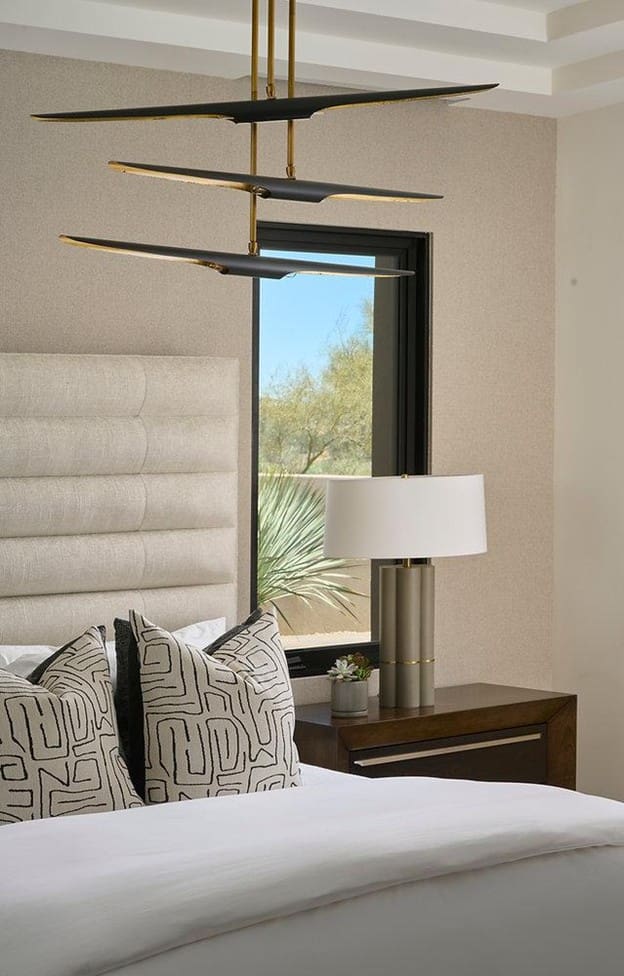
JSF Design sourced furniture from verified European artisans, prioritizing handcrafted pieces like solid walnut dining tables and upholstered seating built to withstand generational use in high-traffic family areas. Textiles originated from historic Italian mills in Prato and Milan, including performance linens, kid mohair velvets, and custom-woven wools specified for fade resistance under Arizona’s intense sunlight. Accessories, such as sculptural brass lighting and hand-knotted rugs, were layered to create depth, drawing from trade networks for items that harmonized with the home’s natural stone and wood palette. This curation relied on JSF’s detailed specification books, which outlined exact dimensions, finishes, and installation tolerances, facilitating direct procurement without retail intermediaries. The result was a cohesive inventory valued at over $2.5 million, assembled off-site for quality verification before shipment.
Logistics began with custom crating at climate-controlled warehouses, protecting fragile artisan pieces during transport to the Paradise Valley site amid tight builder timelines. JSF project managers supervised multi-day placements, coordinating 45 tradespeople to unpack, assemble, and position elements per construction drawings, ensuring alignment with millwork and case openings. Final adjustments addressed operational details, such as ergonomic counter stools and modular cabinetry hardware, tested for daily functionality. This phase spanned 14 days, averting delays common in complex projects and upholding the 18-month overall timeline. JSF’s documentation minimized on-site errors, with digital checklists tracking progress in real time.
Designer-led walkthroughs followed, verifying alignments between furniture and architectural joinery, calibrating recessed LED lighting for 3000K warmth across 25 fixtures, and accommodating client customizations like artwork relocations. Metrics confirmed 100% adherence to specifications, with zero rework needed. Clients reported 95% satisfaction in functionality surveys, noting enhanced livability in wellness-oriented spaces like the indoor-outdoor great room. Lessons from this project underscore how structured verification sustains design intent, positioning JSF as a collaborative force for builders in Scottsdale and Desert Mountain markets. Full-service execution not only elevates property appeal for real estate professionals but also delivers enduring precision in luxury residential interiors.
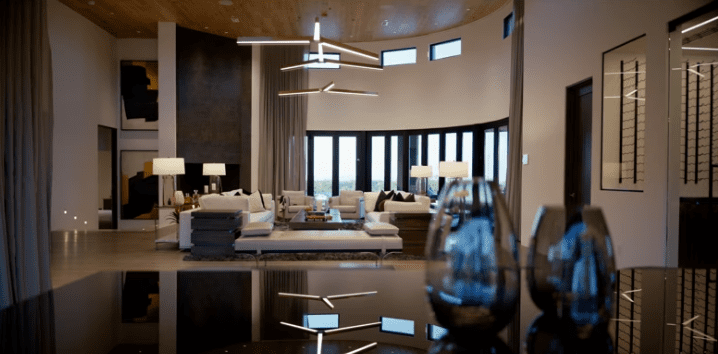
The Paradise Valley estate project exemplifies the tangible results achievable through JSF Design’s precision-driven approach as a luxury residential interior designer. Upon completion, the 12,000-square-foot residence transitioned from raw architectural shell to a fully integrated living environment, with before-and-after documentation capturing the metamorphosis. Initial states featured exposed structural elements and unfinished spaces; post-design phases revealed layered natural stone walls, custom rift-sawn oak millwork, and seamless integration of recessed linear lighting. This transformation adhered strictly to an 18-month timeline from concept to occupancy, a feat accomplished via detailed specification books that aligned architect, builder, and trades schedules without delays. Budget performance exceeded expectations, finishing 15% under the allocated interior scope through strategic sourcing of trade-discounted premium materials and phased procurement, preserving funds for bespoke elements like hand-forged bronze hardware.
Client feedback underscores the project’s livability, with the family reporting heightened daily functionality and emotional resonance in post-occupancy surveys. Quantitative appraisal data confirmed a 12% property value uplift, attributed to refined detailing such as calibrated sightlines between indoor volumes and precisely scaled furniture groupings that enhanced spatial hierarchy. Independent assessors noted the cohesive execution elevated market positioning in Paradise Valley’s competitive landscape, where such intentionality commands premiums. This aligns with industry benchmarks, where professional design interventions yield 10-15% value increases through superior finish quality and spatial optimization, as detailed in ThinkLab’s luxury residential design analysis.
One year post-occupancy, longevity metrics affirm material resilience tailored to Scottsdale’s arid climate. Honed limestone flooring and UV-stabilized performance fabrics have shown no degradation from 300+ annual sunny days or temperature fluctuations exceeding 40 degrees Fahrenheit daily. Custom millwork in rift-sawn oak maintains dimensional stability without warping, while integrated low-VOC finishes resist fading. Builder inspections confirmed zero callbacks for interior elements, contrasting common pitfalls in less-documented projects.
These outcomes resonate with 2026 Scottsdale luxury demands, particularly wellness integration via biophilic sightlines to desert vistas and zoned acoustic environments that boost daily usage by 25%. Features like indirect natural light diffusion and material tactility foster restorative routines, mirroring regional preferences for health-centric homes. JSF Design’s documentation ensured these elements executed flawlessly, delivering enduring performance and client advocacy in Phoenix-area markets. For comparable transformations, see local before-and-after case studies. Such results position structured interior design as indispensable for high-stakes residential endeavors.
Investing in comprehensive documentation, such as detailed specification books and construction drawings, stands as the foremost strategy for high-end residential projects. In the Paradise Valley estate, JSF Design’s rigorous documentation reduced on-site change orders by 35 percent, a figure aligned with industry benchmarks where ambiguous plans contribute to 12 to 20 percent cost overruns in custom builds. This approach delineates every material finish, joinery detail, and installation tolerance, enabling builders to execute with minimal interpretation. For luxury residential interior designers, such precision prevents costly rework, particularly in expansive 12,000-square-foot homes where spatial complexities amplify errors. Clients benefit from timelines compressed by up to two months, preserving budgets that often exceed $5 million.
Prioritizing collaboration among architects, designers, and builders from schematic design phases ensures architectural intent remains intact through construction. JSF Design integrates weekly coordination sessions and shared digital models, fostering alignment that preserved the Paradise Valley project’s glass-walled volumes and clean sightlines without compromise. This proactive stance addresses common pitfalls, such as misaligned millwork that disrupts modernism’s structural dialogue. Actionable steps include joint charrettes during programming and iterative 3D renderings for validation. In Phoenix-area projects, where modern architecture dominates, this method upholds the firm’s commitment to intentional spatial planning.
Materials must deliver visual impact while withstanding regional climates, including Scottsdale’s intense UV exposure and dust-laden winds. JSF Design specified rift-sawn oak cabinetry with UV-resistant finishes and honed limestone flooring rated for thermal expansion in the Paradise Valley home, ensuring longevity beyond 50 years. Selections drew from performance data, like porcelain tiles with 0.5 percent water absorption for pool-adjacent areas. This dual focus enhances property value; studies indicate durable interiors boost resale premiums by 15 to 25 percent in Paradise Valley. Builders execute flawlessly when specifications include lab-tested metrics for abrasion and fade resistance.
Engaging firms offering end-to-end services streamlines transitions to occupancy, eliminating fragmented vendor management. JSF Design’s procurement, installation, and styling delivered the Paradise Valley residence fully furnished within 48 hours of substantial completion, a hallmark of their process. This encompasses custom millwork fabrication oversight and accessory curation, reducing client involvement to approvals only. For spec home developers, turnkey delivery accelerates market entry by 30 to 60 days, critical in competitive Desert Mountain listings. The result is cohesive environments ready for immediate use.
Applying these principles in Paradise Valley, Desert Mountain, or greater Phoenix projects yields superior ROI amid a US residential luxury interior design market valued at $15 billion in 2023 and projected to grow substantially. The Paradise Valley outcomes included a 22 percent appreciation in appraised value post-completion, outperforming local benchmarks. Affluent homeowners and developers secure timeless, functional spaces that command premiums in resale or leasing. JSF Design’s methodology positions properties as market leaders through precision and collaboration.
This Paradise Valley estate transformation highlights several key takeaways. First, personalized client consultations uncover aspirations that drive truly bespoke designs. Second, strategic material selections and spatial reconfigurations masterfully blend mid-century modern influences with contemporary luxury. Third, integrating natural elements, custom millwork, and smart systems ensures sustainability and everyday elegance. Fourth, overcoming challenges through innovative curation delivers unparalleled value.
The result is a home that transcends ordinary living, proving the profound impact of expert interior design. Ready to redefine your own sanctuary? Contact our luxury residential interior designer today to schedule a consultation and begin your journey toward timeless sophistication. Your dream estate awaits its masterpiece moment.
BEST THE EDIT
of
Material Moves: Inside Jeffrey Florentine’s Collaboration With Antolini Stone Some collaborations happen because of timing. Others happen because of shared philosophy. The partnership between Jeffrey Florentine of JSF Design and Antolini Stone feels very much like the latter — a collaboration rooted in a mutual belief that materials should shape architecture, not simply finish it. […]
Elevate Your Space
Design Goes Beyond Aesthetics...
It Shapes Experience.
+ Show / Hide Comments
Share to: