



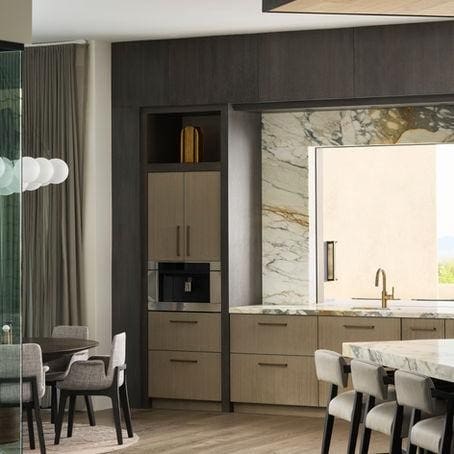
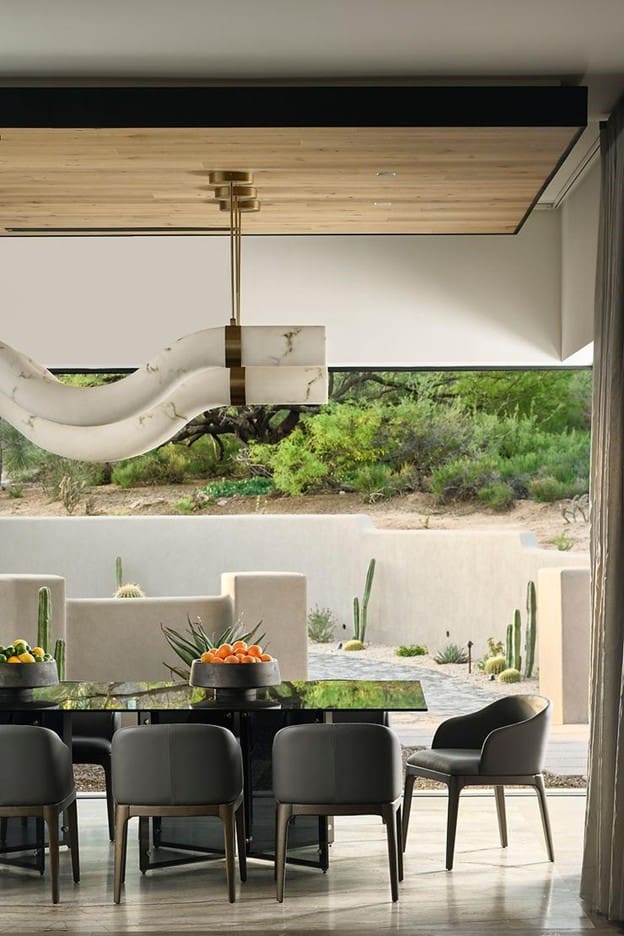
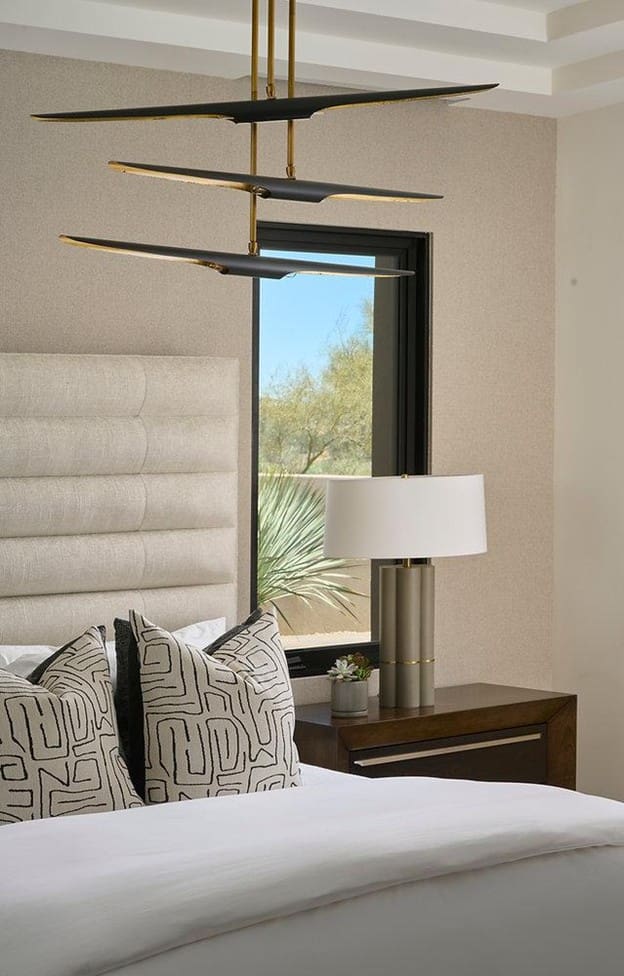
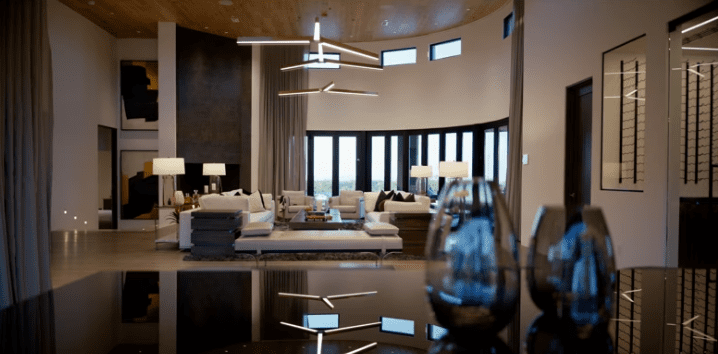
Most people assume luxury living spaces are simply expensive versions of ordinary rooms. They are not. Interior design high end residential projects operate within an entirely different framework, one defined by custom fabrication, layered material sourcing, and design decisions that unfold over months, sometimes years. The gap between a well-decorated home and a truly refined residential interior is not just financial; it is methodological.
This analysis cuts through the surface-level conversation about luxury aesthetics to examine what high-end residential interior design actually demands in practice. You will gain a clear understanding of how project scoping, vendor relationships, architectural coordination, and client collaboration converge to produce spaces that perform at the highest level. Whether you are a seasoned design professional looking to sharpen your process or a discerning client preparing for a significant project, this breakdown addresses the complexity that trade publications rarely articulate plainly. The details covered here reflect the realities of working at the upper tier of the residential market, where precision, discretion, and creative authority define every phase of the work.
What Actually Separates High-End Residential Design from Standard Interior Design
The difference between high-end residential design and standard decorating is not found in the price tag of a sofa or the origin of a stone slab. It lives in the depth of process, the rigor of documentation, and the range of technical coordination that unfolds long before a single material arrives on site. A decorator selects and sources; a luxury design firm architects an entire experience, managing every decision point from initial concept through final punch list with the kind of precision that a complex custom home demands.
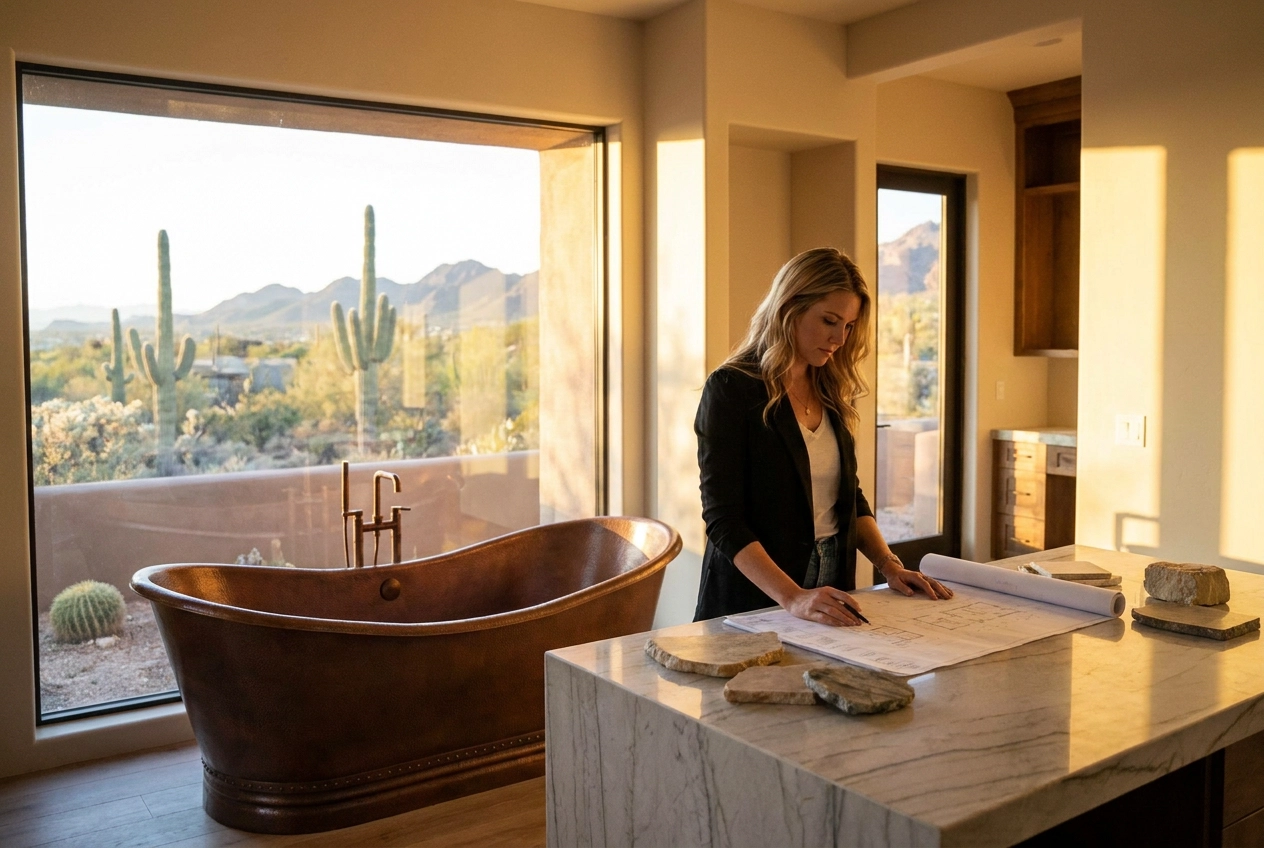
At the core of this distinction is the firm’s capacity to produce construction-ready deliverables. Specification books, coordinated finish schedules, reflected ceiling plans, millwork elevations, and detailed material callouts are not administrative formalities. They are the instruments through which a design intent survives contact with the construction process. Without this level of documentation, ambiguity accumulates across trades, and the gap between what was envisioned and what gets built widens quickly. Understanding the difference between interior design and decorating clarifies why this technical output is so consequential: it places the designer in the room, so to speak, even when they are not physically present on site.
The scope of services at the luxury tier reflects this expanded role directly. Custom millwork design requires an understanding of joinery, proportion, and how built elements interact with ceiling heights and fenestration. Lighting coordination demands a layered approach, one that aligns architectural conditions, controls integration, and fixture selections across multiple vendors and phases. Architectural finish specification involves not just material selection but performance criteria, transition detailing, and sequencing across trades. Procurement management at this level spans fabrication lead times that routinely run twelve to twenty or more weeks for specialty items, requiring proactive scheduling to protect the project timeline.
The designer, in this context, functions as both a creative lead and a technical collaborator across the full lifecycle of a project. That dual role is what clients at this tier are actually purchasing, and it is why the U.S. residential interior design market reached approximately USD 55.1 billion in 2024 and is projected to grow to USD 88.6 billion by 2033. High-income households are not simply spending more on furnishings; they are investing in fully managed, highly coordinated design services that protect both the quality of the outcome and the long-term value of the asset.
The Full Scope of a High-End Residential Design Engagement
A full-scope luxury design engagement is not a linear checklist; it is an integrated sequence of decisions where each phase informs and depends on the one before it. Concept development establishes the spatial logic, material language, and functional priorities that will govern every downstream choice. Space planning translates that vision into scaled, dimensionally precise floor plans that account for circulation, furniture scale, and the relationship between interior volumes and architecture. From there, finish and material specification moves into the granular: surface selections backed by physical samples, performance data, and compatibility assessments across adjacent materials. Custom millwork design follows with shop-drawing-level documentation for cabinetry, built-ins, and architectural details. Lighting coordination layers ambient, task, and accent strategies into the architecture rather than applying fixtures as an afterthought. Construction collaboration ties it all together, with the designer functioning as a technical resource during the build, reviewing submittals, coordinating trades, and ensuring the documentation translates accurately into the field.
Early Engagement in New Construction
In new construction at the luxury tier, the timing of the designer’s involvement is not a scheduling preference; it is a design outcome variable. When a designer engages alongside the architect during schematic and design development phases, spatial decisions are still malleable. Ceiling heights, window placement, wall configurations, and structural elements can be informed by interior requirements rather than worked around after the fact. By the time framing is complete, the most consequential spatial decisions have already been made. Late-stage engagement forces compromise: mechanical chases land in the wrong locations, millwork walls lose critical depth, lighting cannot be positioned where the ceiling geometry demands it. For projects in Desert Mountain, Paradise Valley, and Scottsdale, where custom homes routinely exceed 6,000 square feet and involve complex site orientations, this early coordination is not a luxury; it is a prerequisite for a resolved outcome.
Remodels and Turnkey Delivery
Full-home remodels at this scale require what can only be described as forensic documentation before a single decision is finalized. Existing conditions must be measured, assessed structurally, and cross-referenced against what the design requires. Trade sequencing, the order in which demolition, rough framing, mechanical, electrical, and finish work proceeds, must be planned with precision to avoid costly rework and schedule compression. A detailed interior design process from concept to completion produces the drawings, finish schedules, and construction documents that align every contractor around a single, authoritative reference point, eliminating the ambiguity that generates change orders.
Turnkey furnishing operates under a similar discipline. Scaled furniture plans with precise placement coordinates, finish compatibility reviews that account for undertones and material adjacencies, and custom upholstery specifications that define fabric, fill, and dimension, these are the components of furnishing treated as a compositional act. Procurement at this level means sourcing exclusively through trade vendors, managing lead times that routinely extend six to eighteen months for custom pieces, and sequencing deliveries within active construction schedules where installation windows are narrow and conditional on construction milestones.
Why Specification Books and Construction Drawings Define Project Outcomes
In high-end residential construction, the design vision exists on paper long before a single trade sets foot on site. What determines whether that vision survives contact with the construction process is not the quality of the concept; it is the quality of the documentation. Without detailed specification books and dimensioned construction drawings, interpretation defaults to whoever is holding the tool, and contractors operating under schedule pressure and cost constraints will make decisions that prioritize efficiency, not design intent. This is not a failure of craftsmanship; it is a structural problem created by insufficient documentation.
A rigorous specification book does more than list product selections. It documents every finish, fixture, hardware item, and custom detail with corresponding product data sheets, installation notes, approved substitutions, lead time requirements, and cross-references to construction drawings. When a tile setter arrives on site, the spec book tells them the exact layout pattern, the grout joint width, the setting method, and how the field tile transitions at each threshold. When a millwork fabricator submits shop drawings, the spec book provides the baseline against which those drawings are reviewed. This level of precision eliminates the vague allowances and open-ended line items that generate costly field changes downstream. The importance of detailed project specifications in construction is well-established: ambiguity at the documentation phase consistently becomes budget overruns at the construction phase.
Construction drawings produced by the interior designer serve a distinct and critical coordination function. These documents, including floor plans, interior elevations, reflected ceiling plans, finish plans, and millwork details, are developed in direct reference to the architect’s structural, mechanical, and plumbing drawings. When plumbing rough-in locations, electrical outlet placement, and blocking requirements for custom cabinetry are identified and communicated before the walls close, the probability of costly rework drops significantly. Interior designers working with construction documents understand that the coordination layer between design intent and field execution is where projects are either protected or compromised.
The documentation package also functions as a project management instrument throughout construction. When a general contractor proposes a value-engineering substitution or a product becomes unavailable, the spec book provides an objective baseline for evaluating the alternative. The question shifts from “is this close enough?” to “does this meet the documented standard?” This distinction matters on complex projects where design coherence depends on dozens of interdependent decisions holding together simultaneously.
In projects involving multiple specialized trades, including stone fabricators, plaster specialists, tile setters, and custom millwork shops, a shared documentation package is the mechanism that keeps every party aligned and accountable. Each trade works from the same reference, reducing miscommunication and establishing clear standards for quality and execution. This is the structural underpinning of how a resolved interior design vision moves from drawing to built reality with its integrity intact.
Material Selection at the Luxury Tier: What High End Means in Practice
Material selection at the luxury tier is fundamentally a question of performance over time, not cost at the point of specification. The materials that define a well-resolved interior are chosen for how they behave across years of use: how stone develops a patina under consistent foot traffic, how wood responds to seasonal humidity shifts, how a plaster wall absorbs and redistributes light as it moves through a room across the day. Price per square foot is one variable in a much larger equation that includes thermal stability, UV resistance, finish durability, and the cumulative sensory effect a material contributes to the spatial experience.
Climate-Specific Material Intelligence
In Scottsdale, Paradise Valley, and the broader Desert Mountain corridor, that equation includes variables that do not appear in most design references written for temperate climates. Summer temperatures regularly exceed 110 degrees Fahrenheit, UV index readings are among the highest in the country, and diurnal temperature swings can push 40 degrees or more in shoulder seasons. These conditions stress materials in ways that only become visible over time: synthetic composites fade and delaminate, improperly sealed stone absorbs heat unevenly and cracks along natural fissures, and performance fabrics specified for moderate climates lose structural integrity within a few seasons of direct desert sun exposure. The specification decisions made early in a project determine whether a home holds its material integrity at year ten or begins showing systemic wear. Thermally stable materials such as limestone, travertine, rift-sawn oak, and hand-troweled plaster are not selected for aesthetic reasons alone; they are selected because they are physically suited to the environment.
Stone, Millwork, and the Details That Register
Natural stone specification at the luxury tier is a technical discipline. It begins with in-person slab selection at the stone yard, where color, movement, and veining can only be properly assessed under natural light and at the scale of the actual installation. Bookmatching a stone across a primary bath wall or achieving veining continuity across a waterfall island edge requires physically reviewing multiple slabs from the same lot, a process that cannot be replicated through samples or digital images. Finish selection carries equal consequence: a honed limestone in a high-use shower floor reads differently than the same stone in a leathered finish on a fireplace surround, and a polished quartzite on a low-traffic accent wall performs differently than it would on a kitchen perimeter counter under daily use. These are not stylistic preferences; they are technical specifications with real functional implications.
Custom millwork operates in a similar register. Its quality is legible immediately to anyone who has spent time in well-built spaces: the proportions of a library surround, the reveal depth on a panel profile, the way a door integrates flush into a run of cabinetry. These details define the architectural character of kitchens, primary suites, and public rooms in ways that no furniture purchase can replicate. Current luxury residential design trends reinforce this, with rift-sawn oak, walnut, and furniture-grade detailing appearing consistently in high-specification projects.
The Role of Textiles in Spatial Cohesion
Textiles, wallcoverings, and soft goods are routinely underestimated in their spatial contribution. A coordinated textile program, one that aligns weight, weave, performance rating, and color temperature across upholstery, drapery, and area rugs across multiple rooms, produces a cohesion that furniture placement alone cannot achieve. The way a wool rug anchors a seating group, the way linen drapery softens the acoustic character of a hard-surfaced room, the way a performance velvet on a primary chair reads against a grasscloth wallcovering; these relationships are cumulative and deliberate. In desert climates, UV-resistant performance fabrics are a baseline requirement in rooms with significant sun exposure, while natural fibers in protected spaces contribute breathability and tactile authenticity. The textile program is not a finishing layer applied after the real design decisions have been made. It is a core specification category that shapes how a completed interior feels to inhabit.
The Designer, Architect, and Builder Relationship: Why Collaboration Structure Determines Results
The most consequential factor in the outcome of a high-end residential project is not the talent of any single professional. It is the quality of coordination between the interior designer, architect, and general contractor across every phase of the project. Individual expertise matters, but when those disciplines operate in isolation or in a rigid sequence, the result is a home that feels assembled rather than intentional. Structural decisions conflict with design intent, mechanical systems route through spaces that were planned for built-ins, and the project accumulates costly change orders that compress timelines and erode budgets.
The Cost of Late Engagement
Interior designers who are brought in after architectural drawings are finalized and construction has begun are operating in reaction mode. Beam placements, HVAC routing, ceiling configurations, and window locations have already been resolved without interior input, and adapting to those decisions consistently produces compromises. A ceiling height that works structurally may not support the proportional scale of a custom millwork surround. A window centered on an exterior elevation may land directly where a furniture wall was planned. These are not hypothetical problems; they are the predictable outcome of a sequential workflow that treats interior design as a finishing layer rather than a foundational discipline. Early designer involvement during architectural planning is the single most effective way to prevent them.
What Proactive Involvement Actually Resolves
When the interior designer is present during schematic design and design development, critical decisions are made with full information. Ceiling heights can be calibrated to the intended furnishing scale and lighting strategy. Window placements can be evaluated against interior sightlines and furniture layouts, not just exterior composition. Structural openings can be sized to accommodate the millwork or casing details that will actually be built. Mechanical chases can be routed in ways that preserve the spatial logic of the design. Kitchen layouts can be developed in concert with structural bays rather than retrofitted into them afterward. Each of these decisions is far less expensive to resolve on paper than in the field. Understanding how interior designers work alongside builders and architects makes clear that this kind of integration is not a luxury; it is a prerequisite for delivering a fully resolved interior.
The Mechanics That Make Collaboration Work
Effective coordination does not happen through informal communication. It requires structured processes: regular meetings where all parties review pending decisions and current drawing sets, shared documentation platforms that ensure no one is working from outdated information, and a disciplined submittal review process where the designer verifies aesthetic and functional intent before materials and assemblies are ordered or installed. These protocols surface conflicts before they become field problems, which is where resolution is most expensive. A designer who can read construction drawings, issue RFIs, and participate in submittal reviews is contributing to the project at a technical level, not simply weighing in on finishes.
In the Phoenix and Scottsdale market, including Paradise Valley and Desert Mountain, custom home construction moves at a pace that leaves little margin for reactive problem-solving. Builder schedules are compressed, trade windows are tight, and the cost of a field change on a large custom home can be significant. A designer with technical fluency and a structured documentation process adds measurable value that a style-focused decorator cannot. Design and construction collaboration at this level demands professionals who communicate in the language of the project, not just the language of aesthetics.
High-End Residential Design in the Scottsdale and Paradise Valley Market
Paradise Valley is one of the most closely watched luxury real estate markets in the country, and the numbers reflect why. Median sale prices in early-to-mid 2026 sit in the $5 to $6 million range, while ultra-luxury transactions in the Phoenix metro routinely exceed $18 to $33 million, with notable sales reaching $33.5 million for newly delivered custom construction. At those price points, the interior design program is not a finishing layer; it is a primary driver of perceived value, buyer confidence, and marketability. A property at this tier is evaluated on the resolution of its details, the quality of its material palette, and the coherence of its spatial experience from entry to primary suite to outdoor living zone. Incomplete or poorly coordinated interiors register immediately with sophisticated buyers, and they affect both pricing and time on market in measurable ways.
The architectural vocabulary of this market demands region-specific knowledge. Contemporary desert modernism in Scottsdale and Paradise Valley is defined by large-footprint custom homes on generous lots, expansive glazing oriented toward mountain views, flat and low-sloped roof planes, textured plaster or stone facades, and a deliberate continuity between interior and exterior living. Resort-scale outdoor programs, including covered patios, outdoor kitchens, pools, shaded courtyards, and integrated lighting, are standard expectations rather than upgrades. Designing effectively within this vocabulary requires an understanding of how interior material selections read against desert light, how spatial sequences transition across threshold zones, and how finish quality must hold up under conditions that are fundamentally different from coastal or northern climates.
The buyers active in Scottsdale, Paradise Valley, and Desert Mountain are among the most discerning in the country. Many have owned multiple high-value properties, have traveled extensively, and arrive with a clearly formed point of view on materiality, spatial proportion, and level of finish. They recognize the difference between a custom stone detail and a fabricated substitute. They notice when lighting design is resolved versus installed as an afterthought. This level of client sophistication raises the bar for every specification decision and reinforces the value of a design process that is thorough, documented, and executed with precision.
The desert climate itself creates non-negotiable design parameters that firms without regional experience consistently underestimate. Thermal mass, achieved through stone, concrete, and masonry, stabilizes interior temperatures by absorbing and releasing heat gradually. Solar orientation and glazing specification, including low solar heat gain coefficients, thermally broken frames, and deep overhangs, directly affect both comfort and long-term operating costs. Exterior-to-interior transition zones must be detailed for durability against monsoon conditions, dust infiltration, and dramatic temperature swings. Every finish and material specified for exterior-adjacent applications must carry UV-stable ratings; fading and degradation at these exposures are not cosmetic concerns but structural quality issues.
For spec home developers and luxury builders working in this market, the calculus is straightforward. A professionally designed interior, backed by complete and coordinated documentation, reduces ambiguity during construction, compresses the decision timeline on site, and produces a finished product that supports pricing at the top of its competitive set. New construction in Paradise Valley is currently averaging significantly higher price-per-square-foot metrics than resale inventory, and much of that premium is attributable to the quality and resolution of the interior program. Builders who engage a design firm early in the process, and who benefit from detailed specification books and construction drawings, consistently deliver properties that are better positioned to close quickly and at asking.
How to Evaluate a High-End Residential Interior Design Firm
A compelling portfolio tells you what a firm finds beautiful. It does not tell you whether that firm can execute a project at the scale and complexity you require. For homeowners planning a custom build or full-scope remodel in Paradise Valley or Scottsdale, the evaluation process should move well past imagery and into the operational structure of the firm itself.
The most informative questions you can ask a prospective firm are process-oriented, not aesthetic. Ask specifically: How do you document your specifications? What does your construction drawing package include, and does it cover finish plans, reflected ceiling plans, interior elevations, and power and data layouts? How do you manage coordination with the architect and general contractor throughout construction? How are substitution requests reviewed and approved when a specified material becomes unavailable mid-project? A firm that answers these questions with precision and without hesitation is demonstrating the kind of operational clarity that protects your investment. A firm that pivots back to portfolio images is telling you something important about where its rigor ends.
References from architects and general contractors are frequently more revealing than client testimonials. Homeowners can speak to the experience of living with a finished result. Architects and builders can tell you whether the designer’s documentation was complete and buildable, whether communication was timely when field decisions needed to be made, and whether the design team stayed engaged and decisive during construction administration. These are the qualities that determine whether a project comes in on schedule and reflects the original design intent. When evaluating a firm, ask specifically for references from the construction side of past projects, not just the ownership side.
Fee structures at the luxury tier require equal scrutiny. Most high-end firms operate on a layered compensation model that combines a professional design fee, hourly rates for construction administration, and procurement markups on furnishings and materials. Hourly rates at the luxury level typically range from $200 to $500 or more, depending on scope and complexity. Procurement markups generally fall between 10 and 40 percent. Understanding exactly how a firm structures its fees, and what is and is not included within each phase, is essential for scope alignment. A design fee that appears comprehensive may not include construction administration; a procurement arrangement may or may not cover custom fabrication management. Clarifying these details at the outset prevents mismatched expectations later in the process.
Finally, regional and typological expertise matters more than many clients initially recognize. A firm with deep experience in desert contemporary homes in Scottsdale and Paradise Valley brings a materially different knowledge base than one whose work is concentrated in coastal or urban markets. That experience includes familiarity with performance finishes that hold in extreme heat, indoor-outdoor material continuity, solar orientation and shading in spatial planning, and relationships with regional fabricators and trades who understand the local project environment. According to market analysis from Mordor Intelligence and broader industry data from Fortune Business Insights, the luxury residential segment consistently represents the leading share of interior design market activity globally, which means the field is competitive. Specificity of expertise is a meaningful differentiator, and it is worth asking any firm you consider to walk you through projects that closely mirror your own in scale, climate, and construction type.
What a High-End Residential Design Engagement Looks Like From Start to Finish
A high-end residential design engagement follows a defined sequence of phases, each building on the decisions made before it. Understanding that sequence, and what each phase actually demands, is essential for any client entering a project of this scale and complexity.
Concept development is where the work genuinely begins. This phase is not a presentation of pre-formed ideas; it is a structured dialogue aimed at establishing the spatial narrative, material direction, and design intent that will govern every subsequent decision. A designer who arrives to the first meeting with mood boards already assembled has skipped the most important step. The process requires understanding how the client actually occupies space, how the home needs to perform across different times of day and different uses, and what the architecture is communicating before interiors are layered in. This foundation, built through genuine iteration and client feedback, prevents the costly course corrections that arise when concept alignment is assumed rather than confirmed.
Space planning at the luxury tier is a substantive analytical exercise, not a furniture arrangement exercise. It requires evaluating traffic flow and circulation logic, resolving sight lines from key vantage points throughout the home, and accounting for how natural light shifts across a space from morning through evening. In the Scottsdale and Paradise Valley market, this phase carries particular weight because the relationship between interior and exterior space is not secondary to the design; it is central to it. Covered loggias, disappearing wall systems, and pool terraces are not amenities appended to the floor plan. They are part of the spatial sequence, and the interior design must be resolved in direct relationship to them. Solar orientation affects material selection, finish undertones, and the perceived warmth or coolness of a room at different hours, all of which require site-specific evaluation rather than generic planning.
The specification and documentation phase is where the design intent is translated into the governing project record. This package includes finish schedules, custom millwork drawings and elevations, reflected ceiling plans, lighting layouts, furniture plans, and a comprehensive specification book that captures every material, fixture, and finish with sufficient detail for contractor use. When this documentation is thorough and well-coordinated, it reduces ambiguity in the field, supports accurate bidding, and gives the contractor a clear basis for execution. Gaps in documentation do not stay on paper; they become field problems that cost time and money to resolve during construction.
Construction administration is a distinct service phase that begins when the contractor mobilizes and continues through substantial completion. It includes regular site visits, review of shop drawings and material submittals, written responses to contractor RFIs, and the field-level decisions that arise on every project regardless of how complete the documentation is. Real-world conditions, sequencing conflicts, and material substitutions require a designer who is present and responsive. This phase is where design intent is either protected or compromised.
Procurement, delivery, and installation closes the engagement, and its logistical complexity is consistently underestimated. Managing lead times across dozens of vendors, coordinating warehouse receiving and inspection, sequencing delivery access with the contractor, and executing a final installation that reflects the fully specified design requires the same rigor applied to documentation and construction. The stages of a high-end interior design project are interdependent; a well-executed installation depends entirely on the accuracy of what was specified, sourced, and communicated in every phase that preceded it.
Choosing the Right Firm for a High-End Residential Project
The right luxury design firm brings two capabilities together: creative vision and the technical discipline to execute that vision without compromise. Creative instinct alone does not guarantee a resolved interior. What ensures precision at every stage of a high-end residential project is a firm that can translate design intent into detailed construction documentation, coordinate across multiple trades, and maintain clarity throughout a process that spans months or years.
Clients should evaluate prospective firms not only on portfolio quality but on process depth. Documented coordination workflows, clearly defined deliverables, and demonstrated experience with comparable project types and scales are the indicators that matter. A firm that can articulate how it manages design development, specification, and construction-phase oversight is a firm that has solved these problems before.
In Scottsdale, Paradise Valley, and Desert Mountain, where custom homes routinely command valuations of five million dollars and above, the interior design program carries real weight. It contributes directly to long-term property value and to the quality of how clients live in the spaces they commission. These markets have demanding buyer expectations, and interiors that reflect intentional material selection, resolved detailing, and spatial coherence perform accordingly.
A well-structured engagement begins with directness. Firms that ask specific questions about scope, timeline, budget parameters, and service expectations early in the process are demonstrating the same discipline that will carry through execution.
JSF Design approaches every project with a structured, documentation-driven process built to bring clarity to construction and ensure the design vision is realized precisely as intended. Prospective clients are encouraged to reach out and discuss their project directly.
Conclusion
High-end residential interior design is not about price points; it is about precision, process, and purposeful decision-making at every stage. The most important takeaways are clear: luxury spaces require custom fabrication and layered sourcing that standard projects never touch, successful outcomes depend on deep vendor relationships and disciplined architectural coordination, and client collaboration must be structured and ongoing rather than occasional.
Understanding this framework separates projects that impress from projects that endure.
If you are preparing to undertake a significant residential project, start by auditing your process against these standards. If you are a design professional, use this breakdown as a benchmark for where your practice can grow.
The spaces that define a life deserve more than decoration. They deserve expertise, intention, and a team that understands the difference. That work begins with the right knowledge and the decision to act on it.
Leave a Reply




BEST THE EDIT
of

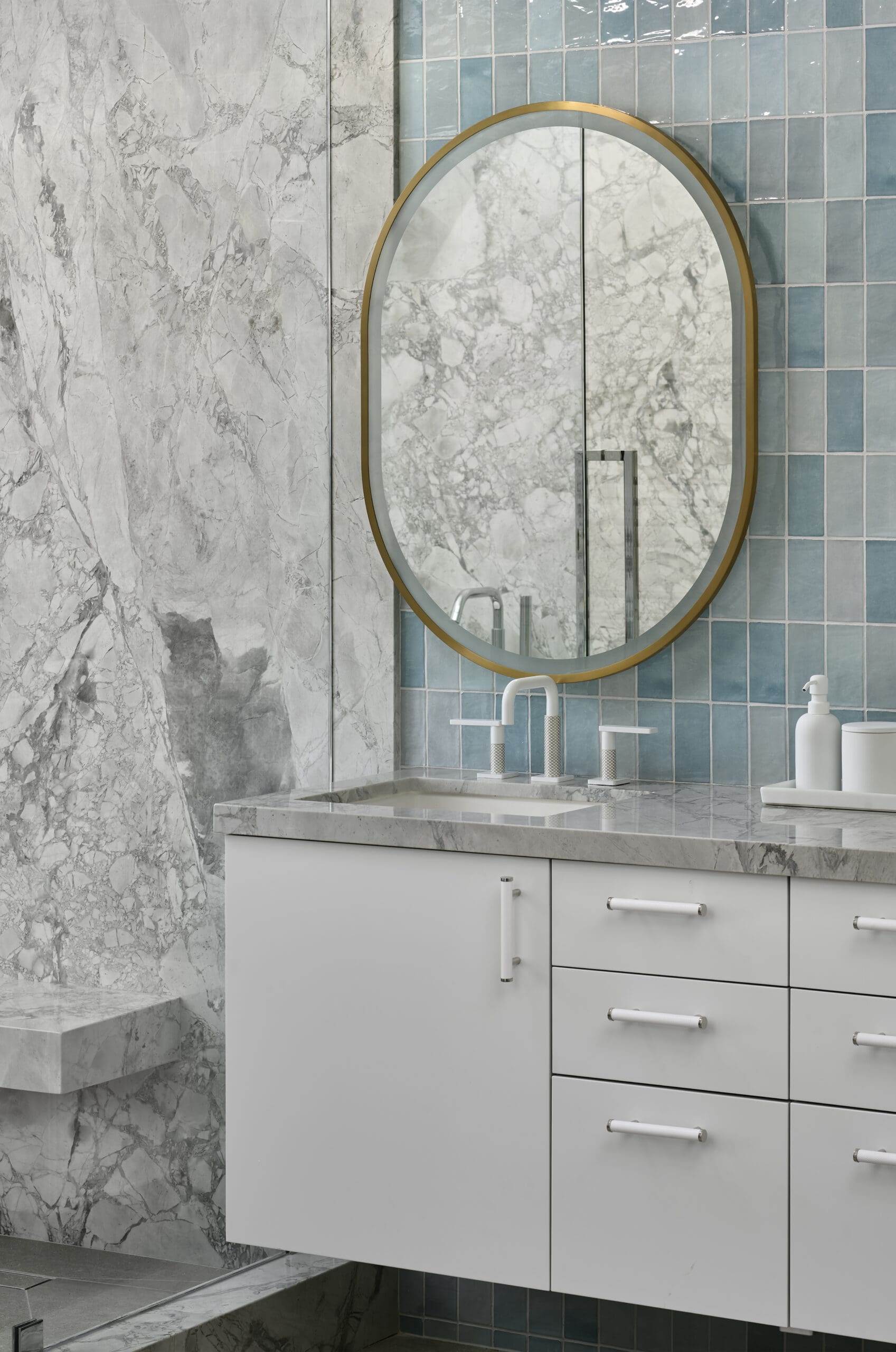
Material Moves: Inside Jeffrey Florentine’s Collaboration With Antolini Stone Some collaborations happen because of timing. Others happen because of shared philosophy. The partnership between Jeffrey Florentine of JSF Design and Antolini Stone feels very much like the latter — a collaboration rooted in a mutual belief that materials should shape architecture, not simply finish it. […]

Elevate Your Space
Let’s Bring Your Vision to Life
Design Goes Beyond Aesthetics...
It Shapes Experience.

I would like to express some appreciation to you for rescuing me from this type of dilemma. Just after browsing through the world wide web and finding suggestions which are not powerful, I assumed my life was gone. Being alive minus the strategies to the issues you have resolved as a result of the review is a serious case, and the kind which might have in a negative way affected my entire career if I had not discovered your blog post. Your actual natural talent and kindness in touching everything was vital. I’m not sure what I would have done if I had not come across such a subject like this. I can at this point look ahead to my future. Thanks so much for your specialized and results-oriented guide. I won’t hesitate to suggest your web page to any person who needs to have counselling about this problem.