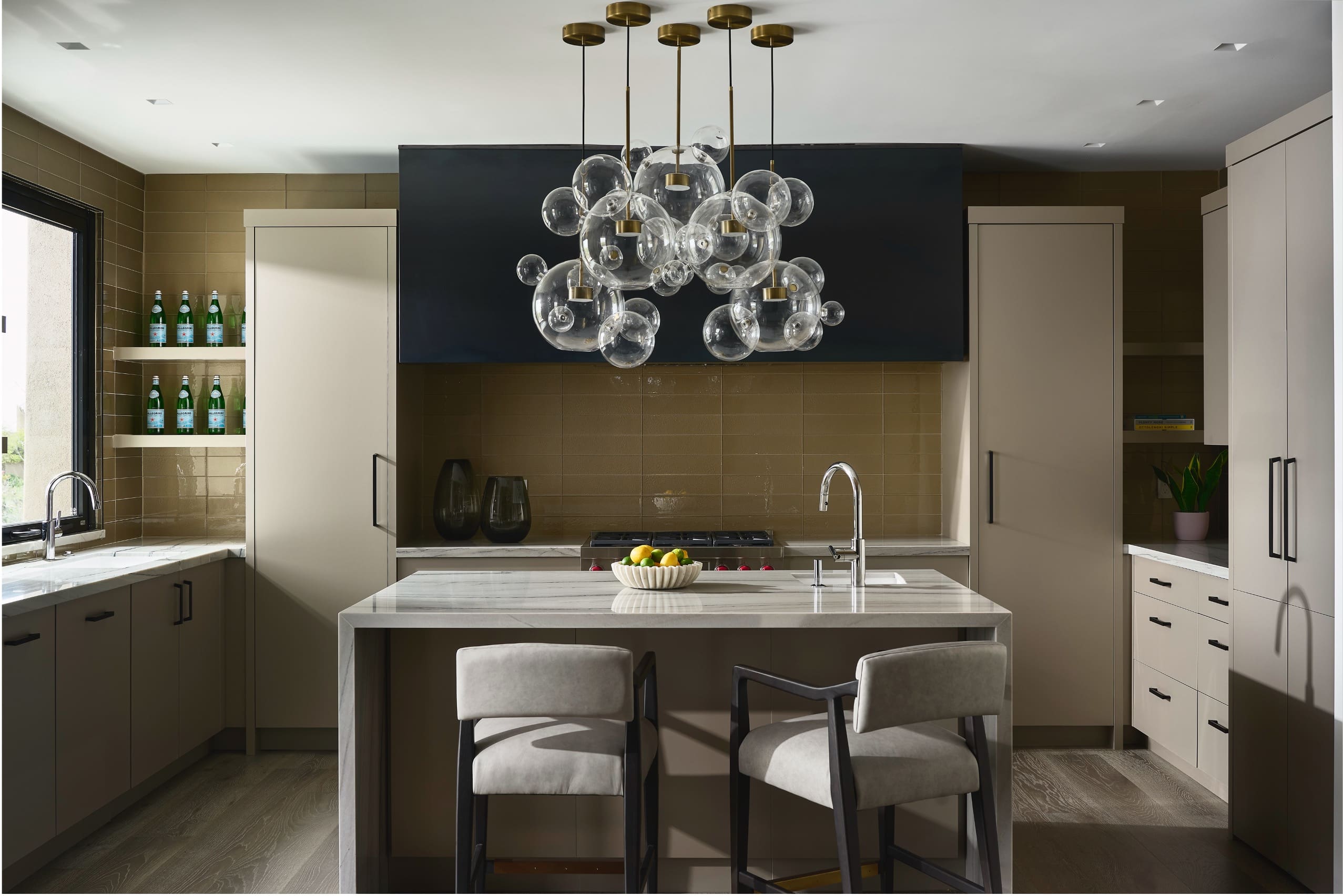
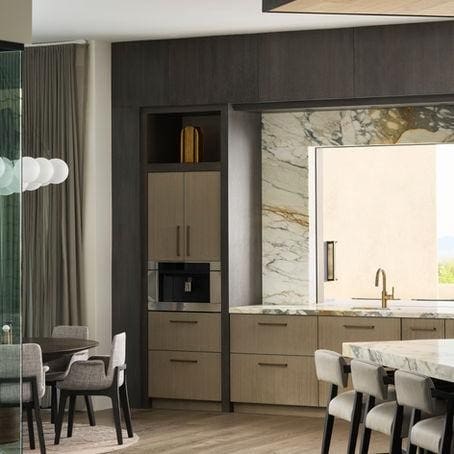
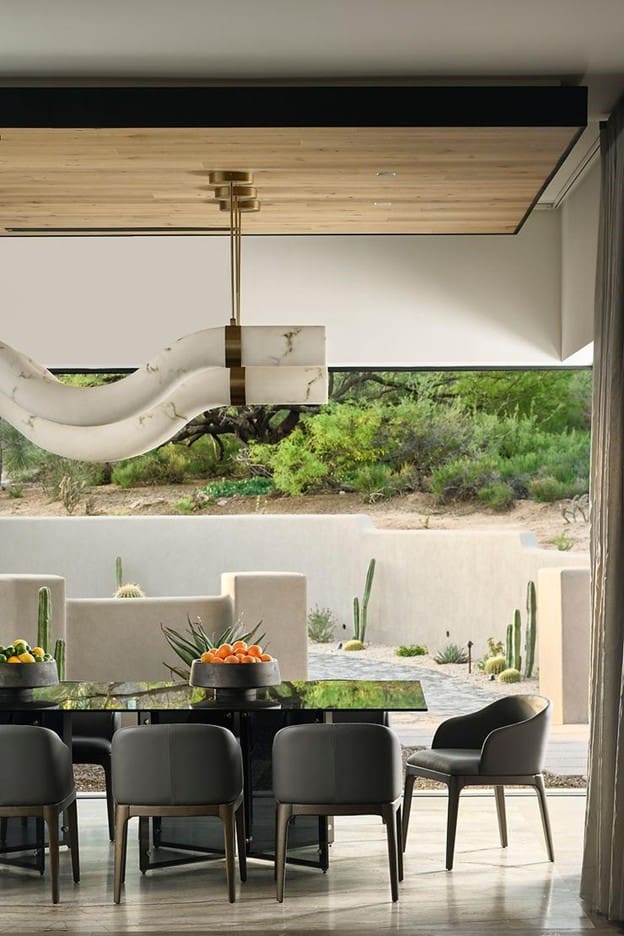
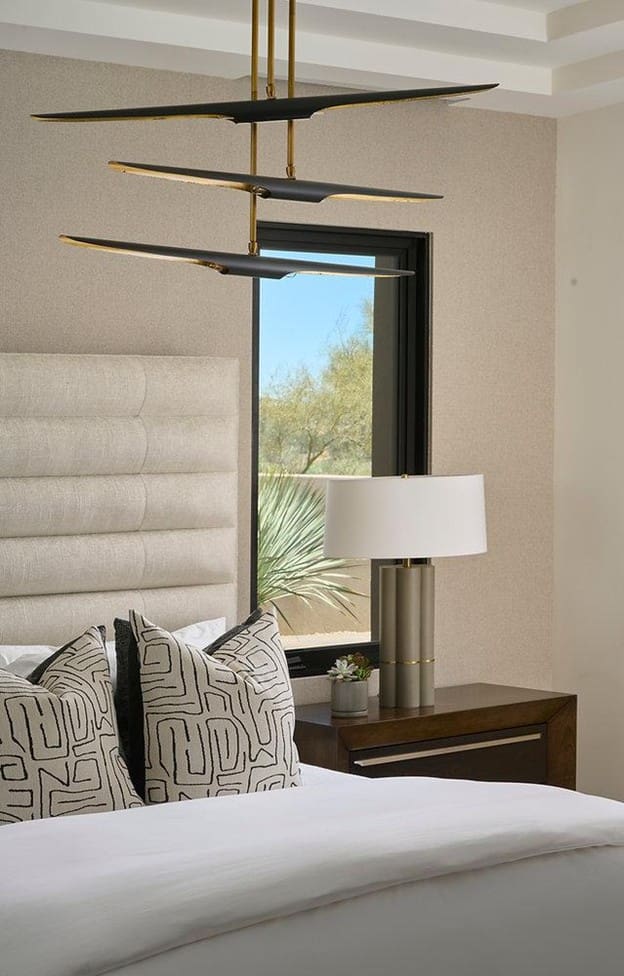
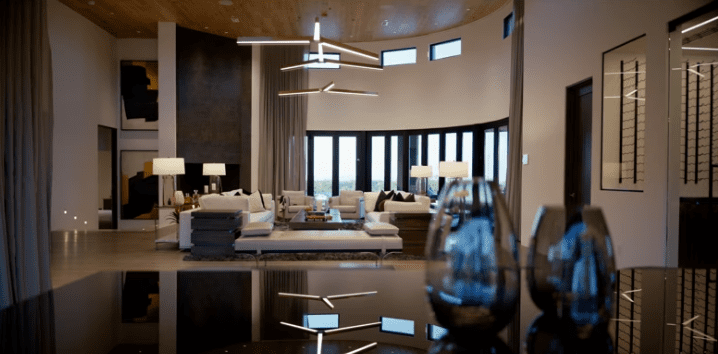
Scottsdale’s custom homes demand more than ordinary design choices. The desert landscape, the architecture, and the lifestyle of this Arizona city create a unique canvas that calls for living room decor ideas that are both visually striking and deeply intentional. Getting this right requires more than a passing familiarity with trends; it requires a sophisticated understanding of how space, light, and material interact in environments shaped by both luxury and the natural world.
Whether you are working with a newly built custom home or reimagining an existing space, the decisions you make in your living room will define the character of the entire property. This curated list cuts through the noise and delivers actionable, design-forward concepts tailored specifically to the Scottsdale aesthetic. From material selection and color theory to furniture arrangement and statement lighting, each idea on this list is chosen with the advanced homeowner or design professional in mind. Expect no filler, no generic advice, just a focused, expert-level resource to help you create a living room that is as refined as the home surrounding it.
In high-end residential design, the ceiling is the most architecturally consequential surface in a living room, yet it remains the most consistently underdeveloped. Coffered details, exposed beam profiles, and deliberately resolved flat planes establish a room’s proportions, scale, and visual weight before a single piece of furniture is selected or placed. The ceiling defines spatial hierarchy from the top down. Getting it right early in the process is not a finishing detail; it is a foundational design decision.
In Arizona’s larger custom homes, particularly across Paradise Valley and Desert Mountain, ceiling heights frequently reach 14 to 18 feet in primary living spaces. That volume is an asset, but only when it is intentionally designed. Without considered profiling, generous ceiling heights can produce spaces that feel cavernous rather than composed. Box beams, coved transitions, and coffered grids bring scale and intimacy back to oversized volumes, creating rooms that feel both expansive and grounded. These interventions also support layered lighting strategies that flat ceilings simply cannot accommodate.
Critically, ceiling design decisions cannot be resolved during the finish phase of a project. They must be fully documented during construction drawings through detailed reflected ceiling plans that coordinate with structural elements, HVAC routing, fire suppression systems, and fixture placement. Deferring these decisions introduces costly field conflicts and compromises the integrity of the final result. JSF Design’s specification-driven process addresses ceiling design at the documentation stage, ensuring that the builder, architect, and trades are aligned before work begins.
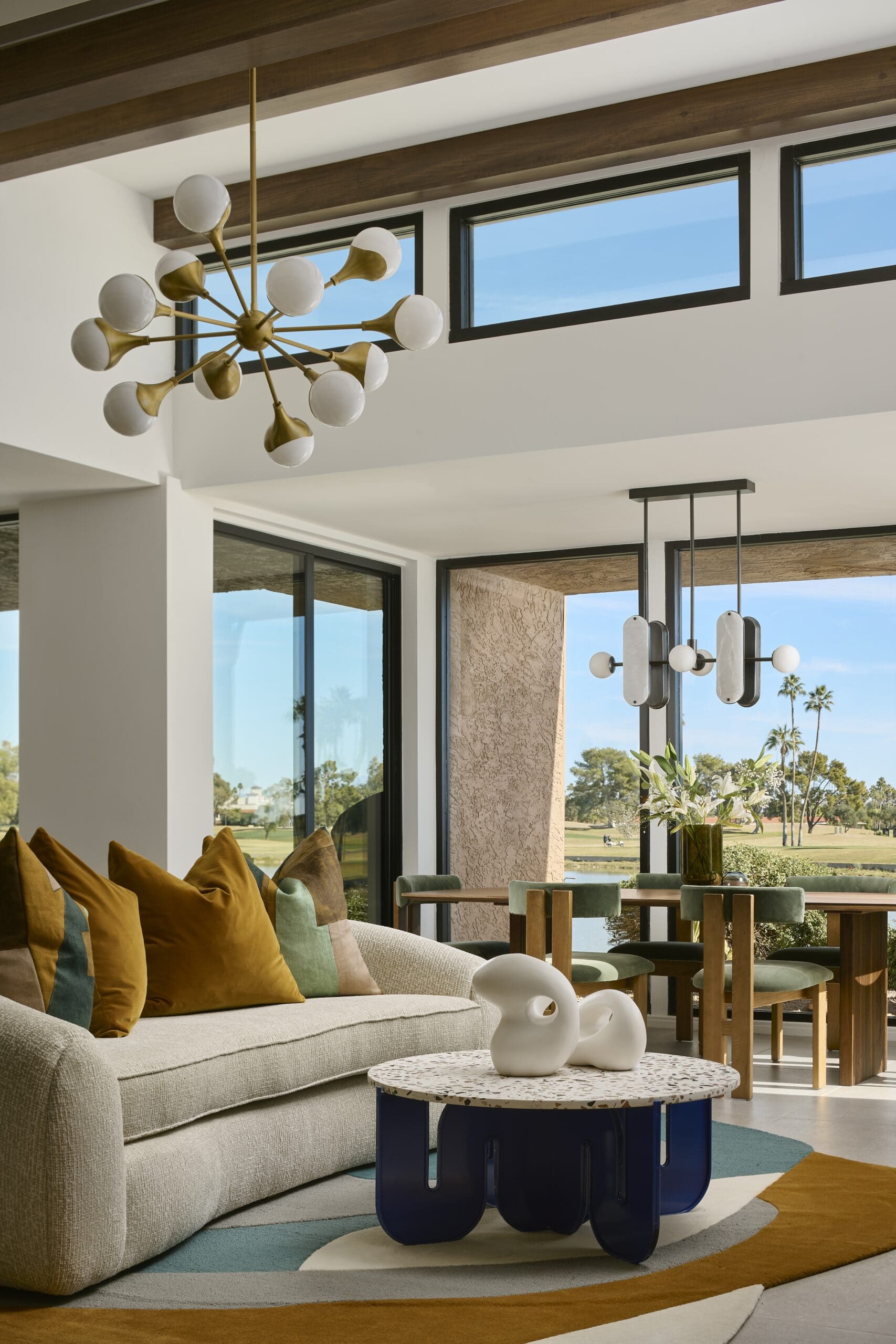
The relationship between ceiling profile and window head height is among the most consequential proportion decisions in any living room. When window heads align with ceiling transitions, beam soffits, or cove details, the result is a continuous horizontal line that reinforces scale and amplifies natural light. Misalignment between these two planes disrupts visual flow in ways that no furnishing selection can correct. This single coordination decision shapes how the room reads from every seated position, and it requires iterative resolution across architectural and interior documentation well before framing is complete.
An undersized rug is one of the most consequential specification errors in a high-end living room, and it rarely reads as a minor oversight. When the rug fails to command the room, the entire seating arrangement loses its spatial logic, and the architectural investment in the space works against itself. As interior designers consistently note, a rug that is too small forces furniture inward, creates a perception of wasted perimeter space, and fragments what should be a unified composition.
Correct scale is not simply a function of furniture footprint. In rooms with significant ceiling height, expansive glazing, or generous square footage, the rug must respond to the architectural volume of the space itself. In large-format living rooms common to Desert Mountain and Paradise Valley estates, standard dimensions of 9×12 feet frequently fall short. Custom sizing is not a luxury add-on in these contexts; it is the technically correct solution. A rug sized to a 12×15 or larger format, with 12 to 18 inches of finished floor visible at the perimeter, resolves the scale relationship between furnishings and architecture with far more precision than any off-the-shelf alternative.
Material specification deserves equal attention. Pile height, fiber content, and construction weight must be determined alongside the furniture plan, not sourced as a finishing step. A hand-knotted wool in a medium pile anchors stationary seating with appropriate visual mass and tactile depth, while a performance-fiber flat weave suits zones where furniture moves or traffic is heavier. As Emily Henderson has documented extensively, even well-chosen rugs fail when their scale and specification are treated as secondary decisions. In a fully resolved interior, the rug is specified on the same sheet as the seating, with dimensions, fiber, and construction detail confirmed before a single purchase order is issued.
The difference between a curated room and a decorated one comes down to where visual authority actually lives. In a curated space, depth and character are embedded in the architecture and finishes themselves; texture, tone, grain, and patina carry the room without relying on objects layered on top. In a decorated room, the materials are often treated as a neutral backdrop, and the accessories are asked to do all the heavy lifting. The result is a space that feels assembled rather than resolved.
Material hierarchy should be established at the earliest stage of design, not addressed after the floor plan is finalized and the furniture is selected. Stone, wood, plaster, and metal each bring a fundamentally different visual weight and tactile quality, and their relationship to one another determines the room’s character before a single piece of upholstery is introduced. In desert luxury environments across Paradise Valley and Scottsdale, this often means a quartzite or limestone floor anchoring the space, textured plaster walls absorbing warm light, and a bronze or blackened steel detail providing deliberate contrast.
Restraint in the palette is what creates authority. A disciplined selection of two to three primary materials, paired with intentional contrast between surface qualities, reads with far more sophistication than an accumulation of finishes competing for attention. Light oak against honed concrete, or walnut millwork set against a matte plaster wall, generates the kind of tension that holds a room together visually.
At JSF Design, material selection is treated as a structural decision embedded in the specification process from the outset. Finish selections are documented and detailed early in schematic development, ensuring every material relationship is resolved before construction begins and the design vision is executed with full precision.
Lighting is one of the few design decisions that cannot be resolved after the fact without significant consequence. Ambient, task, and accent layers must be mapped and coordinated during construction documentation, well before furniture placement is finalized or finish selections are locked. Treating lighting as a furniture-phase decision consistently results in compromised fixture positioning, inadequate switching zones, and costly retrofit work that can damage completed finishes.
Each layer carries distinct structural implications. Ambient sources, whether recessed LEDs, cove details, or surface-mounted fixtures, require specific ceiling treatments that must be resolved in the reflected ceiling plan. Task sources need precisely located outlets and conduit runs. Accent fixtures, used to graze stone, plaster, or millwork, demand careful positioning relative to wall planes and material transitions. When these decisions are deferred, the architecture and the lighting end up working against each other rather than in concert.
Arizona’s light environment adds an additional layer of complexity. The intensity of the Sonoran sun means that living rooms in Paradise Valley and Desert Mountain are often flooded with high-contrast natural light during the day, then shift dramatically after sunset. Without a deliberate layered lighting strategy, that evening environment can feel flat or harsh regardless of how refined the material palette is. Warm, high-CRI LED sources with full dimming capability are essential to bridging that transition convincingly.
Fixture selection and placement should be fully resolved in coordination with the architect and electrical contractor before drywall closes. This is where JSF Design’s documentation-driven process provides measurable value; detailed lighting plans eliminate ambiguity during rough-in and give every trade a shared reference. Understanding how the three layers of lighting function together is the foundation for making those decisions with precision and intent.
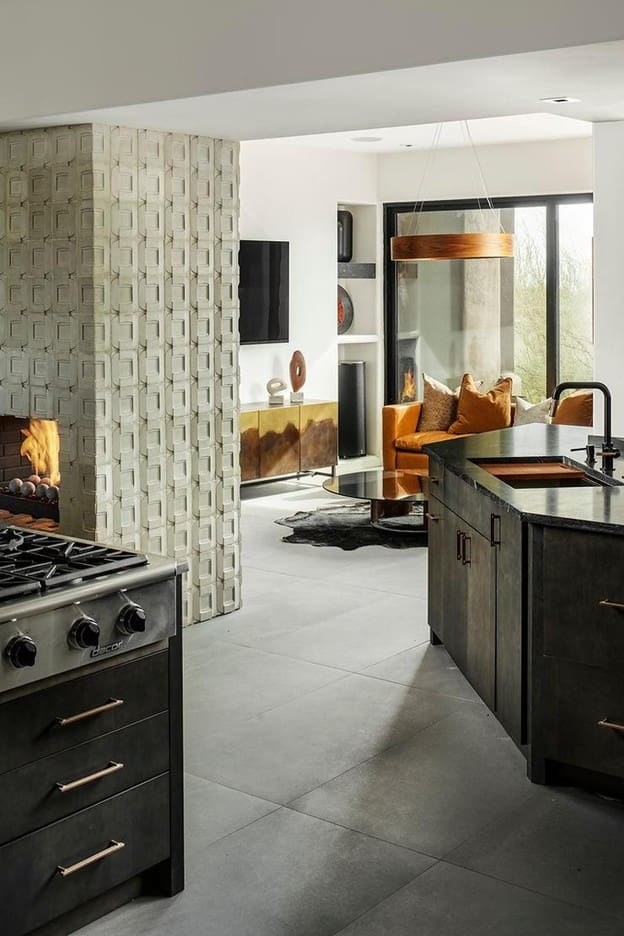
In Arizona luxury homes, particularly across Paradise Valley and the Desert Mountain corridor, the fireplace surround draws more scrutiny than almost any other living room detail. It occupies the visual center of the room, it anchors the seating arrangement, and it sets the material standard for everything surrounding it. When it reads as an afterthought, the entire composition suffers.
The most consequential distinction in surround design is whether it functions as an integrated architectural element or as something decorative applied to the wall. A surround that terminates at mantel height, relies on applied trim, or fails to relate proportionally to the full wall plane will always read as furniture rather than architecture. The alternative, a floor-to-ceiling composition where the material extends continuously and the firebox opening is proportionally resolved within the full wall height, reads as structure. That difference in perception is significant in a high-end residential context.
Material selection, slab thickness, and the compositional relationship between firebox and wall determine which outcome is achievable. Large-format quartzite, limestone, or book-matched porcelain introduced at full height can create the kind of monolithic presence that luxury Arizona homes consistently prioritize. Thinner applications or framed surrounds rarely achieve the same result regardless of material quality.
Specification precision is non-negotiable at this level. Stone fabrication tolerances, substrate preparation, thermal expansion considerations, and hearth detailing must be fully documented before the mason or tile setter begins work. Ambiguity in these documents produces inconsistent results. Clear construction drawings and material specifications protect the design intent through execution, which is precisely where most Arizona design projects either hold together or begin to unravel.
Soft furnishings can introduce comfort and visual warmth, but they cannot restructure the bones of a room. Curved plaster niches, arched openings, and rounded millwork profiles deliver an organic relief that no amount of upholstered furniture can replicate, because these elements are woven into the architecture itself. A living room with arched built-ins flanking a fireplace or a curved plaster niche integrated into a feature wall carries an inherent fluidity that reads as intentional from every angle, regardless of how the furniture is arranged.
When warmth is sourced entirely from textiles, rugs, and soft seating, the result is a room that feels styled rather than resolved. The architecture remains a hard shell, and the furnishings become compensatory rather than complementary. This distinction matters significantly in high-end residential work, where discerning clients and buyers can sense the difference between a space that was designed from the inside out and one that was decorated after the fact.
Executing these details correctly requires early commitment. Radiused corners, arched openings, and custom curved millwork profiles affect framing, drywall, plaster application, and mechanical routing. Without precise documentation, including detailed elevations, radii callouts, and material specifications, these elements are frequently value-engineered out or poorly executed in the field. In custom homes across Paradise Valley and Desert Mountain, the most resolved outcomes occur when the interior designer and architect are coordinating drawings together from the schematic phase, ensuring that architectural softness is built into the project structure before a single wall is framed.
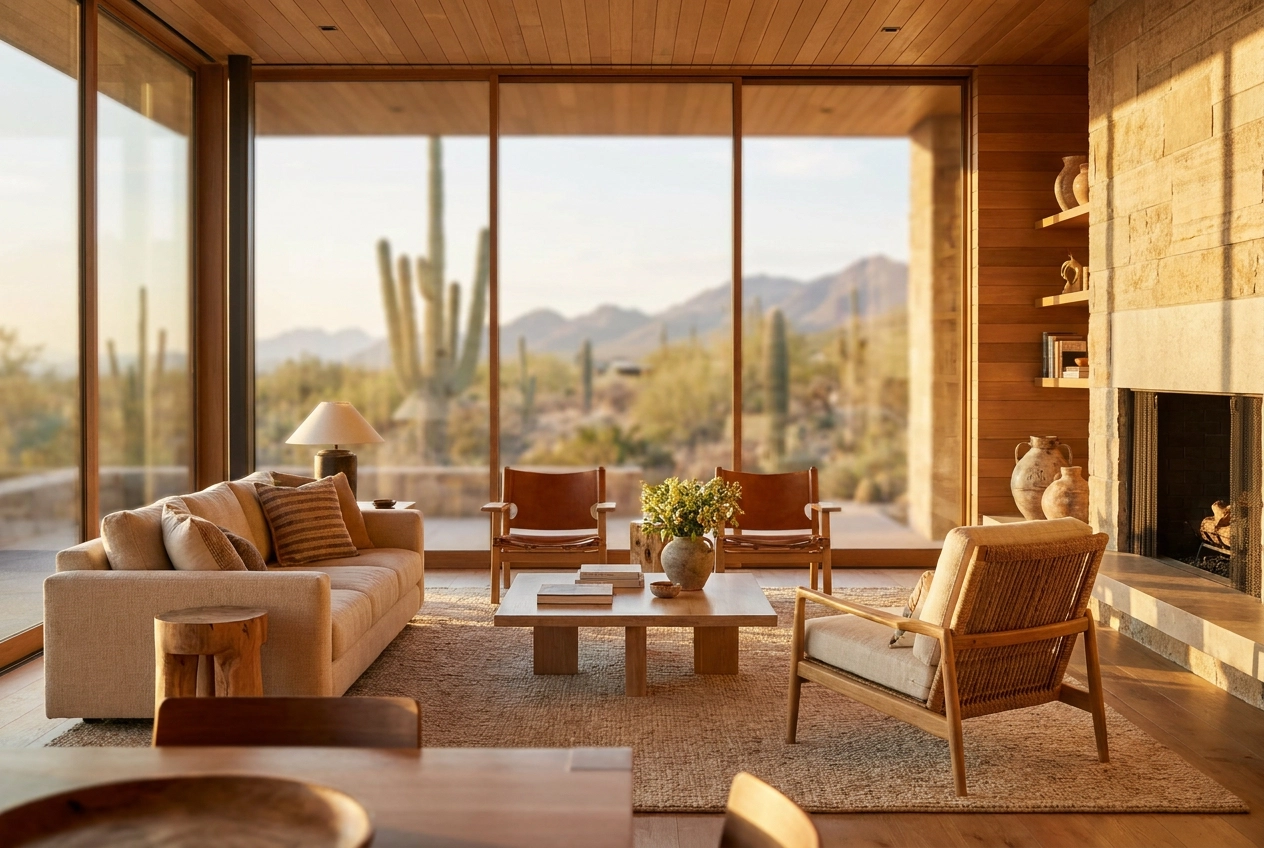
In Paradise Valley and Desert Mountain, the desert terrain is not a backdrop. It is a primary compositional element, and every decision made in the living room should be measured against it. Camelback Mountain, the McDowell range, and the layered desert floor carry substantial visual weight. When a living room is designed without accounting for these sightlines, the resulting furniture layout often fights the view rather than reinforcing it.
Window and door placement determines far more than light admission. The position and height of glazing systems define the room’s dominant focal point, establish its sense of balance, and dictate where seating can be logically oriented. Thin-profile pocketing door systems with minimal floor tracks allow the interior to read as a continuous plane that extends outward. Clerestory placement and recessed shade pockets manage solar gain without sacrificing the view, a critical coordination point in the Arizona climate.
Threshold resolution must happen in the construction documents, not during installation. Matching interior and exterior flooring materials at a consistent plane, specifying zero-sill door systems, and aligning ceiling lines across the threshold are details that cannot be retrofitted. When these transitions are left unresolved during design development, the result is a seam that reads as a missed opportunity rather than a resolved composition.
The consequence of deferring this work is direct: furniture arrangements default to room center, sightlines get blocked by case goods or structural columns, and the landscape is reduced to something glimpsed rather than inhabited.
In any well-resolved living room, one element carries disproportionate visual weight. It sets the proportional logic for every subsequent decision, from seating depth and rug dimension to light fixture scale and circulation clearance. This anchoring piece is not chosen for its aesthetic impact alone; it earns its position by establishing the spatial framework the room will be organized around.
The critical distinction is that this decision must be made in direct reference to the room’s architecture, not in isolation at a showroom or vendor gallery. Ceiling height, structural bay widths, window placement, and the overall volume of the space are not variables that can be accounted for after the fact. A custom sectional that reads appropriately on a floor plan can feel compressed beneath a 10-foot ceiling or adrift within a 14-foot volume. Those misjudgments are difficult and expensive to correct post-installation, particularly when the piece is custom fabricated. Early mockups, scaled drawings, and on-site dimension verification are non-negotiable steps in large-format rooms.
There is also a practical scheduling dimension that often drives the sequencing of the entire project. Custom sofas, oversized pendants, and significant furniture commissions routinely carry lead times of 12 to 20 weeks or longer. Identifying the anchoring piece early is not simply a design priority; it becomes the procurement milestone that all other timelines align to. Delaying this decision compresses the schedule and forces reactive choices downstream.
Material temperature is one of the most technically nuanced variables in finish specification, and it is consistently underestimated until the project is complete. Warm stone, blonde wood, cool concrete, and blackened steel each carry distinct undertones that shift perceptibly depending on light source and intensity. Under Arizona’s high-UV, high-angle daylight, cool materials intensify and warm tones can appear washed or muted. By evening, under 2700K artificial sources, those same warm woods and honed limestones reassert their richness while cool metals and concrete read as starkly contrasted. A finish palette assembled in a showroom, under controlled fluorescent conditions, may appear resolved in that context and genuinely dissonant once installed.
This misalignment is not a styling problem; it is a specification problem. It originates earlier in the process, when materials are reviewed independently rather than collectively, and without accounting for the actual light environment of the space. At JSF Design, reviewing material samples together under both natural daylight and artificial evening lighting conditions is a standard step before any finish schedule is finalized. Full sample boards are assessed in the actual space when possible, or under calibrated conditions that replicate the project’s lighting design.
The consequence is amplified in open-plan living rooms, where finishes from the kitchen, entry, and dining areas are visible in a single sightline. A warm-toned living room floor paired with a cool-gray kitchen stone can read as two unrelated spaces sharing a footprint. Coordinating finish temperatures across that continuous plane is not an aesthetic preference; it is a foundational spatial decision that shapes how the entire home reads at scale.
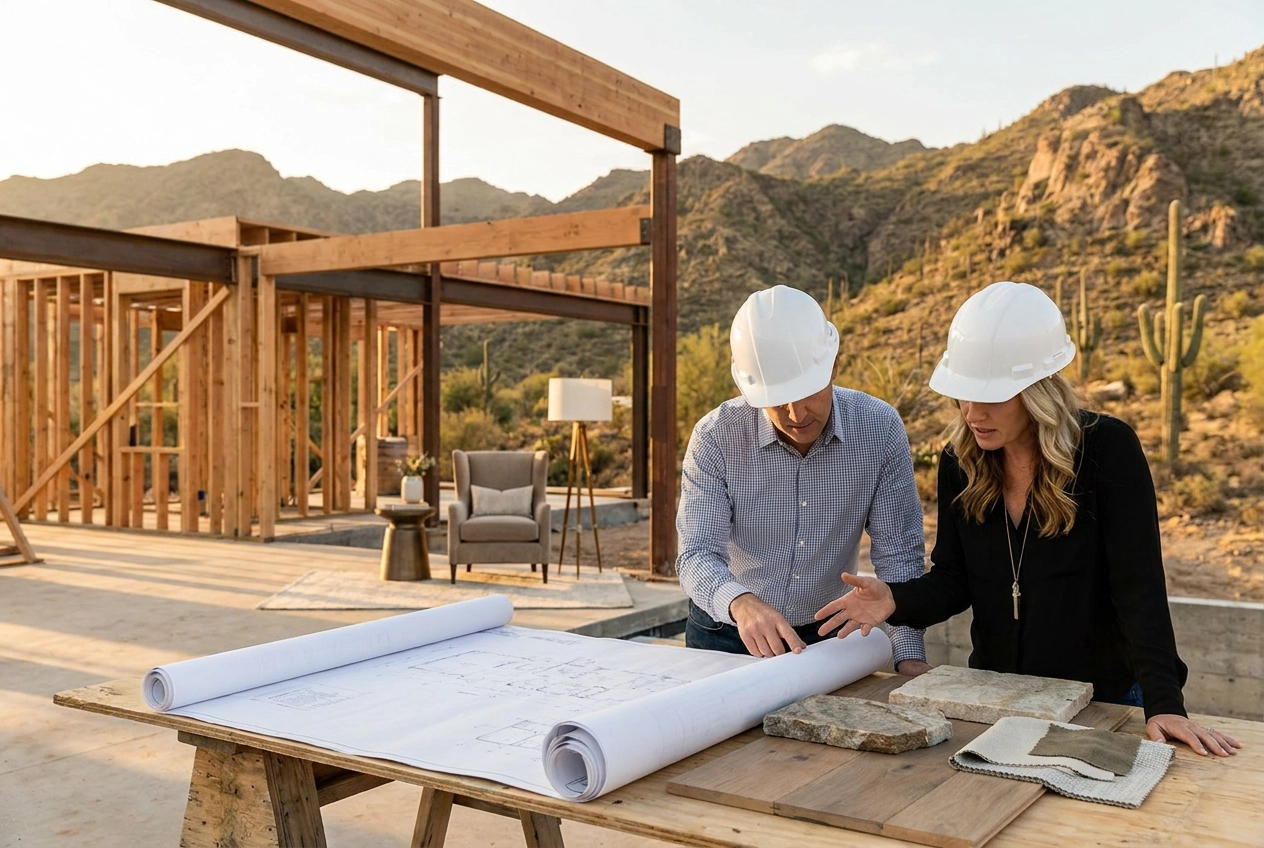
A living room can be conceived with complete clarity and still be built incorrectly. The vision for a fireplace wall with integrated millwork, precise stone coursing, sconce placement tied to electrical rough-in, and layered lighting across three circuits means nothing if the carpenter, electrician, and finish plasterer are each working from incomplete or inconsistent documents. The specification book and construction drawings are not administrative formalities; they are the instruments through which design intent survives contact with the construction process.
In custom homes where multiple contractors work across overlapping phases, ambiguity in the documents is where the gap between the intended room and the built room originates. Vague finish callouts, missing hardware specifications, or elevation drawings that omit critical dimensions allow substitutions and interpretations that compound across trades. By the time the living room is assembled, the cumulative effect of those gaps is visible in misaligned proportions, incorrect material temperatures, or details that simply do not resolve.
JSF Design’s process addresses this directly. Every project is supported by specification books and construction drawings detailed enough to minimize interpretation at the trade level, protecting design decisions from concept through final installation. Floor plans, interior elevations, finish schedules, and product specifications communicate the full scope of the design with precision.
For developers and spec builders, this level of documentation carries measurable financial value. Clear, unambiguous drawings accelerate contractor bidding and reduce the change orders that consistently represent some of the most significant cost exposure on large residential projects.
Every resolved living room begins long before a single finish is selected. In Scottsdale and Paradise Valley’s most considered custom homes, the quality of the final space traces directly back to decisions made at the drawing stage, documented with precision, and protected through consistent oversight during construction. Material selection, spatial planning, lighting design, and architectural detailing do not operate independently. They function as a system, each decision informing and constraining the next. When those relationships are understood from the outset, the result is a room that feels resolved rather than assembled.
This is the distinction between interior design and interior decorating. One shapes the architecture. The other responds to it after the fact.
Homeowners undertaking new builds or significant remodels across the Phoenix area deserve a process that reflects this level of intentionality. The investment warrants it. The architecture demands it. JSF Design works with clients who understand that rigor in process produces clarity in outcome. If you are planning a project and want a design process as disciplined as the result you have in mind, we welcome that conversation.
Designing a living room worthy of Scottsdale’s custom home landscape comes down to a few core principles. First, let the desert environment guide your material and color choices rather than fight against them. Second, prioritize intentional lighting that honors both natural desert light and architectural detail. Third, select furniture and finishes that balance luxury with livability, because a beautiful room must also function as a genuine living space.
These are not casual decisions. Every choice compounds, shaping how residents and guests experience the home from the moment they walk in.
If you are ready to elevate your living room beyond the ordinary, start by revisiting the ideas in this guide and identifying the two or three concepts that align most with your vision. Then commit. Great design in Scottsdale does not happen by accident; it happens by intention.
BEST THE EDIT
of
Material Moves: Inside Jeffrey Florentine’s Collaboration With Antolini Stone Some collaborations happen because of timing. Others happen because of shared philosophy. The partnership between Jeffrey Florentine of JSF Design and Antolini Stone feels very much like the latter — a collaboration rooted in a mutual belief that materials should shape architecture, not simply finish it. […]
Elevate Your Space
Design Goes Beyond Aesthetics...
It Shapes Experience.
+ Show / Hide Comments
Share to: